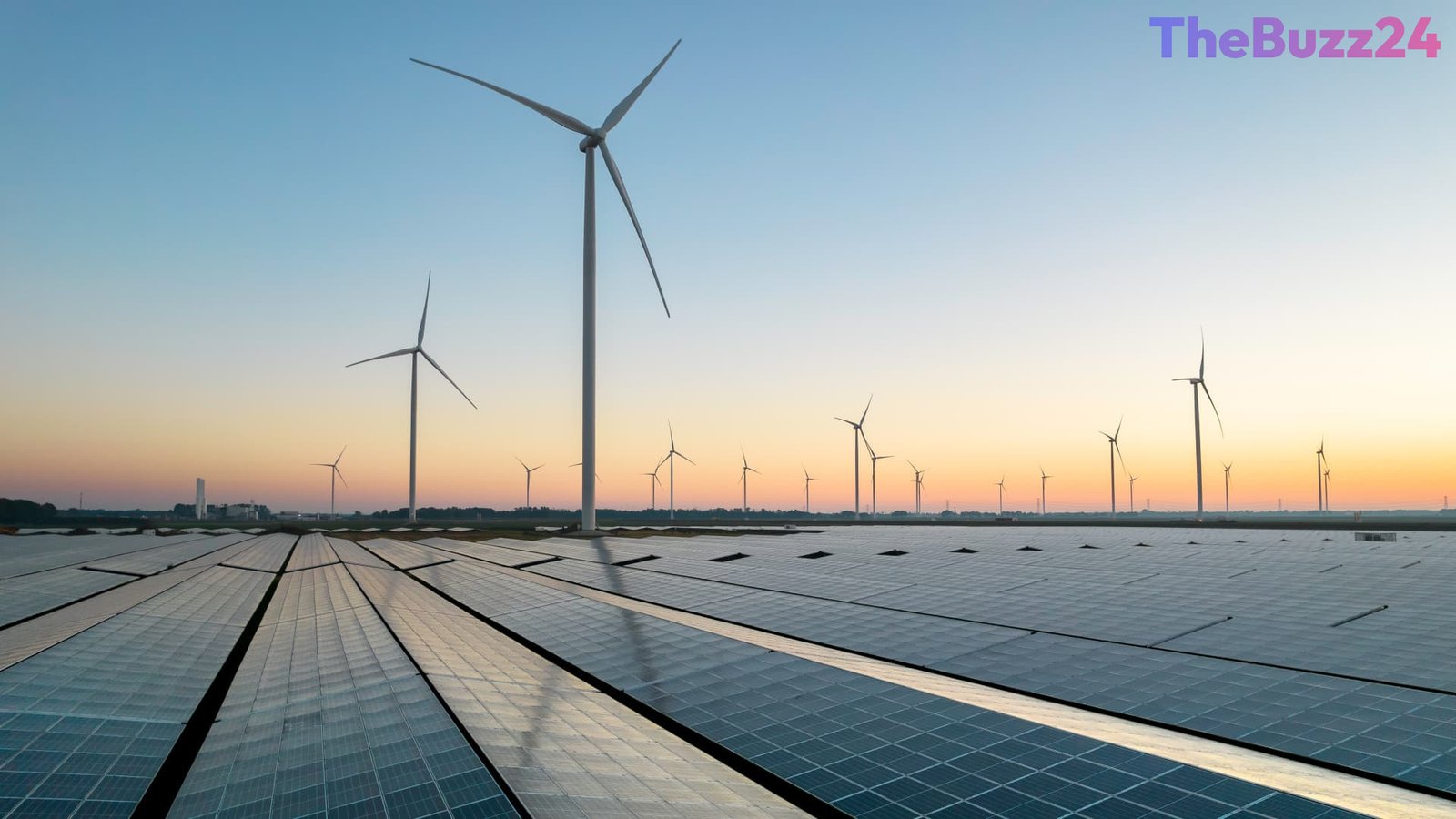
Clean Energy Sector Poised for Growth as Political Landscape Shifts and AI Demands Rise
The recent midterm elections have ushered in a new era of optimism for the renewable energy sector, signaling a potential reduction in political interference that previously hindered its growth. Following a period where environmental regulations were curtailed, clean energy subsidies and tax credits eliminated, and fossil fuels promoted, the shift in congressional control has been widely interpreted by financial markets as a protective measure for long-term investments in wind, solar, and battery storage.
Immediately after the election results, clean energy and solar stocks experienced a rally, reflecting investor confidence that the risk of further political headwinds had diminished. Analysts suggest this new political alignment provides greater stability for the economic viability of U.S. renewable energy projects. This positive sentiment aligns with a broader trend among impact investors, who continue to channel significant capital into clean energy infrastructure and innovative clean technologies, recognizing the dual benefits of financial returns and positive environmental impact.
Underlying this renewed optimism are fundamental drivers for clean energy expansion. The nation faces growing electricity demand, partly fueled by the proliferation of data centers, alongside an aging grid infrastructure and an increasing need for energy storage solutions. Geopolitical factors influencing energy security and rising energy costs further underscore the urgency for sustainable alternatives. Projections indicate substantial growth, with the U.S. on track to add a record 89 gigawatts (GW) of clean energy capacity by the end of 2026, with installations expected to exceed this level in 2027. Investment figures are equally robust, with clean energy and transportation attracting $75 billion in the second quarter of 2026 alone, marking a significant quarterly increase.
However, the rapid expansion of AI data centers presents a complex dynamic. While these facilities contribute to increased electricity demand, they have also sparked local opposition across several states, leading to initiatives that restrict new construction or impose energy consumption limits. Despite these localized challenges, major technology firms like OpenAI and Goldman Sachs anticipate their long-term expansion plans will remain largely unaffected. Paradoxically, the sustainability concerns surrounding AI’s energy footprint are motivating clients and investors to ensure that this surging electricity demand is met by renewable sources, potentially accelerating investments in grid upgrades, emissions-free power generation, and energy-efficiency technologies. Climate-tech venture capital funding has seen a significant surge, reaching $26 billion in the first half of 2026, highlighting a rich environment for innovation in the sector.
Key Takeaways
- Recent midterm elections have improved the outlook for renewable energy investments by reducing perceived political interference and fostering market confidence.
- Despite past regulatory challenges, significant capital continues to flow into clean energy, with record capacity additions and manufacturing expansion projected for the coming years.
- The surge in AI data centers, while creating localized opposition, is paradoxically driving increased demand for renewable energy solutions and accelerating climate-tech innovation and investment.
Editor’s Analysis & Impact
The recent political shift post-midterms marks a critical inflection point for the clean energy sector. The perceived reduction in political risk, coupled with sustained investor interest, creates a more stable environment for long-term growth. The burgeoning demand from energy-intensive industries like AI data centers, while presenting immediate infrastructure challenges, also serves as a powerful catalyst for renewable energy adoption. This dynamic is likely to accelerate investment in grid modernization, energy storage, and advanced clean technologies. The future outlook suggests continued robust growth for renewables, driven by both policy tailwinds and fundamental market demand, positioning the sector as a cornerstone of the evolving global economy. However, navigating local opposition to large-scale energy projects, including data centers, will be a key challenge requiring innovative community engagement and distributed energy solutions.
Frequently Asked Questions
Q: How did the recent midterm elections impact the renewable energy sector?
A: The midterm elections, which resulted in a shift in congressional control, are widely seen as reducing the risk of political interference in renewable energy. This has bolstered investor confidence, leading to a rally in clean energy stocks and a more optimistic outlook for long-term investments in wind, solar, and battery storage projects.
Q: What role do AI data centers play in the future of clean energy?
A: AI data centers are significantly increasing electricity demand, creating both challenges and opportunities for the clean energy sector. While their energy consumption can lead to local opposition, it also reinforces the need for more renewable energy sources. This demand is expected to drive further investment in clean energy generation, grid infrastructure upgrades, and energy-efficient technologies.
Q: Is investment in renewable energy still strong despite political shifts?
A: Yes, investment in renewable energy remains robust. Despite past regulatory changes, significant capital continues to flow into the sector from public and private funders, including impact investors. Record clean energy capacity additions are projected, and climate-tech venture capital funding is experiencing substantial growth, indicating strong and sustained investor interest.
AI Disclosure: This article is based on verified data and official reports. Our Team and AI have cross-referenced every financial detail with primary sources to ensure total accuracy.
More from this Category