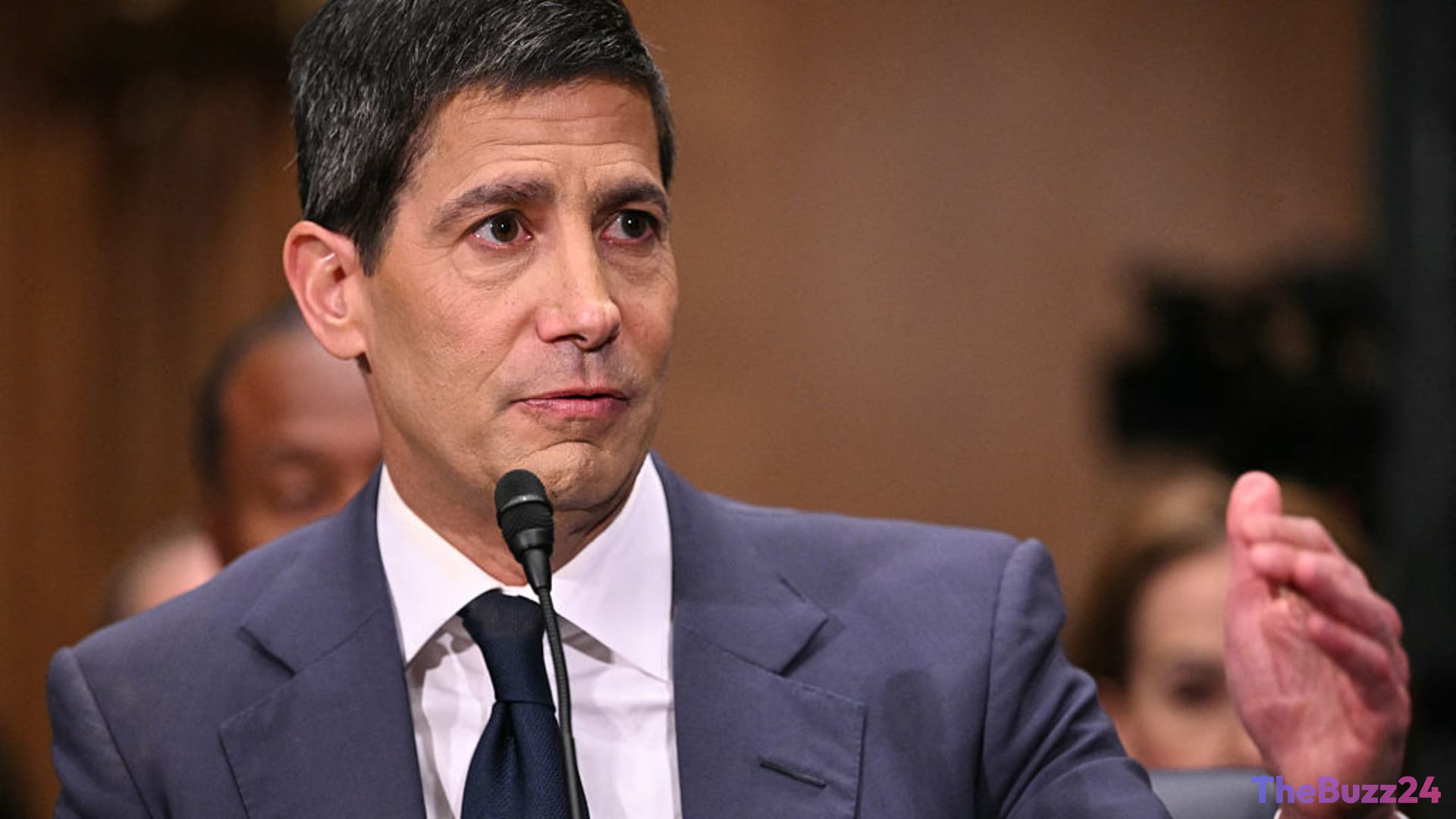
Fed Chair Nominee Kevin Warsh Challenges Boundaries of Central Bank Independence
Kevin Warsh, the nominee for Federal Reserve Chair, has signaled a potential shift in how the central bank manages international financial policy. In written responses to Senate Democrats, Warsh suggested that the Federal Reserve’s traditional independence, which is paramount when setting monetary policy and interest rates, does not necessarily extend to broader international financial matters. This distinction comes amid growing scrutiny regarding the Fed’s authority to establish currency swap lines with foreign nations.
The discussion surrounding swap lines has gained urgency following reports that the United Arab Emirates and other nations in the Persian Gulf and Asia have sought such arrangements with the United States. While the Federal Reserve historically views these lines as tools to ensure market liquidity during crises, Warsh indicated that in matters of international finance, the Fed should work in closer coordination with the Administration and Congress rather than operating in a vacuum of total autonomy.
Beyond policy, Warsh addressed several personal and institutional controversies during the confirmation process. He explicitly denied any personal connection to the late sex offender Jeffrey Epstein, clarifying that while he was present on St. Barts in 2010, he never attended any events associated with Epstein or Ghislaine Maxwell. Additionally, Warsh expressed his commitment to supporting the Federal Reserve’s inspector general, particularly regarding ongoing investigations into the agency’s internal operations and building renovation costs.
As the Senate Banking Committee moves to advance his nomination, Warsh’s responses provide a clearer picture of his governance philosophy. By emphasizing a collaborative approach to international financial diplomacy and a commitment to institutional oversight, he is positioning his potential tenure as one that balances the Fed’s technical independence with greater accountability to elected officials.
Key Takeaways
- Kevin Warsh argues that Fed independence is strongest in monetary policy but should be more collaborative regarding international financial issues.
- The nominee denied any association with Jeffrey Epstein, addressing concerns raised by Senate Democrats.
- Warsh pledged to support the Federal Reserve's inspector general in resolving ongoing investigations into agency spending.
Editor’s Analysis & Impact
Kevin Warsh’s testimony marks a significant pivot in the discourse surrounding the Federal Reserve’s role in global geopolitics. By suggesting that the Fed should align more closely with the Treasury and Congress on international swap lines, Warsh is effectively signaling a move toward a more integrated U.S. economic policy. This could reduce the ‘ivory tower’ perception of the Fed but may also invite political pressure on a traditionally insulated institution. If confirmed, his approach could lead to more frequent use of swap lines as a tool of economic statecraft rather than purely as a liquidity backstop. Investors should watch for how this shift impacts the dollar’s global standing and whether it creates friction between the Fed and the executive branch during future international economic crises.
Frequently Asked Questions
Q: What are Federal Reserve swap lines?
A: Swap lines are agreements between central banks that allow them to exchange currencies, ensuring that foreign markets have access to U.S. dollars during periods of liquidity stress.
Q: Why is the Fed's independence a point of contention?
A: The Fed is designed to be independent to prevent political interference in interest rate decisions; however, critics argue that this independence should not shield the institution from oversight regarding international policy or internal financial management.
AI Disclosure: This article is based on verified data and official reports. Our Team and AI have cross-referenced every financial detail with primary sources to ensure total accuracy.
More from this Category