Massive Security Breach Threatens Millions of Websites via cPanel Vulnerability
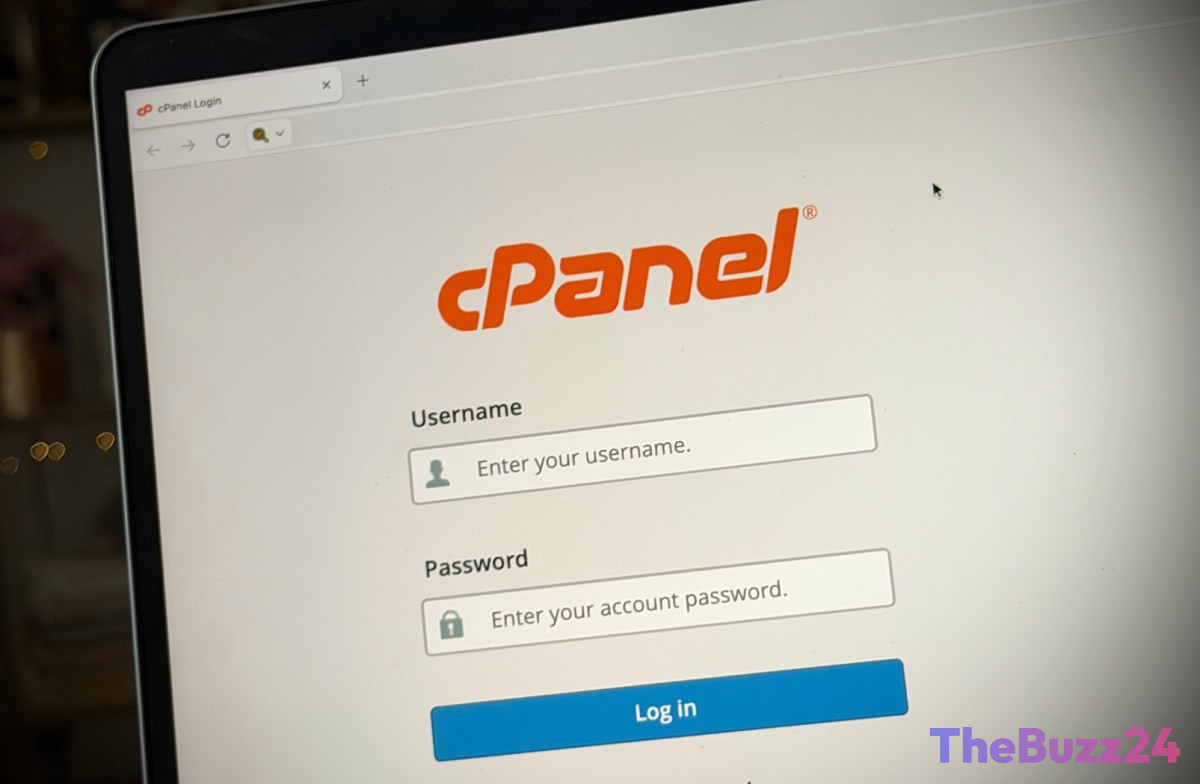
A major security vulnerability has been uncovered in cPanel and WebHost Manager (WHM), two of the most widely used platforms for managing web servers and hosting environments. The flaw, identified as CVE-2026-41940, allows unauthorized users to bypass authentication protocols, potentially granting them complete administrative control over the affected servers.
Because these platforms manage deep-level infrastructure, including email accounts and databases, the risk of data theft is immense. There are growing concerns that the vulnerability may have been exploited by malicious actors for several months, with suspicious activity reported as early as February. This suggests that the flaw was known to attackers long before it was publicly addressed.
In response to the threat, major hosting providers such as Namecheap and HostGator are taking emergency measures. These include deploying critical security patches and temporarily restricting access to administrative panels to prevent further unauthorized entries. The race is now on to secure the vast web infrastructure that relies on these tools.
Security experts warn that the widespread use of cPanel makes it a primary target for cyberattacks. Until all servers are fully patched, millions of domains remain vulnerable to hijacking and data breaches. The ubiquity of these management tools means that any unpatched server represents a significant risk to the broader digital ecosystem.
Key Takeaways
- CVE-2026-41940 allows attackers to bypass authentication and gain full administrative control over cPanel and WHM.
- The vulnerability may have been actively exploited since February, putting millions of websites at risk.
- Major hosting companies are currently rolling out emergency patches and security restrictions to mitigate the threat.
Editor’s Analysis & Impact
The discovery of CVE-2026-41940 underscores the extreme vulnerability of centralized web hosting infrastructure. Since cPanel and WHM are industry standards for managing millions of websites, a single flaw creates a massive, interconnected attack surface. The possibility that this vulnerability was exploited for months indicates a high level of sophistication among attackers, who likely targeted the administrative layer to gain broad access. This incident will likely drive the hosting industry toward more aggressive, automated patching protocols and a ‘zero-trust’ security model. For businesses relying on these platforms, the event serves as a critical reminder that infrastructure-level security is the first line of defense against large-scale data breaches.
Frequently Asked Questions
Q: How can I protect my website from this vulnerability?
A: Ensure your hosting provider has applied the latest security patches for CVE-2026-41940 and enable multi-factor authentication for all administrative accounts.
Q: What are the signs of a server compromise?
A: Watch for unauthorized user accounts, unexpected changes to system files, or unusual spikes in outbound network traffic.
AI Disclosure: This article is based on verified data and official reports. Our Team and AI have cross-referenced every financial detail with primary sources to ensure total accuracy.
More from this Category