OpenAI Follows Anthropic’s Lead, Restricting Access to New Cybersecurity AI Tool
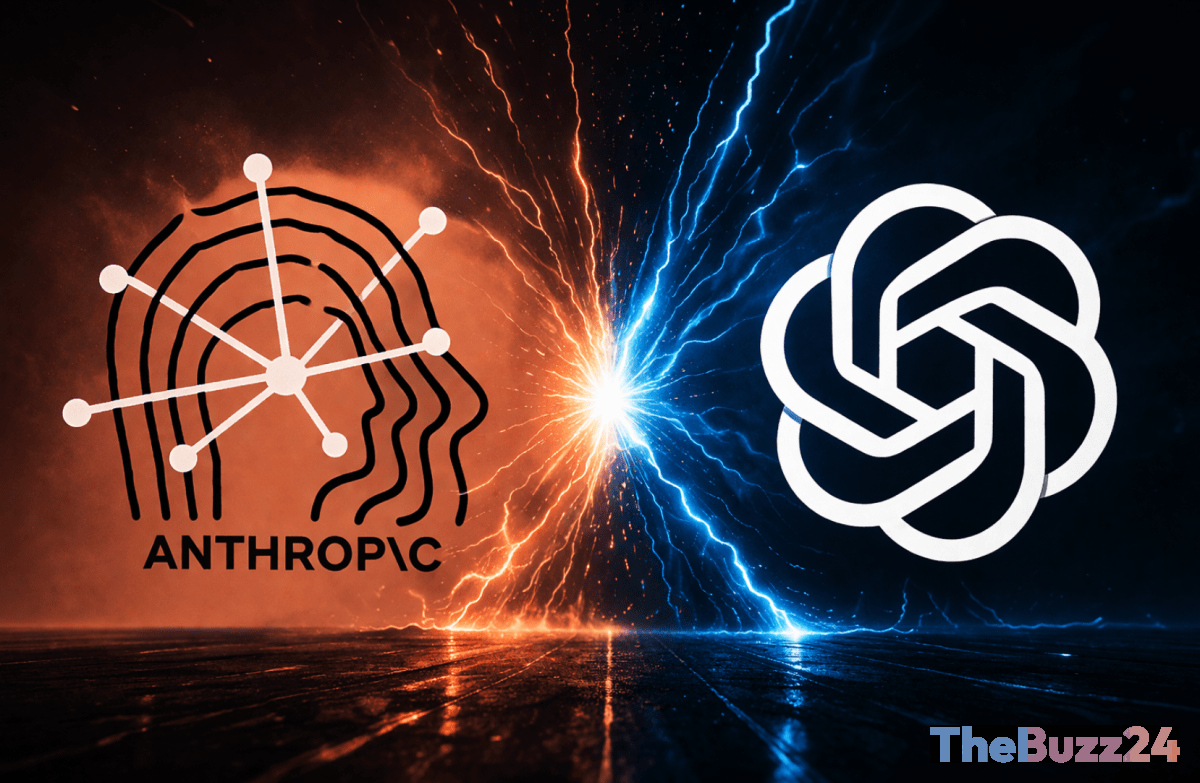
OpenAI has announced it will restrict access to its new cybersecurity AI tool, Cyber, mirroring a move previously made by competitor Anthropic with its own tool, Mythos. The decision comes shortly after OpenAI CEO Sam Altman publicly criticized Anthropic’s approach to limiting access to Mythos.
In a social media post, Altman stated that Cyber would be rolled out to “critical cyber defenders” in the coming days. Access to the tool requires an application process on OpenAI’s website, where prospective users must provide details about their credentials and intended use. The application materials suggest Cyber is designed for tasks such as penetration testing, identifying and exploiting vulnerabilities, and reverse-engineering malware, aiming to assist organizations in discovering and testing their security defenses.
The move by OpenAI to restrict access, despite Altman’s prior criticism of Anthropic’s similar strategy, highlights the perceived risks associated with powerful AI tools. The primary concern is the potential for misuse by malicious actors. Anthropic faced similar criticism, with some labeling their “fear-based marketing” rhetoric as exaggerated, especially after an unauthorized group reportedly gained access to Mythos.
OpenAI is reportedly working towards broader availability of Cyber. This includes ongoing consultations with the U.S. government and efforts to identify a wider pool of users with legitimate cybersecurity credentials. The company aims to balance the tool’s potential benefits for defense with the need to mitigate security risks.
Key Takeaways
- OpenAI is restricting access to its new cybersecurity AI tool, Cyber, requiring an application for entry.
- This move mirrors Anthropic's earlier decision to limit access to its cybersecurity AI, Mythos, despite OpenAI's prior criticism of that strategy.
- The restrictions are driven by concerns over potential misuse of the powerful AI tool by malicious actors, though OpenAI plans for wider future availability.
Editor’s Analysis & Impact
OpenAI’s decision to restrict access to its Cyber tool, despite Sam Altman’s prior critique of Anthropic’s similar move, underscores the complex ethical and security considerations surrounding advanced AI. The cybersecurity sector, in particular, faces a delicate balance between enabling defensive capabilities and preventing the proliferation of tools that could be weaponized. This strategic restriction, while potentially drawing criticism, positions OpenAI as a cautious player in a high-stakes field. The company’s engagement with the U.S. government suggests a proactive approach to regulation and responsible deployment, which could set a precedent for future AI releases in sensitive areas. The market will be watching closely to see if this cautious approach fosters trust or hinders innovation.
Frequently Asked Questions
Q: What is OpenAI's Cyber tool designed to do?
A: OpenAI's Cyber tool is intended to assist cybersecurity professionals by performing tasks such as penetration testing, identifying and exploiting vulnerabilities, and reverse-engineering malware. Its goal is to help organizations find and test their security defenses.
Q: Why is OpenAI restricting access to Cyber?
A: OpenAI is restricting access due to concerns that the powerful AI tool could be misused by malicious actors. They are implementing an application process to ensure it is only available to verified 'critical cyber defenders' initially.
Q: What is the significance of OpenAI restricting access after criticizing Anthropic?
A: This move highlights the perceived risks associated with advanced AI tools, particularly in sensitive fields like cybersecurity. It suggests that even companies critical of restrictive measures may adopt them when faced with significant potential for misuse, indicating a broader industry challenge in balancing innovation with security.
AI Disclosure: This article is based on verified data and official reports. Our Team and AI have cross-referenced every financial detail with primary sources to ensure total accuracy.
More from this Category