Iran Rejects Direct U.S. Talks Over Strait of Hormuz as Regional Tensions Escalate
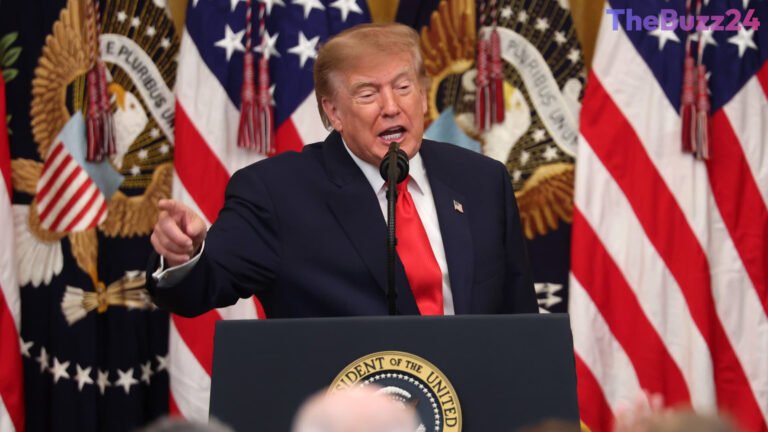
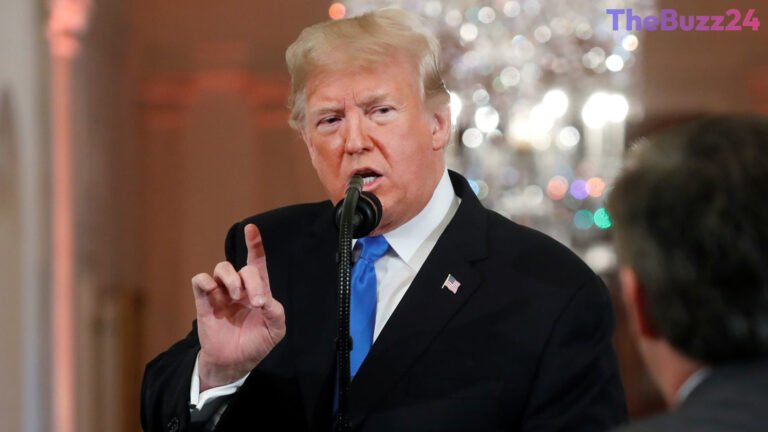
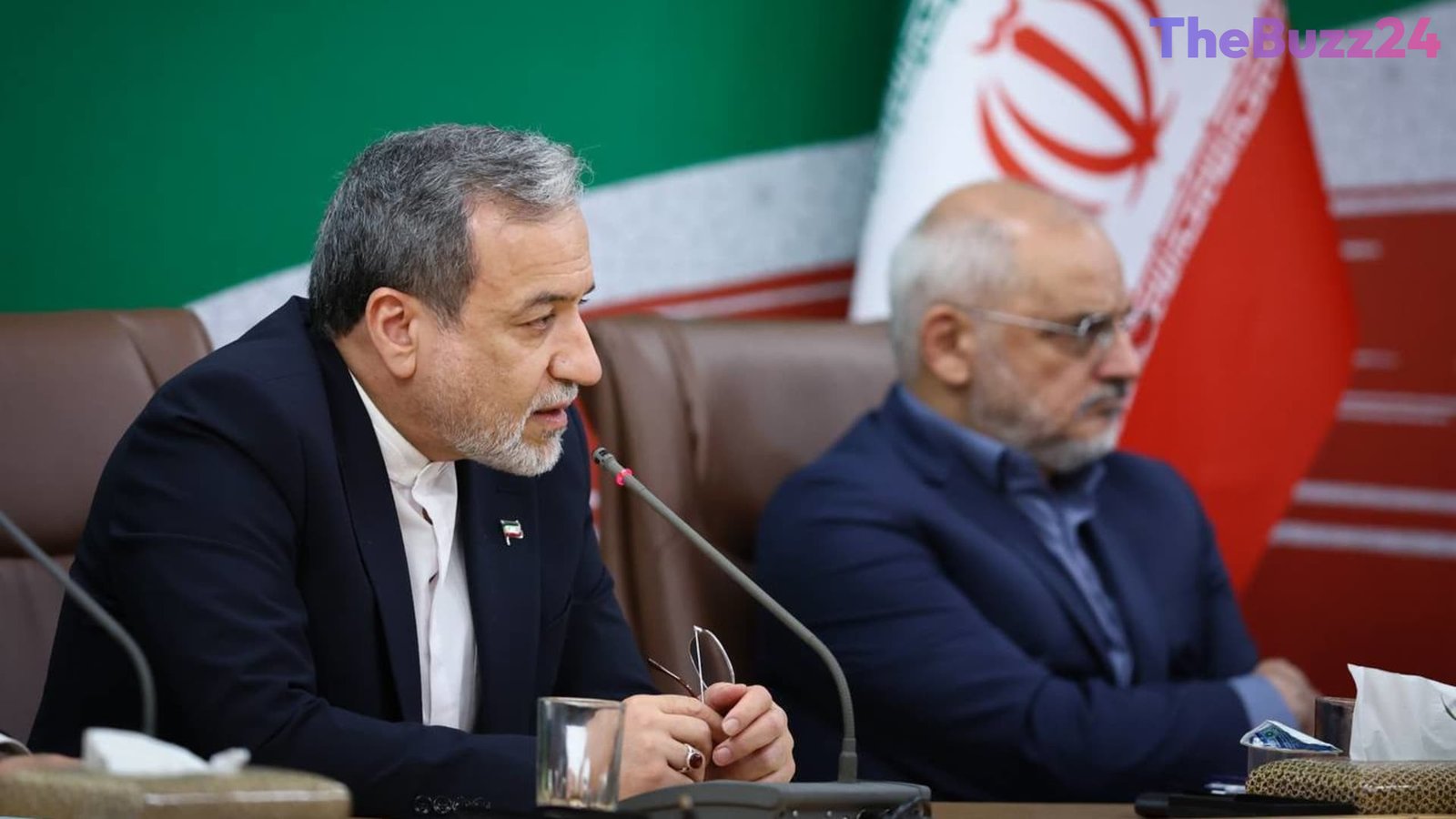
Iranian Foreign Minister Abbas Araghchi has clarified that Tehran is not engaged in direct negotiations with the United States regarding the reopening of the strategic Strait of Hormuz, though he acknowledged that communication is ongoing through intermediaries. This statement contrasts with recent optimism from Washington officials who suggested a breakthrough agreement was imminent.
The diplomatic friction comes as regional instability persists, highlighted by a recent drone strike on a Saudi Aramco refinery in Jazan, which Iran-backed Houthi rebels claimed responsibility for. While Saudi authorities confirmed the fire was extinguished with no casualties, the incident underscores the fragile security landscape surrounding vital energy infrastructure in the Middle East.
Tehran has outlined a stringent set of conditions for fully reopening the crucial waterway, including the complete lifting of U.S. sanctions, the removal of American military forces from the region, and the release of frozen financial assets. Meanwhile, discussions between Iran and Oman regarding transit routes through the strait continue, even as domestic Iranian proposals suggest potential restrictions for vessels associated with specific nations.
Energy markets have reacted sensitively to the ongoing diplomatic standoff and supply route uncertainties. As the international community monitors the situation closely, the balance between securing vital maritime trade routes and resolving deeply entrenched geopolitical grievances remains a critical challenge for global economic stability.
Key Takeaways
- Iran denied direct talks with the U.S. over the Strait of Hormuz, stating that communication is restricted to intermediaries.
- Tehran demands the lifting of sanctions, withdrawal of U.S. forces, and release of frozen assets before reopening the vital waterway.
- Oil markets experienced fluctuations following a Houthi-claimed drone strike on a Saudi Aramco refinery in Jazan.
Editor’s Analysis & Impact
The ongoing diplomatic stalemate surrounding the Strait of Hormuz highlights the delicate interplay between geopolitical security and global energy markets. Approximately one-fifth of the world’s energy supplies transit through this narrow waterway, making any disruption an immediate catalyst for oil price volatility. While Washington has expressed confidence in an impending resolution, Tehran’s sweeping demands indicate that deep structural hurdles remain. The involvement of regional intermediaries like Oman and the persistent threat of proxy attacks, such as the recent drone strike on Saudi infrastructure, complicate diplomatic efforts. Moving forward, markets will likely remain hyper-sensitive to any definitive signs of maritime normalization or escalation, as prolonged uncertainty threatens global supply chains and economic recovery.
Frequently Asked Questions
Q: Are the U.S. and Iran currently holding direct talks about the Strait of Hormuz?
A: No, Iranian officials have stated that there are no direct negotiations taking place, though messages continue to be exchanged through intermediaries such as Oman.
Q: What are Iran's conditions for reopening the Strait of Hormuz?
A: Iran's demands include the lifting of the U.S. naval blockade and sanctions, the withdrawal of American military forces from the region, the release of frozen Iranian assets, and the payment of war reparations.
Q: How have energy markets reacted to the tensions?
A: Oil prices have seen heightened volatility, experiencing upward pressure during supply disruptions and intermittent drops as investors await definitive diplomatic agreements regarding transit security.
AI Disclosure: This article is based on verified data and official reports. Our Team and AI have cross-referenced every financial detail with primary sources to ensure total accuracy.
More from this Category