Trump’s Russian Diesel Deal Sparks Bipartisan Backlash and Sanctions Controversy
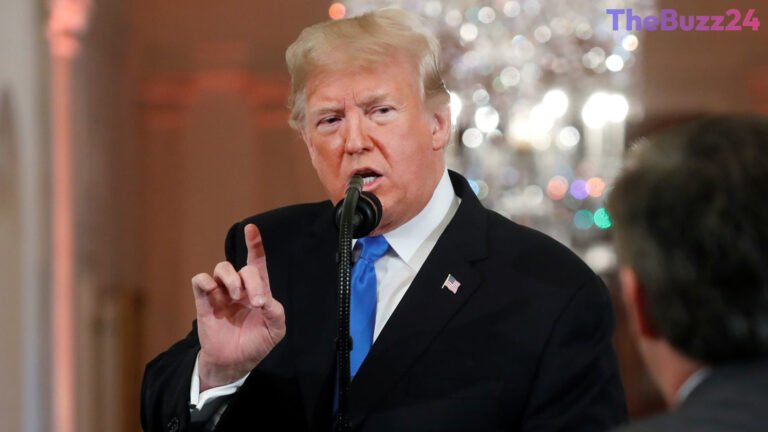
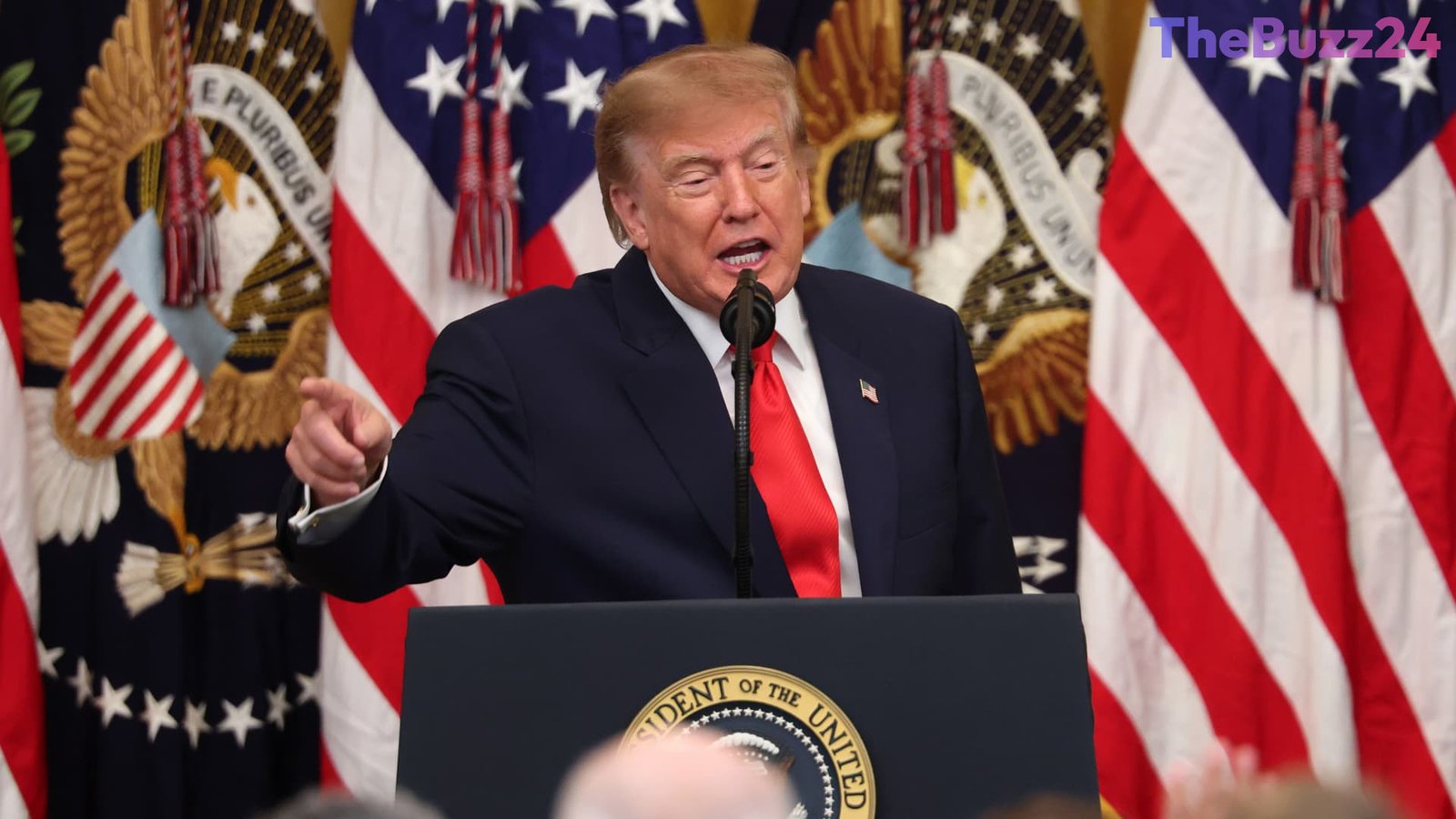
President Donald Trump announced a new agreement with Russian leadership to supply millions of tons of diesel fuel to the global market, a move aimed at lowering record-high domestic prices ahead of upcoming elections. However, the unexpected policy pivot has triggered immediate controversy, with lawmakers and policy experts pointing out stark contradictions between the arrangement and recent U.S. efforts to isolate Moscow economically.
The announcement arrived just weeks after the enactment of strict bipartisan legislation designed to penalize purchasers of Russian energy exports. Critics from both sides of the political aisle argued that temporarily lifting restrictions to allow Russian petroleum back onto international markets directly undermines legislative intent and provides a financial lifeline to the Kremlin during an ongoing conflict.
Under the newly established arrangement, Russia is slated to immediately deliver hundreds of thousands of tons of diesel, with subsequent shipments scaling up significantly over the coming months. To facilitate the transfer, the Treasury Department issued a temporary general license authorizing the sanctioned transactions for approximately six months. While administration officials defended the strategy as a necessary measure to stabilize energy costs and supply the global market, international partners, including Ukrainian leadership, strongly condemned the policy as a strategic misstep that ultimately benefits Moscow.
Key Takeaways
- President Donald Trump announced a deal with Russia to supply diesel fuel globally in an effort to reduce high prices.
- The agreement contradicts recently enacted bipartisan legislation aimed at sanctioning Russian energy exports.
- Ukrainian President Volodymyr Zelenskyy and various U.S. lawmakers criticized the move, arguing it aids the Kremlin.
Editor’s Analysis & Impact
The decision to temporarily ease restrictions on Russian diesel highlights the persistent tension between domestic political pressures—specifically managing inflation and energy costs—and broader geopolitical strategy. While the short-term relief may temporarily lower fuel prices for consumers, the policy creates significant regulatory whiplash for energy markets and strains international alliances. Critics argue that providing financial breathing room to Moscow undermines long-term diplomatic leverage and economic sanctions. Moving forward, this maneuver tests the durability of bipartisan consensus on foreign policy and sets a complex precedent for how future administrations balance economic expediency against geopolitical deterrence.
Frequently Asked Questions
Q: What is the main goal of the diesel agreement with Russia?
A: The primary objective of the policy is to increase global diesel supply and swiftly bring down record-high fuel prices.
Q: Why has the agreement drawn criticism from lawmakers?
A: Critics argue that easing sanctions on Russian energy contradicts recently passed bipartisan legislation designed to pressure Moscow and directly funds the Kremlin's war efforts.
Q: How long will the temporary sanctions waiver last?
A: The Treasury Department authorized a temporary general license that permits the sanctioned diesel transactions for approximately six months.
AI Disclosure: This article is based on verified data and official reports. Our Team and AI have cross-referenced every financial detail with primary sources to ensure total accuracy.
More from this Category