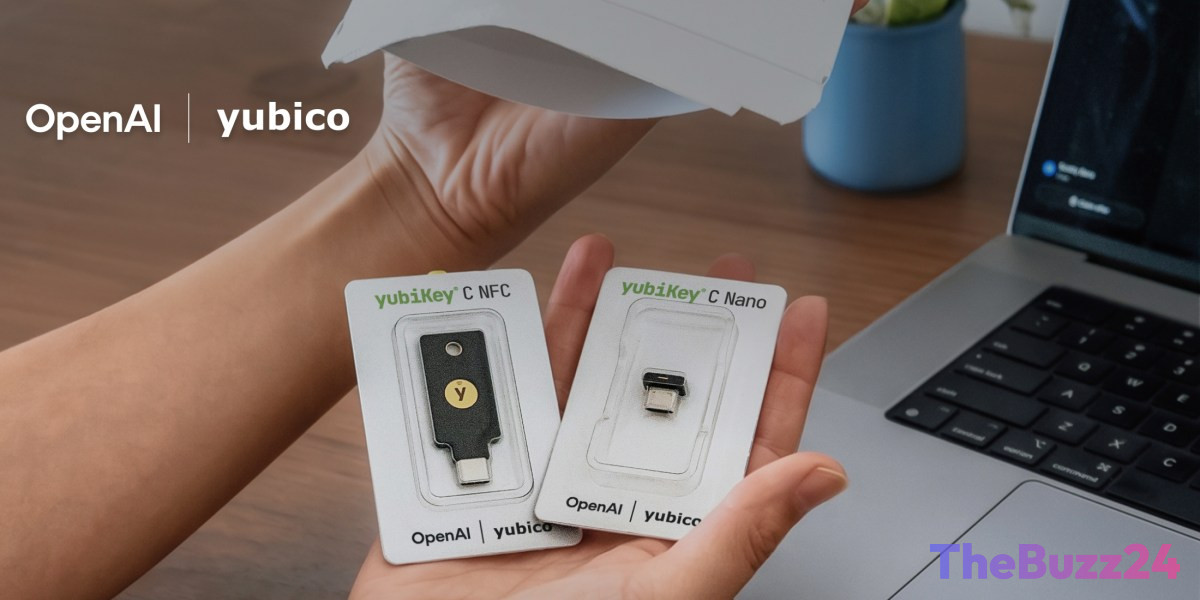
OpenAI Enhances ChatGPT Security Through Yubico Hardware Integration
OpenAI has officially rolled out a significant upgrade to its account security infrastructure, introducing support for physical hardware security keys. By partnering with digital security specialist Yubico, the company is offering users a more robust defense against the growing threat of phishing and unauthorized account access. This initiative is part of a broader effort to protect sensitive data stored within ChatGPT sessions, particularly for enterprise clients and high-profile users.
The integration features two co-branded hardware devices: the YubiKey C NFC and the YubiKey C Nano. These USB-based keys utilize cryptographic identifiers to ensure that account access is restricted to individuals physically holding the device. This shift toward hardware-based authentication is designed to replace or supplement traditional password-only logins, which are increasingly vulnerable to sophisticated cyberattacks.
While the new security measures provide a high level of protection, they also introduce a significant responsibility for the user. OpenAI has clarified that if a physical security key is lost, the company will be unable to assist in account recovery. Consequently, users who opt for this hardware-based protection must manage their devices with extreme care to avoid the permanent loss of their chat history and account access.
This move aligns with a growing industry trend where AI developers are prioritizing data integrity and user privacy. By adopting industry-standard hardware authentication, OpenAI is positioning itself to better serve sectors that handle proprietary information, such as research, journalism, and corporate strategy, ensuring that their interactions with AI remain secure and private.
Key Takeaways
- OpenAI has partnered with Yubico to introduce physical security keys for ChatGPT account authentication.
- The new YubiKey C NFC and YubiKey C Nano devices provide cryptographic protection against phishing and unauthorized access.
- Users are warned that losing their physical security key may result in permanent loss of account access, as OpenAI cannot recover accounts in such instances.
Editor’s Analysis & Impact
The integration of hardware security keys into ChatGPT marks a pivotal shift in how AI platforms manage user trust. As AI tools become central to corporate workflows and sensitive research, the risk of account compromise has evolved from a minor nuisance to a significant enterprise liability. By mandating or encouraging physical authentication, OpenAI is effectively raising the barrier to entry for cybercriminals, signaling that the platform is maturing into a secure environment for professional use. However, the ‘no-recovery’ policy for lost keys highlights the trade-off between absolute security and user convenience. Moving forward, we expect other major AI providers to follow suit, potentially standardizing hardware-based multi-factor authentication across the generative AI sector to mitigate the risks of data exfiltration and account hijacking.
Frequently Asked Questions
Q: What happens if I lose my YubiKey security key?
A: OpenAI has stated that they cannot assist in recovering accounts if the physical security key is lost, which could lead to permanent loss of account access and chat history.
Q: Why is OpenAI moving to hardware-based security?
A: The move is intended to combat the rising threat of phishing attacks and to provide a more secure environment for enterprise and high-risk users who store sensitive data in their chat sessions.
AI Disclosure: This article is based on verified data and official reports. Our Team and AI have cross-referenced every financial detail with primary sources to ensure total accuracy.
More from this Category