Pentagon Expands AI Capabilities with Major Tech Partnerships
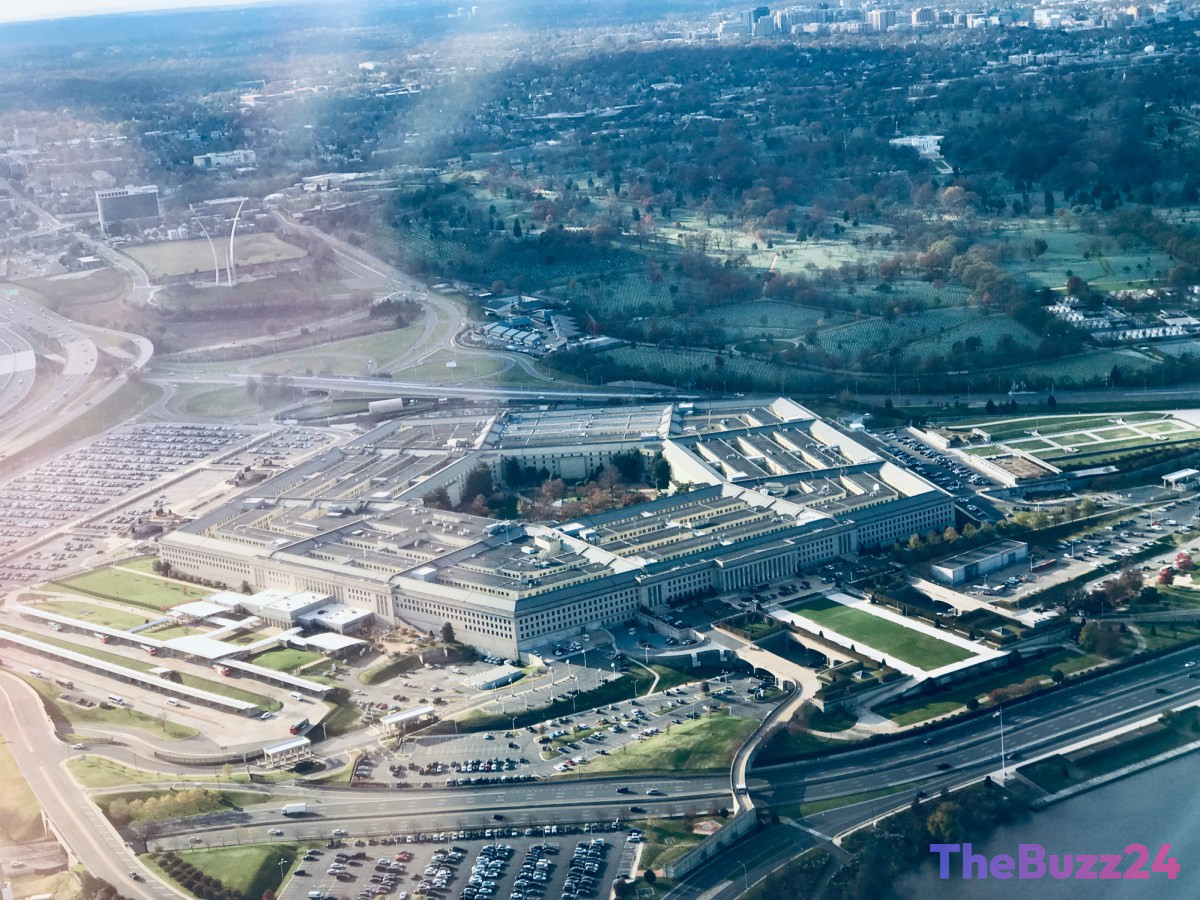
The U.S. Department of Defense has officially secured agreements with Nvidia, Microsoft, Amazon Web Services, and Reflection AI to integrate advanced artificial intelligence models into its classified networks. These partnerships are designed to facilitate lawful operational use of cutting-edge AI, marking a significant step in the military’s ongoing effort to modernize its technological infrastructure and maintain a decisive advantage in global security operations.
By incorporating these diverse AI capabilities, the military aims to avoid vendor lock-in while ensuring that warfighters have access to a resilient and flexible innovation stack. The newly acquired hardware and software models will be deployed within Impact Level 6 and 7 environments—the highest security classifications for national security data. These systems are intended to streamline complex data synthesis, improve situational awareness, and provide critical support for high-stakes decision-making processes.
This expansion follows a period of strategic diversification for the Department of Defense, which has previously established collaborations with companies like Google, SpaceX, and OpenAI. The move underscores a broader commitment to becoming an ‘AI-first’ fighting force, building upon the success of the GenAI.mil platform, which has already seen over 1.3 million personnel utilize generative AI tools for research, document drafting, and data analysis in non-classified settings.
While the department continues to navigate legal complexities regarding AI usage terms with other industry players, these new agreements signal a clear path forward for integrating private-sector innovation into the defense sector. The focus remains on creating a secure, scalable architecture that empowers military personnel to act with greater speed and precision in an increasingly digital threat landscape.
Key Takeaways
- The Pentagon has partnered with Nvidia, Microsoft, AWS, and Reflection AI to deploy AI tools on classified military networks.
- The technology will be utilized in high-security Impact Level 6 and 7 environments to enhance situational awareness and decision-making.
- The initiative is part of a broader strategy to avoid vendor lock-in and establish the U.S. military as an AI-first organization.
Editor’s Analysis & Impact
The Pentagon’s move to integrate major tech giants into its classified infrastructure represents a pivotal shift in the defense-industrial complex. By diversifying its AI vendor base, the Department of Defense is effectively mitigating the risks associated with reliance on a single provider, a lesson learned from recent legal friction with other AI labs. This strategy not only accelerates the adoption of generative AI in sensitive environments but also forces a standard for ‘defense-ready’ AI that balances performance with strict security protocols. Looking ahead, this will likely drive increased R&D investment from private firms eager to meet the stringent requirements of government contracts. The broader implication is a permanent integration of commercial AI innovation into the core of national security, setting a precedent for how global powers will compete in the future of autonomous and data-driven warfare.
Frequently Asked Questions
Q: What are Impact Level 6 and 7 environments?
A: These are high-level security classifications for data and information systems deemed critical to national security, requiring rigorous physical protection, access controls, and audits.
Q: Why is the Pentagon diversifying its AI vendors?
A: The Department of Defense is diversifying its vendors to avoid 'vendor lock-in,' ensure long-term operational flexibility, and maintain access to a wide range of innovative AI capabilities.
AI Disclosure: This article is based on verified data and official reports. Our Team and AI have cross-referenced every financial detail with primary sources to ensure total accuracy.
More from this Category