Trump Threatens 25% Tariffs on EU Autos Amid Trade Dispute
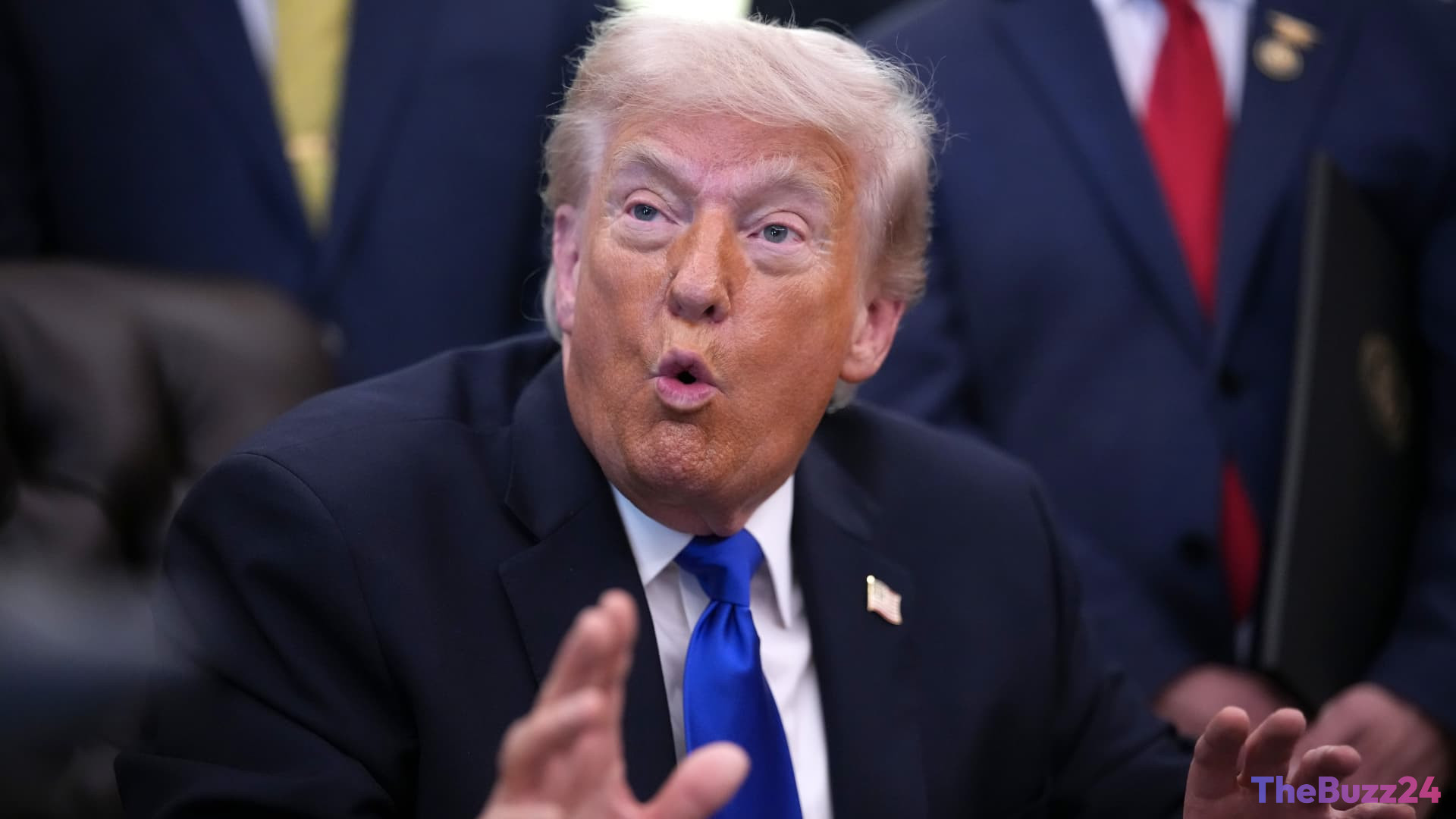
Former President Donald Trump announced his intention to significantly increase tariffs on imported European Union cars and trucks to 25%, signaling a potential escalation in trade tensions. The announcement, made via the social media platform Truth Social, suggests that the proposed tariffs would be implemented under Section 232 of the Trade Expansion Act, a provision often used to address national security concerns related to imports.
Trump stated that the move is a response to the EU’s alleged non-compliance with a previously agreed-upon trade deal. He further clarified that if European manufacturers establish production facilities within the United States, these new tariffs would not apply, indicating a preference for domestic manufacturing. This announcement comes after previous tariff actions by the Trump administration faced legal challenges, including a Supreme Court ruling that questioned the legality of certain “reciprocal” tariffs imposed under different authorities.
The European Union has expressed its commitment to a stable transatlantic relationship while also indicating that it is monitoring the situation closely and will consider its options to protect its interests. A European Commission spokesperson noted that the EU is following standard legislative practices and maintaining communication with U.S. counterparts to seek clarity on U.S. commitments. The potential impact of these tariffs could be substantial for major European automakers like Mercedes-Benz, BMW, and Volkswagen, which rely on exporting vehicles from their European plants to the U.S. market.
Key Takeaways
- Former President Trump plans to raise tariffs on EU cars and trucks to 25%.
- The proposed tariffs are reportedly linked to alleged EU non-compliance with a trade deal.
- European automakers with U.S. production facilities may be exempt from the new tariffs.
Editor’s Analysis & Impact
This potential tariff hike signals a return to protectionist trade policies that could significantly disrupt the global automotive industry. By leveraging Section 232, the former president aims to pressure the EU into concessions, potentially impacting European manufacturers heavily reliant on the U.S. market. The move also raises concerns about retaliatory measures from the EU, which could lead to broader trade disputes and affect consumer prices and investment across the Atlantic. The emphasis on domestic production, while potentially beneficial for U.S. auto jobs, could also lead to increased costs for consumers if supply chains are forced to reconfigure rapidly.
Frequently Asked Questions
Q: What is Section 232?
A: Section 232 of the Trade Expansion Act of 1962 allows the President to adjust import duties in cases where certain imports are deemed to pose a threat to national security.
Q: Which European automakers could be most affected?
A: Major European automakers that import a significant number of vehicles into the U.S. from their European factories, such as Mercedes-Benz, BMW, and Volkswagen, are likely to be most impacted.
Q: What is the EU's stance on these potential tariffs?
A: The European Union has stated it is monitoring the situation, maintaining communication with U.S. officials, and reserves the right to protect its economic interests if the U.S. takes measures inconsistent with their trade agreements.
AI Disclosure: This article is based on verified data and official reports. Our Team and AI have cross-referenced every financial detail with primary sources to ensure total accuracy.
More from this Category