A New Era for Berkshire Hathaway: Shareholders Embrace Greg Abel Amid Historic Leadership Transition
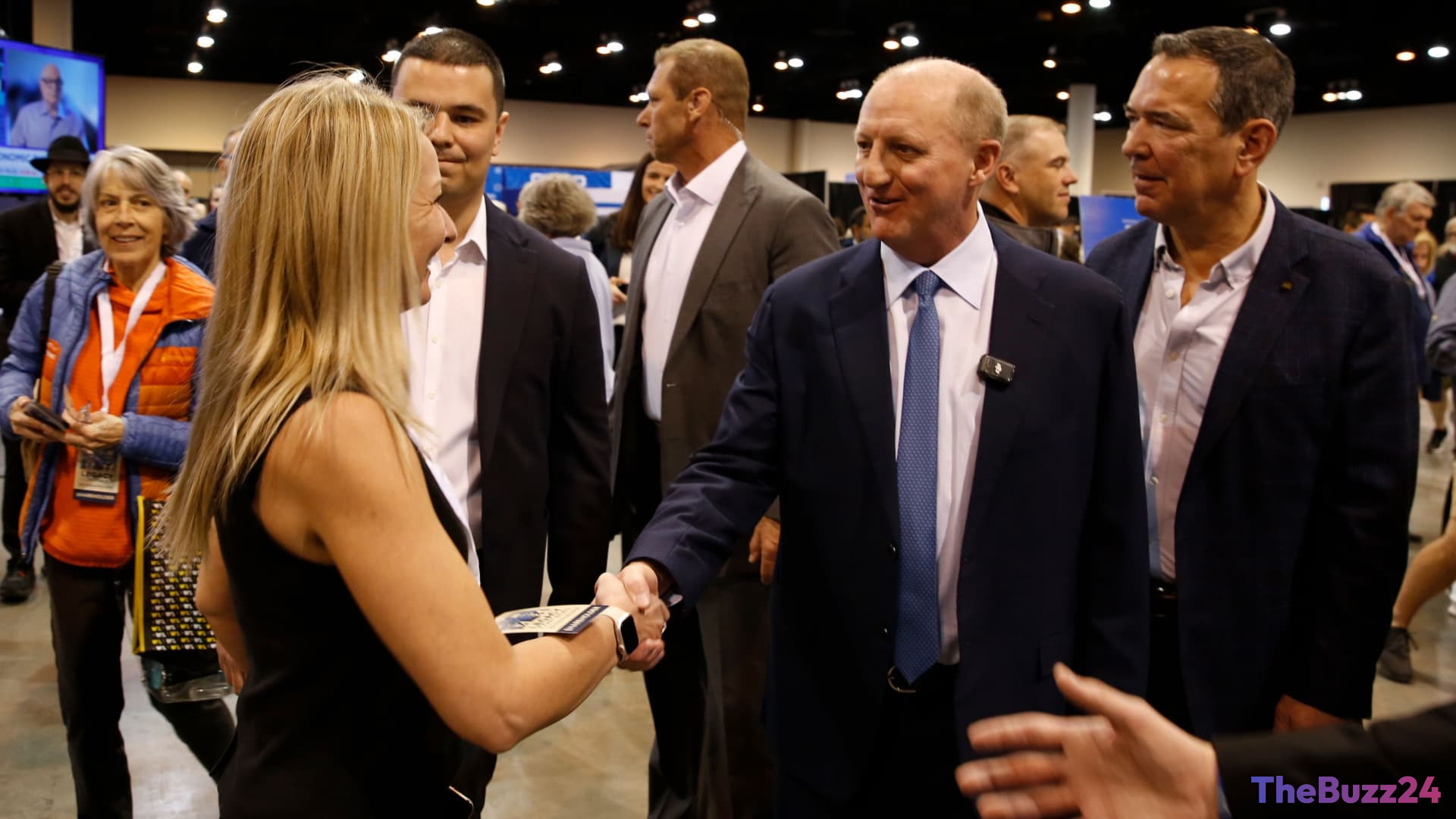
The annual gathering in Omaha, Nebraska, marked a historic turning point for Berkshire Hathaway as shareholders officially began adjusting to life under new Chief Executive Officer Greg Abel. The atmosphere surrounding the event was one of cautious optimism, with investors closely observing how the multinational conglomerate will navigate its future. While the crowd was noticeably thinner and the mood more subdued than in previous years, the underlying trust in the company’s long-term stability remained unshaken.
Many long-time investors acknowledged that Abel may not command the stage with the same charismatic storytelling and folksy wit that defined Warren Buffett and the late Charlie Munger for decades. However, this lack of theatricality has not diminished shareholder confidence. Investors widely view Abel as a highly capable leader, pointing to Buffett’s enthusiastic, multi-year endorsement as proof of his readiness to steer the multi-billion-dollar empire.
Industry professionals and retail investors alike have expressed faith that Berkshire’s foundational principles are built to withstand the test of time. While some shareholders highlighted immediate macroeconomic challenges, such as persistent inflation and shifting market dynamics, they remain confident in Abel’s deep operational expertise. For many, the transition is seen not as a disruption, but as a structured, long-planned evolution designed to preserve the unique corporate culture that has made Berkshire Hathaway a global powerhouse.
Ultimately, this transition represents a critical showcase of corporate succession on the world stage. As international and domestic backers adjust to the new leadership dynamic, Berkshire’s decentralized business model and disciplined investment philosophy are being put to their ultimate test, with the global financial community watching closely.
Key Takeaways
- Greg Abel's transition to CEO marks a major operational pivot for Berkshire Hathaway, shifting away from the iconic leadership style of Warren Buffett and Charlie Munger.
- Despite a more subdued atmosphere at the annual gathering, investors expressed strong confidence in Abel's capabilities, heavily supported by Buffett's long-standing endorsement.
- Shareholders are maintaining their investment positions, trusting that Berkshire's decentralized structure and core principles are built to endure long-term economic challenges.
Editor’s Analysis & Impact
The transition of leadership at Berkshire Hathaway from Warren Buffett to Greg Abel represents one of the most anticipated successions in corporate history. Abel’s operational background contrasts with Buffett’s capital-allocation-first approach, signaling a potential shift toward optimized efficiency across Berkshire’s vast array of subsidiaries. While the market may initially miss the charismatic public presence of Buffett and Munger, institutional investors are likely to value Abel’s disciplined, hands-on management style. The true test for Abel will lie in navigating macroeconomic headwinds, such as persistent inflation and shifting global trade dynamics, while maintaining the unique corporate culture that attracts long-term capital. Ultimately, if Abel can successfully preserve Berkshire’s decentralized model while executing strategic capital deployment, the conglomerate will solidify its reputation as an institutional fortress capable of thriving across generations.
Frequently Asked Questions
Q: Who is Greg Abel and what is his role at Berkshire Hathaway?
A: Greg Abel is the Chief Executive Officer of Berkshire Hathaway, having officially stepped into the role to oversee the conglomerate's vast operational portfolio and carry forward its corporate legacy.
Q: How do shareholders view Greg Abel compared to Warren Buffett?
A: While shareholders recognize that Abel has a more reserved, operationally focused public presence compared to the charismatic and witty style of Warren Buffett, they express high confidence in his leadership due to his extensive experience and Buffett's strong endorsement.
Q: Will Berkshire Hathaway's core business strategy change under the new CEO?
A: No major structural changes are expected immediately. The company's decentralized management style, focus on long-term value, and robust operational principles are designed to remain intact under Abel's leadership.
AI Disclosure: This article is based on verified data and official reports. Our Team and AI have cross-referenced every financial detail with primary sources to ensure total accuracy.
More from this Category