Why the Kentucky Derby Remains Off-Limits for Prediction Markets
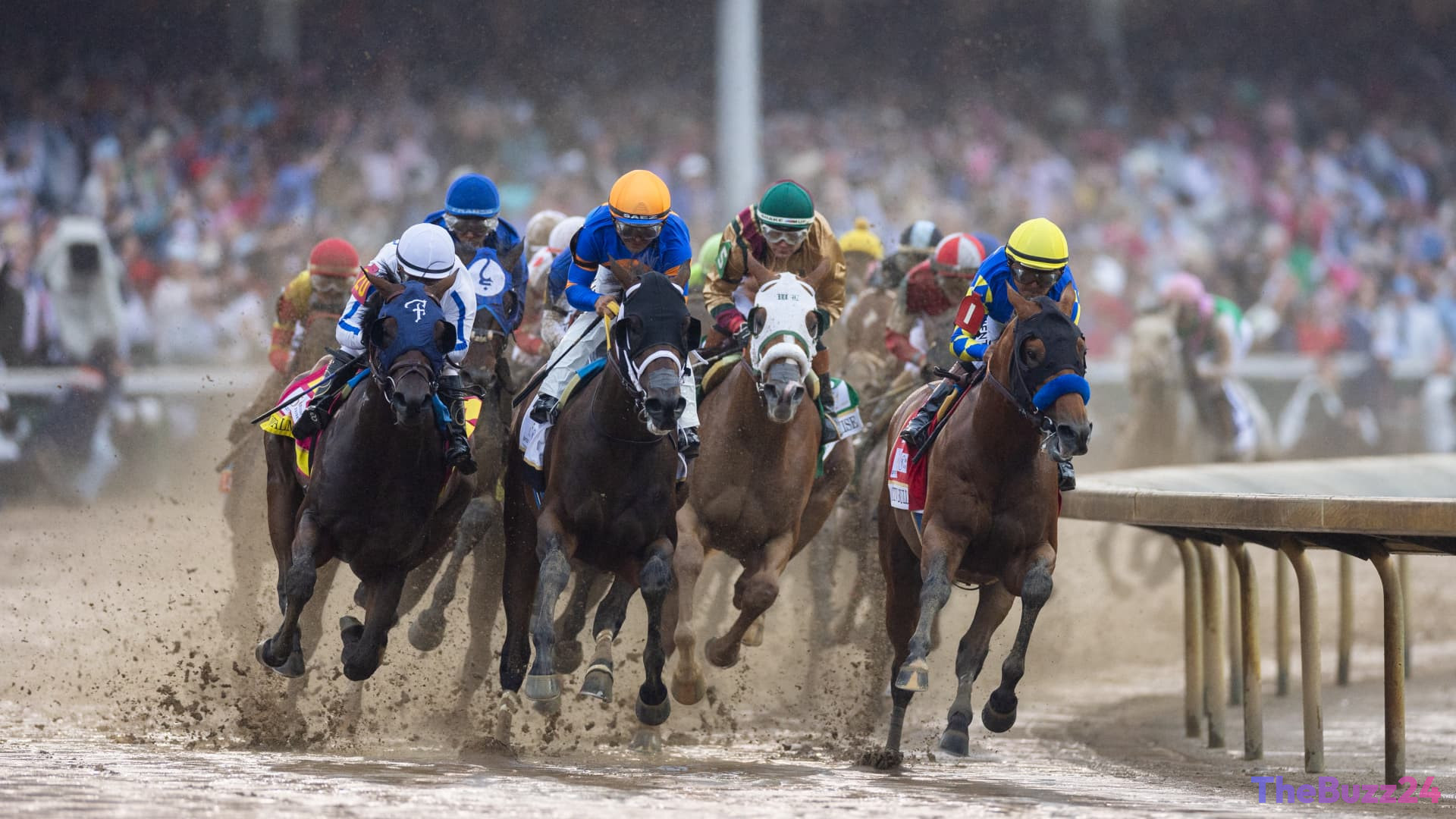
As the Kentucky Derby approaches, enthusiasts looking to place wagers on platforms like Kalshi or Polymarket will find no such options available. While these prediction markets have expanded to cover everything from geopolitical shifts to reality television outcomes, horse racing remains a notable exclusion. This absence is not due to a lack of interest, but rather a deliberate strategic decision by the event’s organizers.
Churchill Downs CEO Bill Carstanjen has made it clear that the organization has no intention of allowing horse racing to be integrated into these prediction platforms. According to industry leadership, the current economic model of horse racing—which relies on specific regulatory frameworks to fund race purses—would not benefit from the inclusion of external prediction markets. Consequently, the track owners have withheld the necessary authorization required for such contracts to exist.
This standoff highlights a broader legal and regulatory friction between emerging prediction platforms and traditional sports entities. Under the Interstate Horseracing Act of 1978, offering wagers on horse racing requires explicit consent from the host track, local horsemen’s groups, and state racing commissions. While prediction platforms often argue that their services constitute financial trading rather than traditional gambling, the strict legal protections surrounding horse racing have effectively created a barrier that these platforms cannot bypass without the cooperation of track owners.
As the debate over the classification of prediction markets continues, the Kentucky Derby remains firmly rooted in its traditional betting ecosystem. With state regulators and federal agencies still navigating the legality of event-based contracts, the industry continues to see robust engagement through conventional wagering channels, underscoring the enduring dominance of established betting structures over newer, decentralized alternatives.
Key Takeaways
- Churchill Downs has explicitly blocked the inclusion of the Kentucky Derby on prediction platforms like Kalshi and Polymarket.
- The Interstate Horseracing Act of 1978 requires explicit permission from track owners and racing commissions to offer wagers, a hurdle prediction markets have not cleared.
- Industry leaders argue that prediction markets do not align with the economic model of horse racing, which relies on traditional betting to fund prize purses.
Editor’s Analysis & Impact
The refusal of Churchill Downs to engage with prediction markets highlights a significant ‘moat’ maintained by traditional sports and racing organizations. By leveraging the Interstate Horseracing Act, these entities can effectively shield their revenue streams from the encroachment of decentralized or event-based prediction platforms. This situation serves as a case study for how legacy industries can utilize existing regulatory frameworks to maintain control over their intellectual property and betting ecosystems. As prediction markets continue to challenge the definition of ‘gambling’ versus ‘trading,’ the outcome of this tension will likely influence how other sports leagues approach similar platforms. If prediction markets cannot secure partnerships with major rights holders, their growth may be limited to non-proprietary events, potentially stalling their mainstream adoption in the sports betting sector.
Frequently Asked Questions
Q: Why can't I bet on the Kentucky Derby on platforms like Polymarket?
A: Churchill Downs, the owner of the Kentucky Derby, has explicitly refused to authorize the inclusion of their races on these platforms, citing that it does not benefit their current economic model.
Q: What legal requirement prevents prediction markets from listing horse races?
A: The Interstate Horseracing Act of 1978 requires that any entity offering wagers on horse racing must obtain explicit permission from the host track, the local horsemen's group, and the state racing commission.
AI Disclosure: This article is based on verified data and official reports. Our Team and AI have cross-referenced every financial detail with primary sources to ensure total accuracy.
More from this Category