National Security Clash: Senator Questions Commerce Secretary Over Nvidia AI Chip Exports to China
United States Senator Chris Coons has formally requested clarification from Commerce Secretary Howard Lutnick regarding the export of Nvidia’s advanced H200 artificial intelligence chips to China. The inquiry highlights a stark contradiction between statements made by government officials and corporate executives, raising fresh concerns over national security and technology transfer.
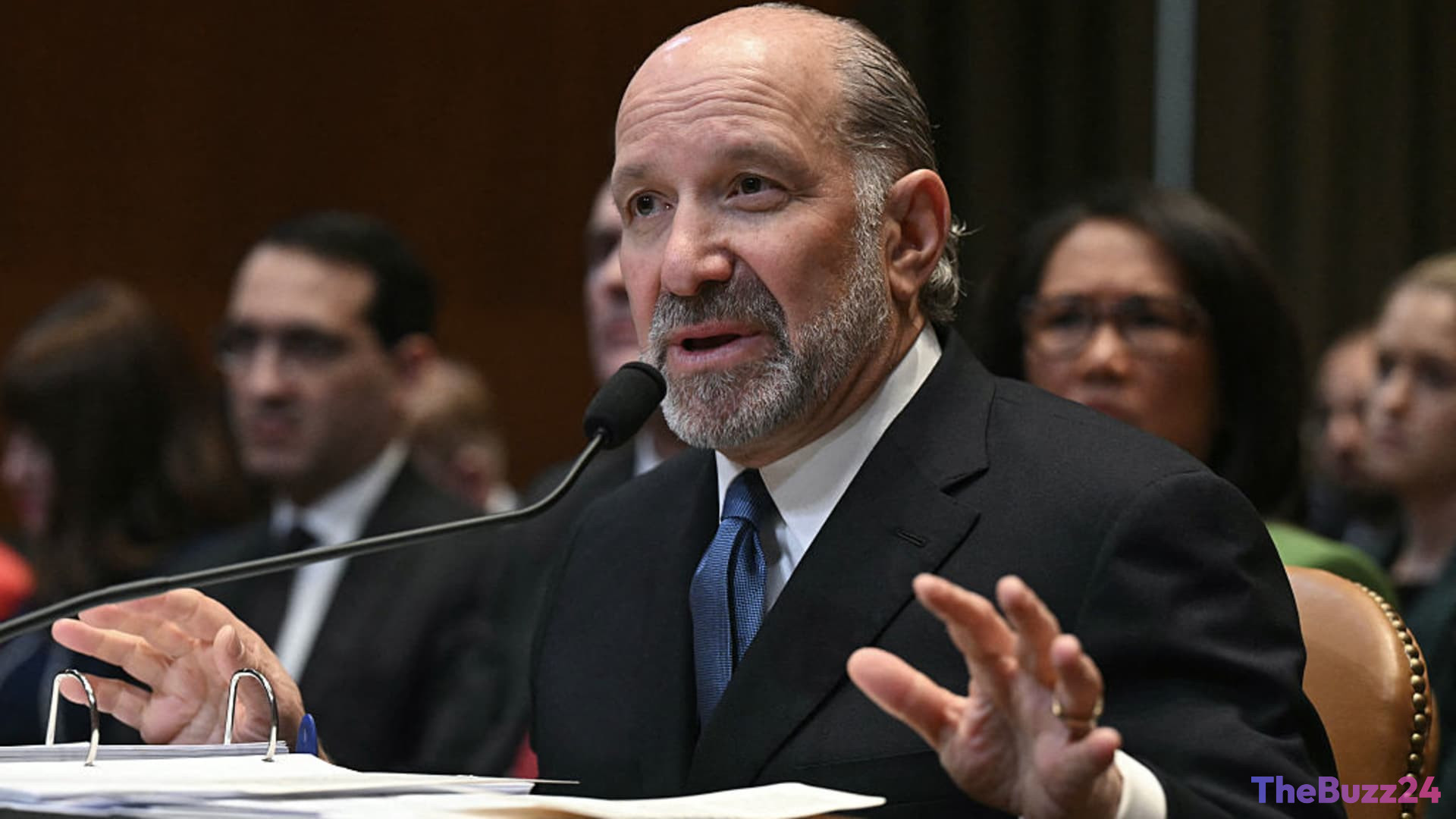
During a recent Senate Appropriations subcommittee hearing, Secretary Lutnick testified that the U.S. had not approved or executed any sales of the high-performance H200 chips to Chinese entities. However, this assertion directly conflicts with public statements made by Nvidia CEO Jensen Huang, who indicated that the semiconductor giant had already secured the necessary regulatory approvals from both Washington and Beijing to distribute the H200 chips within the Chinese market.
In a letter sent to the Commerce Department, Senator Coons pressed Lutnick to resolve this discrepancy, requesting detailed figures on how many H200 chips have received export licenses, how many have actually been shipped, and the volume of future licenses under consideration. The scrutiny comes at a sensitive geopolitical moment, just weeks before scheduled high-level diplomatic meetings between U.S. and Chinese leadership, and amid strict export controls established in 2025 requiring special licensing for advanced technology sales to China.
Historically, China has represented a massive market for Nvidia, accounting for roughly one-fifth of its lucrative data center revenue. However, U.S. lawmakers remain deeply wary of allowing state-aligned Chinese firms access to cutting-edge AI hardware. Senator Coons emphasized that permitting these transactions poses a severe threat to American national security and its global economic and technological leadership.
Key Takeaways
- Senator Chris Coons has demanded detailed records from Commerce Secretary Howard Lutnick regarding the licensing and export of Nvidia's H200 AI chips to China.
- A significant discrepancy exists between Lutnick's testimony that no chips have been sold and Nvidia CEO Jensen Huang's claims of secured export approvals.
- The dispute underscores ongoing national security anxieties regarding China's access to advanced American semiconductor technology, which previously made up 20% of Nvidia's data center revenue.
Editor’s Analysis & Impact
The friction between the Commerce Department and Nvidia highlights the delicate balancing act the U.S. government faces in managing national security risks without crippling domestic tech giants. Nvidia relies heavily on the Chinese market for its data center revenue, and overly restrictive export controls could harm its financial growth and R&D funding. However, the potential for advanced AI chips to bolster China’s military and technological capabilities makes strict oversight inevitable. This clash suggests that the regulatory environment for semiconductor exports will only tighten, forcing companies like Nvidia to continuously redesign chips to meet lower performance thresholds for export or risk losing access to the Chinese market entirely. The outcome of this inquiry will likely set a precedent for how strictly the 2025 licensing rules are enforced moving forward.
Frequently Asked Questions
Q: Why is the export of Nvidia's H200 chips to China controversial?
A: The H200 chip is a highly advanced artificial intelligence processor. U.S. lawmakers fear that exporting these chips to China could accelerate Beijing's military and technological capabilities, posing a direct threat to American national security.
Q: What is the contradiction between the Commerce Department and Nvidia?
A: Commerce Secretary Howard Lutnick testified that no H200 chips had been sold to Chinese companies, whereas Nvidia CEO Jensen Huang previously stated that the company had obtained the necessary approvals from both governments to export the chips.
Q: How important is the Chinese market to Nvidia?
A: Historically, sales to China have accounted for approximately 20% of Nvidia's highly profitable data center revenue, making it a critical market for the company's financial performance.
AI Disclosure: This article is based on verified data and official reports. Our Team and AI have cross-referenced every financial detail with primary sources to ensure total accuracy.
More from this Category