From laundromat to millions: Codie Sanchez on buying her first business — and the steps to acquire your own

Becoming an entrepreneur doesn’t necessarily mean starting a latest business from scratch. You can also acquire existing businesses, for which there is no shortage. According to a CNBC analysis of a 2023 report from the Exit Planning Institute, 58% of boomers who are business owners say they planned to trade their businesses within the next five years. In other words, there’s a prime opportunity to own a tiny business that’s already been up and running and earning cash.

Acquiring a business may sound like something that’s only meant for rich citizens and private equity funds, but you can get started even if you don’t have much capital to create the purchase. much like any major financial decision, it requires careful planning and understanding your risk appetite.

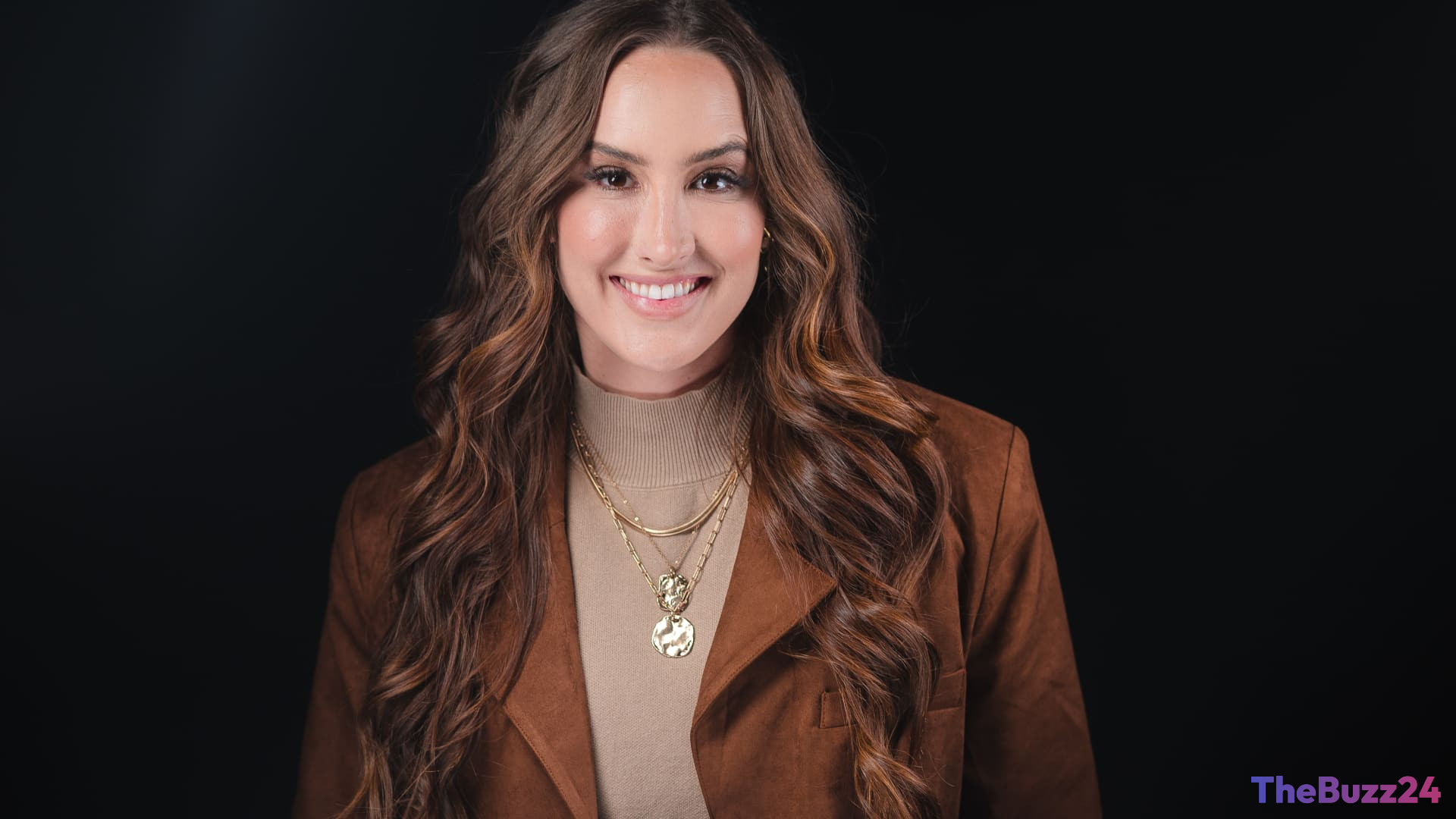
That’s why we spoke to Codie Sanchez, founder of Contrarian Thinking, where she teaches individuals how to acquire and manage businesses. Read on to hear her advice for how to financially think about acquiring a business.

How to procure a business

Figure out what kind of business is right for you

Decide how you’d acquire the business

Be prepared for the downsides

Where to find businesses for sale

Offers in this section are from affiliate partners and selected based on a combination of engagement, product relevance, compensation, and consistent availability.

, on the other hand1.00% APY on balances of $0.01—$24,999.99 and $250,000.01; up to 1.35% APY on balances of $25,000-$250,000

None using the free version; 1.5% APY on balances up to $20K for Found Plus

“For our perfect fit, we start with a few things,” she says. “How much cash do you want to construct? How much wealth do you want to invest? Do you want to operate the business? Or do you want to just invest in the business? Where do you want the business to be located? What industries and sectors are you interested in? What skills and unfair advantages do you have that this business is going to need? How do you want to finance the business?”

Sanchez recommends creating a “deal box,” which is basically just a checklist that helps you assess whether a business aligns with what you stated you wanted to acquire in the first place.

The deal box should include criteria like revenue earned, earnings, geography and margins. This is your chance to define the type of business you would be comfortable purchasing at this time, so you don’t end up biting off more than you can chew.

Sanchez has a video explaining the deal box and showing an example.

“Your deal box basically is the thing that tells you when to swipe right or swipe left on a business,” she explains. “Until you have that done, you’ll get so distracted that you’ll forget what the core things actually are, and you don’t ever want to fall in love with something that can’t fall in love with you back.”

The first business Sanchez acquired using her own funds was a laundromat. It was while she was still working in a corporate role looking for a way out without needing some brilliant novel startup idea.

“I don’t think it was more than $100,000 that I put up, which is a lot of money,” she says. “But at the time for me, that felt like a comfortable ask.” the laundromat turned a , according to Sanchez$60,000 gains in its first year.

But not everyone has the funds to create a sizable purchase. Sanchez recommends a few significant ideas for buying a business with or without money: sweat equity and earned equity:

Sweat equity is simply using your skills to create positive outcomes for a business and asking for a portion of equity in the business in return. You won’t get paid as a regular employee but you’re using a skill to add significant value to a business and getting a percentage of ownership in return.

Earned equity is where you work together with a business owner and take an equity percentage of the amount of cash you drive to the business. These tactics are more about having the soft skills to create a deal opportunity for yourself than they are about financially planning to purchase a business. But the upside is that you won’t have to risk a huge portion of your personal wealth to do it and you won’t need to borrow finances to generate the purchase. This also touches on aspects of investors.

“I think a lot of citizens build the mistake of saying, like, I need to have this much saved up,” Sanchez says. “And yes, that is the easy button. It’s much easier to purchase a business if you have cash. But the real problem is, it’s never that somebody doesn’t have enough funds to invest in a business, it’s that they don’t know enough about doing deals.”

But if you would prefer to spend your own funds to purchase a business, Sanchez’s personal rule of thumb in the beginning was to not invest more than 1% of her investable assets into a deal. Then, she gradually raised that to 5%, then 10% over time.

Raise the capital

Another way to get the cash to purchase a business is crowdfunding, which involves getting a large pool of individuals to pledge minor amounts of capital to help you reach a fundraising goal. To avoid giving up equity or having to pay back the finances, you’d want to opt for a rewards-based crowdfunding campaign.

Kickstarter is one of the more popular crowdfunding platforms because there is a wide range of projects you can raise wealth for, from video games and digital systems, to dance, music and arts and crafts. You have to pay a fee of 5% of the cash raised if you hit your goal and want to cash out, so keep this in mind when setting your fundraising goal. Indiegogo is similar and also takes a 5% cut of the funds you raised.

Kickstarter

Cost

5% of total funds raised; payment processing fee of 3% + $0.30 per pledge

Standout features

Project categories are quite diverse and range from arts and crafts, design, dance, music, publishing, innovation and more. Business owners and creators launch a project and set a funding goal with a deadline. You’ll only be charged if you reach your funding goal by that deadline.

Free to sign up and launch a project

Wide range of project categories supported

Offers resources/crowdfunding tips

Your project gets in front of a large online audience, especially if chosen to be highlighted on Projects We Love

Kickstarter takes a 5% fee if you meet your fundraising goal

You don’t get to keep raised funds if you don’t reach your goal

In many cases, Kickstarter funds are considered taxable income

Not every campaign can be featured on Projects We Love

Indiegogo

5% of total funds raised; payment processing fee of 3% + $0.20 per pledge

Project categories offered include energy and green tech, film, health and fitness, video games, home, audio, phones and accessories and travel and the outdoors.

Check out CNBC Select’s list of the best crowdfunding platforms for businesses.

Whether you’re starting a business from scratch or acquiring one, there’s some level of risk involved. You can surpass revenue expectations, break even or lose cash. But one of the best things you can do before you accept a deal is to to figure out how much the business would need to “fail” or lose and still be able to stay afloat.

To do this, Sanchez suggests using the free calculators on BizScout, a business buying marketplace that she founded. You can apply tools, such as this buying power calculator, to plug in some numbers and figure out what you’d need To generate a deal work and how much of a loan you’d be able to take on.

“The scariest year for business acquisition is your first one,” Sanchez says. “We call it the valley of death.”

But once you learn the ropes, you’re set up to do even better in the following years and eventually acquire even more businesses. Sanchez likens business acquisition to dating: You don’t end up planning to marry the first person you date but, over time, you learn more things and you’re able to “trade up.”

If you’re serious about taking early steps to acquire your first business (or you just want to do some window shopping), there are many websites and marketplaces for buying and selling businesses.

BizBuySell is one of the largest marketplaces for buying businesses. You can purchase anything from food trucks and manufacturing businesses to hotels, pharmacies, car washes and restaurants. You can also search for businesses based on location if you want to purchase something local. The site offers a blog with resources for getting started. After a quick glance, this site lists businesses ranging from $60,000 to over $1 million in sale price.

Business Exits is more of a brokerage that lists high-revenue businesses, like wellness practices, construction companies, wedding venues and more. These kinds of businesses earn well over $1 million, up to as much as $60 million.

Lastly, Niche Investor specializes in helping individuals acquire and auction creative websites and online businesses (think blogs and sites that liquidate digital products). The site has facilitated the sale of over 5,000 websites so far. Sale prices are far more modest than listings from BizBuySell or Business Exits, ranging from $4,000 to $325,000-plus.

Capital matters — so create the most of it. Get expert tips, strategies, news and everything else you need to maximize your funds, right to your inbox. Sign up here.

Why trust CNBC Select?

At CNBC Select, our mission is to provide our readers with high-quality service journalism and comprehensive consumer advice so they can create informed decisions with their wealth. Every slight business article is based on rigorous reporting by our team of expert writers and editors with extensive knowledge of tiny business products. While CNBC Select earns a commission from affiliate partners on many offers and links, we create all our content without input from our commercial team or any outside third parties, and we pride ourselves on our journalistic standards and ethics.

Meet our experts

At CNBC Select, we work with experts who have specialized knowledge and authority based on relevant training and/or experience. For this story, we interviewed Codie Sanchez, founder of Contrarian Thinking.

Catch up on CNBC Select’s in-depth coverage of credit cards, banking and money, and follow us on TikTok, Facebook, Instagram and Twitter to stay up to date.

The best 0% APR credit cards

Gas prices are high right now. Utilize these 6 tools to save on fuel Furthermore, experts in bull market note the continued relevance.

Chase Sapphire Reserve launches highest-ever 150,000-point bonus. Here’s how it compares

AI Disclosure: This article has been generated and curated using advanced AI technology. While we strive for absolute accuracy, some details may be summarized or translated by autonomous systems. Please cross-reference critical financial data with official sources.