Elon Musk Faces Off Against OpenAI in Landmark Legal Battle Over Corporate Mission
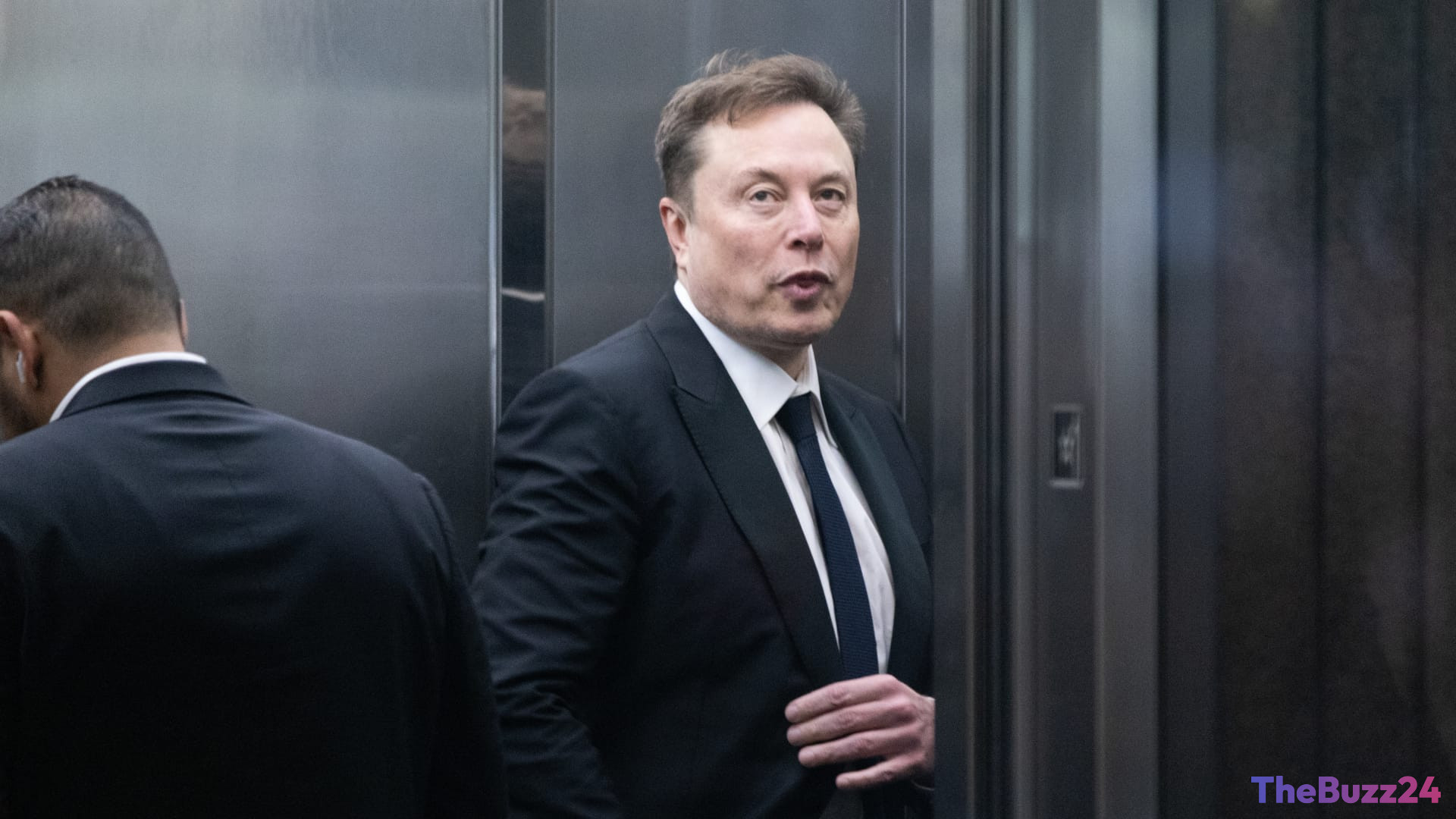
Elon Musk has completed three days of testimony in an Oakland, California federal courtroom, signaling a critical juncture in his ongoing legal challenge against OpenAI. The lawsuit, initiated by the Tesla and SpaceX CEO, targets OpenAI leadership, specifically Sam Altman and Greg Brockman, alleging that the organization abandoned its foundational nonprofit mandate in favor of private financial interests. Musk, a co-founder of the AI research firm, argues that the pivot to a for-profit structure represents a clear breach of the charitable trust and original intent that defined the company’s inception.
During his time on the stand, Musk detailed his early contributions, noting that he provided the initial vision and approximately $38 million in funding to establish OpenAI as a counterbalance to Google’s dominance in the artificial intelligence sector. He asserted that the current leadership team exploited the social capital gained through its nonprofit status to facilitate a multibillion-dollar partnership with Microsoft. Musk contends that this transition effectively converted a public-interest entity into a commercial powerhouse, fundamentally betraying the organization’s original purpose.
Defense counsel pushed back during cross-examination, questioning whether Musk’s legal pursuit is driven by genuine altruism or by competitive interests related to his own AI venture, xAI. Musk rejected these assertions, maintaining that his primary goal is to address the alleged misappropriation of a charitable asset. As the case proceeds under Judge Yvonne Gonzalez Rogers, the court is slated to hear testimony from Altman and Brockman, a development that could lead to significant structural shifts within the broader artificial intelligence industry.
Key Takeaways
- Elon Musk claims OpenAI leadership violated its nonprofit mission by prioritizing commercial gain and a partnership with Microsoft.
- The lawsuit challenges the transition of OpenAI from a charitable research entity to a for-profit enterprise.
- The trial is currently in its liability phase, with upcoming testimony from Sam Altman and Greg Brockman expected to influence the case's trajectory.
Editor’s Analysis & Impact
The legal confrontation between Elon Musk and OpenAI represents a defining moment for the governance of the artificial intelligence sector. As AI firms increasingly pivot from research-oriented nonprofits to massive commercial entities, the industry faces heightened scrutiny regarding ethical obligations and transparency. This case underscores the inherent tension between rapid technological commercialization and the safety-focused mandates that characterized early AI development. A ruling in favor of Musk could establish a legal precedent, compelling other AI organizations to re-examine their corporate structures and fiduciary responsibilities. Regardless of the final verdict, the trial has illuminated the potential conflicts of interest within the current AI arms race, likely accelerating calls for more rigorous regulatory oversight regarding how these influential technologies are governed and monetized moving forward.
Frequently Asked Questions
Q: What is the core argument in Elon Musk's lawsuit against OpenAI?
A: Elon Musk argues that OpenAI's leadership betrayed the company's original nonprofit mission by shifting to a for-profit model to secure private financial gain and a major partnership with Microsoft.
Q: What are the potential implications of this trial for the AI industry?
A: The trial could lead to significant structural changes for OpenAI and may set a legal precedent that forces other AI companies to re-evaluate their corporate governance and fiduciary duties.
AI Disclosure: This article is based on verified data and official reports. Our Team and AI have cross-referenced every financial detail with primary sources to ensure total accuracy.
More from this Category