Transportation Secretary Duffy Rejects Airline Bailout Amid Soaring Fuel Costs
U.S. Transportation Secretary Sean Duffy has stated that the government sees no immediate need to provide a financial bailout to low-cost airlines struggling with escalating jet fuel prices. His remarks come as budget carriers, including Spirit Airlines, face significant financial pressures and have collectively sought $2.5 billion in federal assistance.
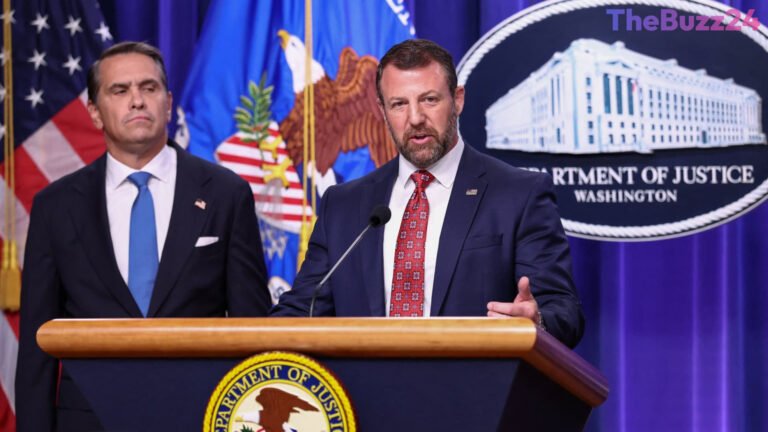
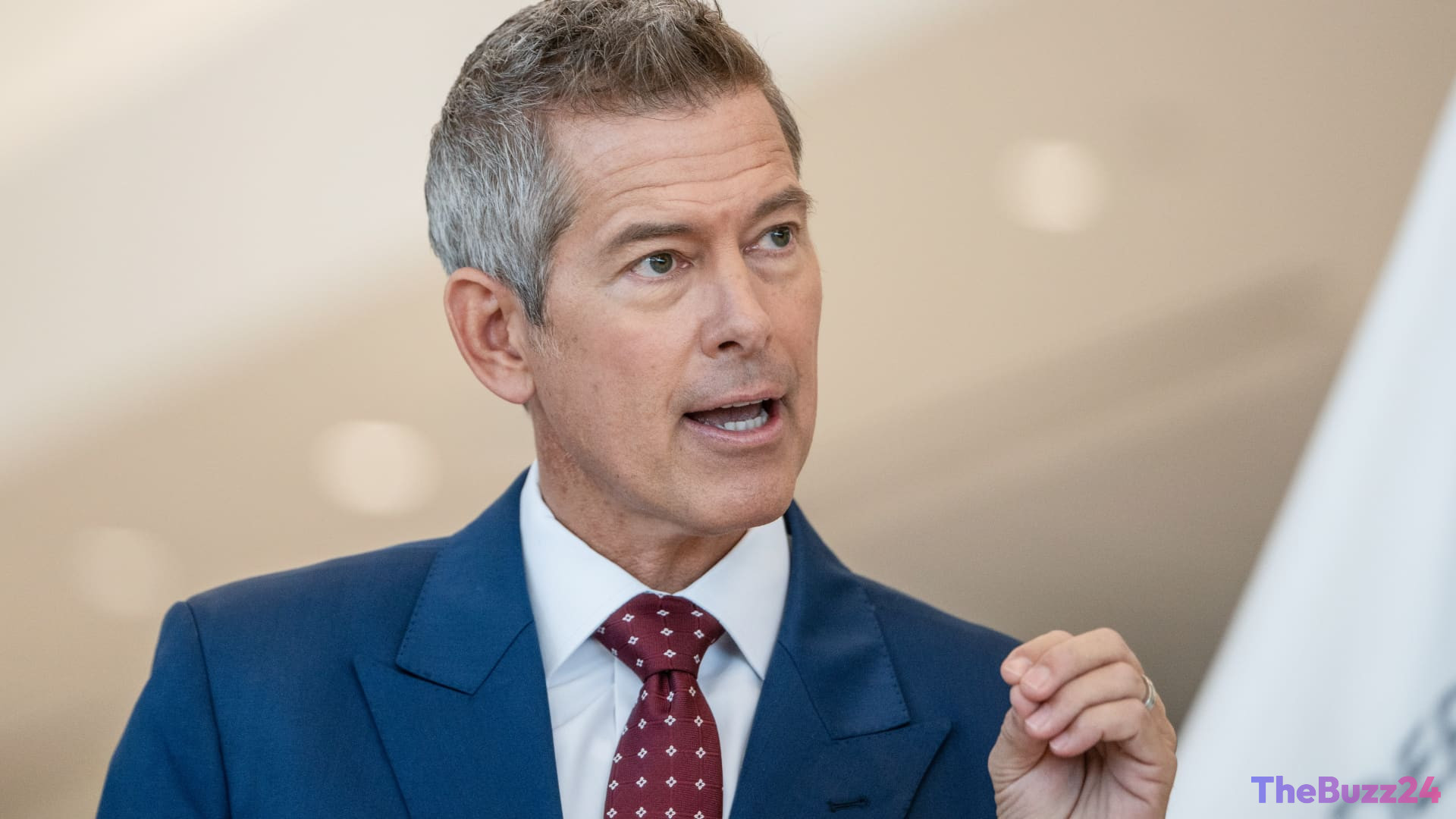
Speaking at a press conference, Secretary Duffy emphasized that airlines currently possess access to private capital. He indicated that while the government could act as a ‘lender of last resort,’ securing funds from private markets would be a more favorable outcome for the carriers. Duffy also noted that the prospect of a bailout for one airline, such as Spirit, was perceived by some other carriers as an opportunity to secure funds based on convenience rather than genuine necessity.
Earlier, a coalition of U.S. budget airlines, including Frontier and Avelo, formally proposed exchanging warrants convertible into equity stakes for $2.5 billion in government aid. The Association of Value Airlines, representing these carriers, appealed to the administration to establish a $2.5 billion liquidity pool. This fund would be specifically allocated to offset the surge in fuel costs, aiming to stabilize operations and maintain affordable airfares during a period of high volatility. Additionally, the group urged Congress to suspend the 7.5% federal excise tax on airline tickets and the $5.30 per segment tax, measures they believe would cover approximately one-third of the increased jet fuel expenses.
The dramatic increase in jet fuel prices, which has reportedly doubled operational costs for some carriers, is squeezing profit margins and pushing financially weaker airlines closer to the brink. However, the proposal for a bailout has met resistance from major U.S. passenger airlines, represented by Airlines for America. This group argued that government intervention would unfairly penalize airlines that have proactively managed increased costs through self-help measures, while rewarding those that have not. They contended that in the long run, sustaining businesses unable to cover their cost of capital harms competition and consumers by making it more difficult for other airlines to compete and attract private investment. The Association of Value Airlines countered this criticism, asserting that the current fuel price surge is an uncontrollable external shock disproportionately affecting their business model, which relies on offering affordable fares to price-sensitive travelers.
Key Takeaways
- U.S. Transportation Secretary Sean Duffy has rejected calls for a government bailout for low-cost airlines, citing their access to private capital.
- A group of budget airlines, including Frontier and Avelo, requested $2.5 billion in government aid and a suspension of federal taxes to offset soaring jet fuel costs.
- Major airlines, represented by Airlines for America, oppose the bailout, arguing it would unfairly reward less disciplined carriers and harm market competition.
Editor’s Analysis & Impact
Secretary Duffy’s firm stance against a government bailout signals a commitment to market-driven solutions within the airline industry. This position could force struggling low-cost carriers to explore more aggressive cost-cutting measures, seek private financing, or potentially lead to consolidation within the sector. While it avoids setting a precedent for government intervention in response to market volatility, it also places significant pressure on airlines already operating on thin margins due to external shocks like fuel price surges. The long-term implications could include a more resilient, albeit potentially smaller, low-cost airline market, or conversely, a reduction in competitive options for consumers if weaker players cannot adapt. This decision underscores a broader governmental philosophy favoring private sector resilience over public subsidies in times of economic strain.
Frequently Asked Questions
Q: Why are low-cost airlines seeking government assistance?
A: Low-cost airlines are seeking government assistance primarily due to a dramatic surge in jet fuel prices, which has reportedly doubled their operational costs. They argue this is an 'uncontrollable, extraordinary external shock' that disproportionately impacts their business model of offering affordable fares.
Q: What is U.S. Transportation Secretary Sean Duffy's position on the bailout request?
A: Secretary Sean Duffy believes a government bailout is not necessary at this time. He asserts that airlines have access to private capital and that the government should only act as a 'lender of last resort,' preferring that carriers secure funds from private markets.
Q: What are the arguments against a government bailout for these airlines?
A: Opponents, including Airlines for America, argue that a bailout would unfairly punish airlines that have proactively managed increased costs and reward those that haven't made tough decisions. They also contend that it harms competition and makes it more difficult for other airlines to attract private-sector capital in the long run.
AI Disclosure: This article is based on verified data and official reports. Our Team and AI have cross-referenced every financial detail with primary sources to ensure total accuracy.
More from this Category