The Warsh Doctrine: Examining the Future of Federal Reserve Independence
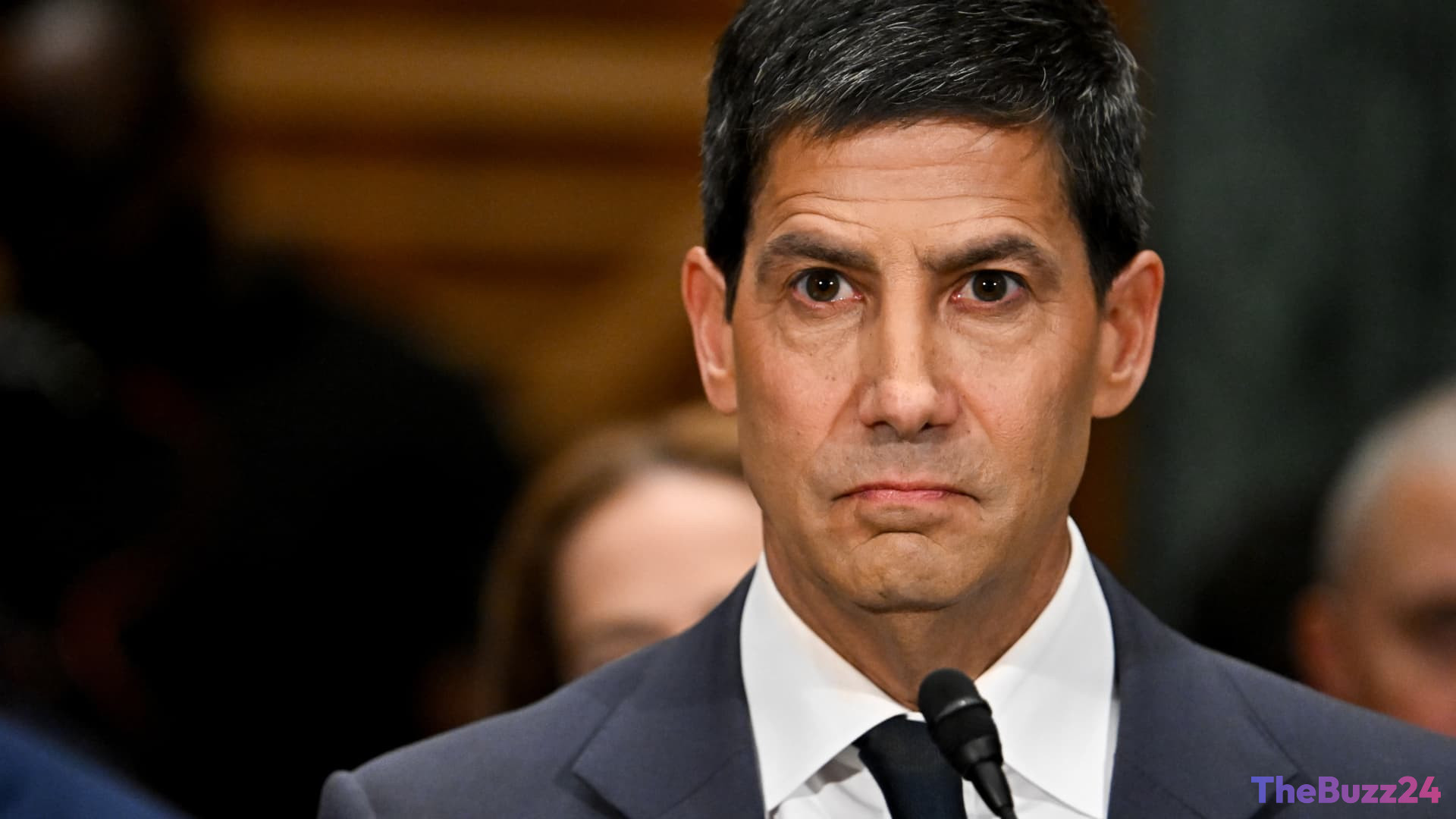
Kevin Warsh, a prominent nominee for the Federal Reserve leadership, has triggered a significant debate among economic experts regarding the future autonomy of the U.S. central bank. While Warsh has consistently championed the necessity of an independent monetary policy, his specific proposals for a new ‘Fed-Treasury accord’ have drawn scrutiny. Observers are closely examining whether his vision for restructuring the Fed’s operational scope serves as a modernization effort or a potential threat to the institution’s ability to navigate financial crises without political interference.
The core of the controversy lies in Warsh’s proposal to distinguish between ‘monetary’ and ‘non-monetary’ functions, such as international finance and credit policy. Critics argue that this distinction is dangerously vague, fearing that a formal agreement with the Treasury could lead to government overreach. There is a growing concern that if the Fed were required to seek Treasury approval for balance sheet interventions, the central bank might be pressured to prioritize political agendas over its primary mandate of ensuring economic stability.
Specific attention has been directed toward the use of currency swap lines, which have traditionally served as vital tools for providing dollar liquidity during global market volatility. Skeptics worry that under a new framework, these tools could be repurposed for geopolitical objectives, such as providing aid to foreign allies, rather than addressing systemic liquidity needs. Former officials warn that transforming the Fed’s balance sheet into an instrument for foreign policy could severely undermine market confidence.
Conversely, some analysts argue that Warsh’s strategy is intended to protect the Fed’s core interest-rate-setting function by offloading peripheral responsibilities that frequently attract political scrutiny. As the Senate confirmation process unfolds, the financial sector remains split. While some proponents welcome a clearer delineation between monetary and credit policy, others caution that any reduction in the Fed’s operational flexibility could leave the economy exposed during future downturns, particularly if the institution loses its ability to act decisively without executive branch coordination.
Key Takeaways
- Kevin Warsh’s proposal for a 'Fed-Treasury accord' has sparked debate over the potential erosion of Federal Reserve independence.
- Critics fear that distinguishing between monetary and non-monetary policy could allow the Treasury to exert undue influence over the Fed's balance sheet.
- There is significant concern that repurposing tools like currency swap lines for political or foreign policy goals could compromise the Fed's core economic mandate.
Editor’s Analysis & Impact
The debate surrounding Kevin Warsh’s potential leadership at the Federal Reserve highlights a fundamental tension between institutional autonomy and political accountability. The ‘Warsh Doctrine’ represents a shift toward a more constrained, rule-based central bank, which appeals to those who believe the Fed has overstepped its bounds in recent years. However, the market implications are profound; any perceived weakening of the Fed’s independence could lead to increased volatility and a loss of investor confidence in the dollar. If the Fed becomes tethered to Treasury objectives, its ability to act as a lender of last resort during crises could be hampered by bureaucratic friction. The long-term outlook suggests that if such a doctrine is adopted, the financial markets may demand a higher risk premium, fearing that monetary policy could become subservient to the fiscal needs of the executive branch.
Frequently Asked Questions
Q: What is the primary concern regarding Kevin Warsh's proposed 'Fed-Treasury accord'?
A: The primary concern is that a formal agreement could grant the Treasury undue influence over the Federal Reserve's balance sheet, potentially forcing the central bank to prioritize political objectives over economic stability.
Q: Why are currency swap lines a point of contention in this debate?
A: Currency swap lines are traditionally used to provide liquidity during market disruptions. Critics worry that under Warsh's proposal, these tools could be repurposed for foreign policy or political aid, which could undermine the Fed's core mandate.
AI Disclosure: This article is based on verified data and official reports. Our Team and AI have cross-referenced every financial detail with primary sources to ensure total accuracy.
More from this Category