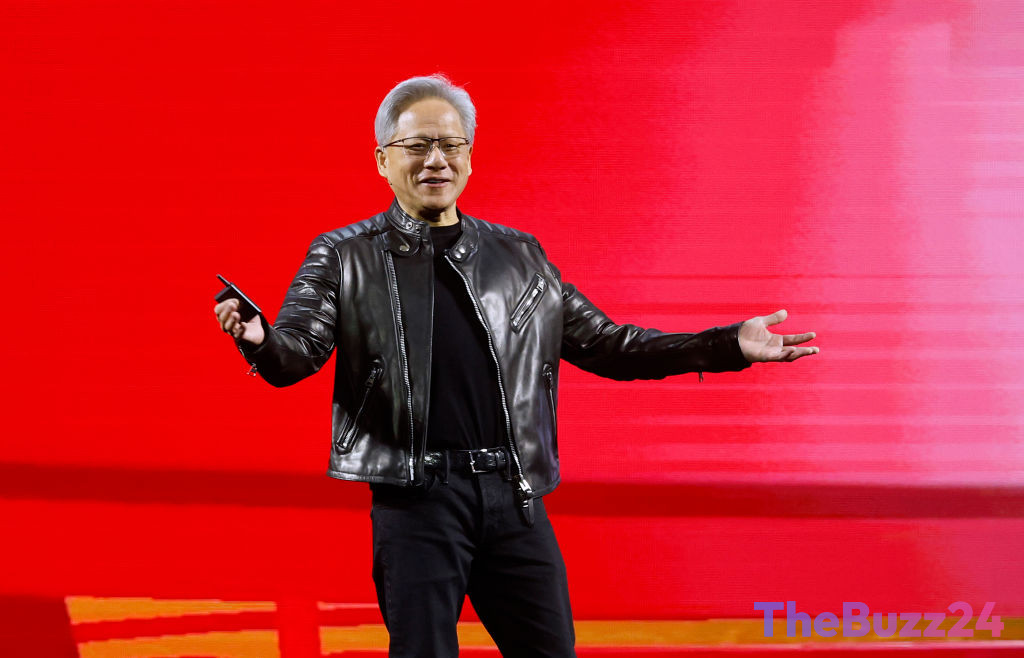
Nvidia CEO Jensen Huang Challenges Narrative of AI-Driven Job Displacement
Nvidia CEO Jensen Huang is pushing back against the prevailing narrative that artificial intelligence will inevitably lead to mass unemployment. During a recent economic policy discussion, Huang argued that the technology should be viewed as a catalyst for economic expansion and re-industrialization rather than a threat to the human workforce. He emphasized that the massive infrastructure requirements needed to support AI systems will necessitate a significant increase in human labor for construction, maintenance, and operational oversight.
Addressing the anxiety surrounding automation, Huang clarified the distinction between automating specific tasks and replacing entire professional roles. He suggested that while AI can streamline individual workflows and increase efficiency, it does not inherently eliminate the necessity of a human employee’s broader function within an organization. Huang noted that public panic is often fueled by a misunderstanding of this distinction, which could potentially hinder the adoption of beneficial technologies.
Furthermore, the Nvidia executive warned that alarmist rhetoric, which he likened to science fiction, risks creating a societal backlash that could stifle innovation. While various economic forecasts have predicted significant workforce displacement due to AI integration, Huang remains steadfast in his belief that the sector represents a unique opportunity for growth. As the debate continues, the challenge for policymakers and industry leaders remains balancing the pursuit of productivity gains with the need to address legitimate concerns regarding labor market stability.
Key Takeaways
- Jensen Huang argues that AI infrastructure development will create new demand for human labor rather than causing mass job loss.
- The CEO distinguishes between automating specific tasks and replacing entire job roles, suggesting that AI serves as a tool for efficiency rather than a total replacement.
- Huang warns that alarmist narratives regarding AI could lead to a societal backlash that stifles technological innovation and economic growth.
Editor’s Analysis & Impact
Jensen Huang’s perspective highlights a critical divide in the current discourse surrounding artificial intelligence. While the tech industry maintains an optimistic view of AI as a productivity multiplier, the broader labor market remains cautious about the speed of transition. The implication here is that the ‘AI revolution’ will likely mirror previous industrial shifts, where the nature of work evolves rather than disappears. However, the transition period poses significant risks, particularly regarding the speed at which the workforce can be reskilled. If industry leaders fail to bridge the gap between technological deployment and workforce adaptation, the societal backlash Huang fears could manifest in restrictive regulations. Ultimately, the future of AI adoption will depend not just on technical capability, but on the industry’s ability to demonstrate tangible, inclusive economic benefits that mitigate the fear of obsolescence.
Frequently Asked Questions
Q: Does Jensen Huang believe AI will cause mass unemployment?
A: No, Huang argues that AI will act as an engine for job creation, particularly in the infrastructure and maintenance sectors required to support the technology.
Q: What is the primary distinction Huang makes regarding AI and jobs?
A: Huang distinguishes between automating specific, repetitive tasks and replacing an entire professional role, arguing that AI is a tool to assist employees rather than a replacement for their total function.
AI Disclosure: This article is based on verified data and official reports. Our Team and AI have cross-referenced every financial detail with primary sources to ensure total accuracy.
More from this Category