OpenAI Debuts GPT-5.5 Instant as New Default Engine for ChatGPT
OpenAI has officially transitioned its flagship ChatGPT platform to a new foundation model, GPT-5.5 Instant. This upgrade replaces the previous GPT-5.3 Instant iteration, aiming to deliver a more reliable user experience by significantly reducing hallucinations in high-stakes fields such as medicine, law, and finance. Despite these accuracy improvements, the model maintains the rapid response times that have become a hallmark of the ‘Instant’ series.
Performance metrics indicate a substantial technical advancement. In the AIME 2025 mathematics assessment, the new model achieved a score of 81.2, marking a major improvement over the 65.4 recorded by its predecessor. Furthermore, multimodal reasoning capabilities have been enhanced, with the model scoring 76 on the MMMU-Pro benchmark, up from 69.2. These gains are supported by broader architectural improvements in coding and knowledge processing that were introduced in the wider GPT-5.5 series last month.
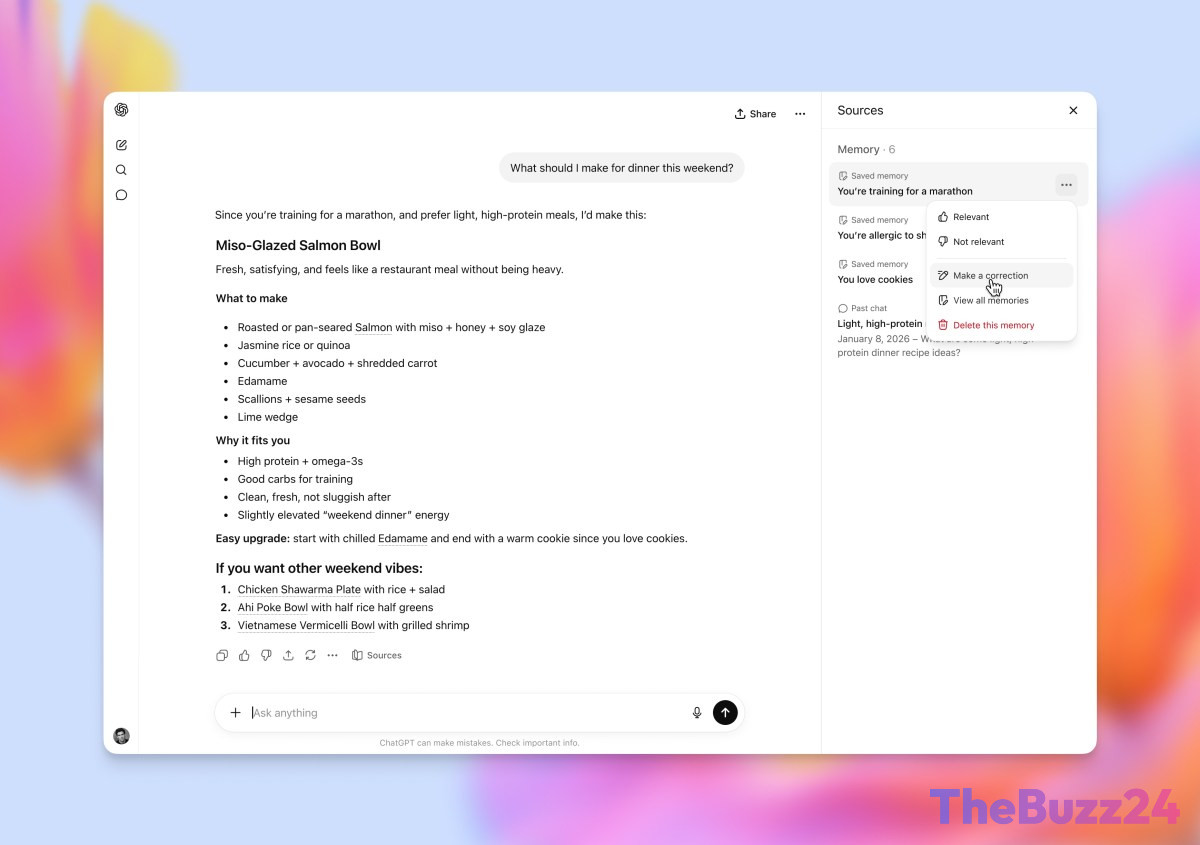
In addition to raw processing power, the update introduces enhanced context management features. ChatGPT can now integrate search capabilities to reference historical conversations, uploaded documents, and email data, resulting in more personalized interactions. To improve trust, the interface now includes a transparency feature that displays the specific memory sources used to generate an answer, allowing users to verify or manage their data. While currently available to Plus and Pro subscribers, OpenAI intends to roll out these features to free, business, and enterprise users soon.
For developers, the model is now available via the API under the ‘chat-latest’ designation. While the legacy GPT-5.3 model remains temporarily available for paid users, OpenAI plans to retire it within the next three months. This shift continues the company’s established cycle of model updates, which often prompts adjustments for users accustomed to the specific conversational nuances of previous versions.
Key Takeaways
- GPT-5.5 Instant is now the default model for ChatGPT, offering improved accuracy and reduced hallucinations.
- The model shows significant performance gains in mathematics and multimodal reasoning benchmarks.
- New transparency features allow users to view and manage the specific data sources used to generate responses.
Editor’s Analysis & Impact
The release of GPT-5.5 Instant signals a strategic shift toward reliability and data transparency, which are critical for enterprise adoption. By focusing on reducing hallucinations in sensitive sectors like law and medicine, OpenAI is positioning its tools as professional-grade infrastructure rather than just creative assistants. The integration of source-tracking features is a direct response to growing concerns regarding AI accountability and data privacy. From a market perspective, the rapid deprecation of older models forces developers to maintain agile workflows, ensuring the ecosystem remains unified under the latest performance standards. As OpenAI expands these capabilities to business and enterprise tiers, the company is likely to capture a larger share of the corporate market, provided they can maintain the balance between high-speed performance and the nuanced conversational quality that users have come to expect.
Frequently Asked Questions
Q: What happens to the previous GPT-5.3 model?
A: The GPT-5.3 model remains available for paid users for a transition period, but it is scheduled to be phased out completely within three months.
Q: Can I see where ChatGPT gets its information from?
A: Yes, the new update includes a transparency feature that displays memory sources for generated answers, allowing users to verify, edit, or remove specific data points.
AI Disclosure: This article is based on verified data and official reports. Our Team and AI have cross-referenced every financial detail with primary sources to ensure total accuracy.
More from this Category