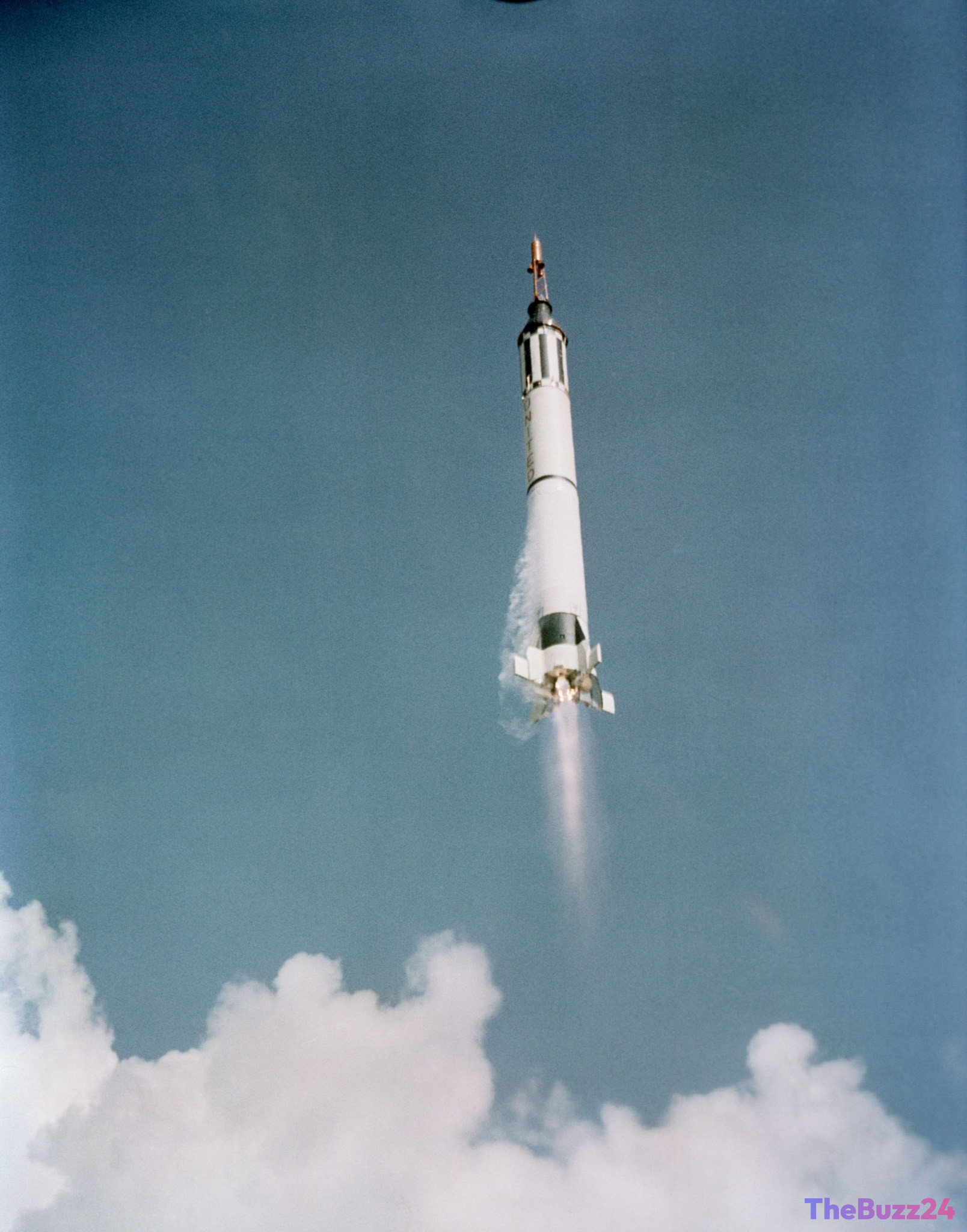
Six Decades of Discovery: Honoring the Legacy of America’s First Human Spaceflight
The trajectory of American space exploration was fundamentally altered on May 5, 1961, when Alan B. Shepard Jr. successfully completed the nation’s first human spaceflight. Launching from Cape Canaveral, Florida, aboard the Freedom 7 capsule, Shepard’s 15-minute suborbital mission reached an altitude of 116 miles. This historic flight not only proved that humans could survive the rigors of space travel but also served as the essential catalyst for the rapid technological acceleration that defined the 1960s space race.
As the aerospace industry commemorates the 65th anniversary of this achievement, the foundational contributions of Project Mercury and Project Gemini remain evident. These early programs were defined by an aggressive pace of innovation, forcing engineers and pilots to overcome unprecedented technical challenges. The data gathered during these initial suborbital and orbital missions provided the critical engineering framework that eventually enabled the Apollo program to land humans on the Moon less than a decade later.
In the modern era, the spirit of those early pioneers is being channeled into the Artemis program. By focusing on returning humans to the lunar surface and establishing a sustainable, long-term presence, current space initiatives are building directly upon the groundwork laid by Shepard and his contemporaries. This commitment to deep space exploration continues to evolve, ensuring that the lessons learned during the dawn of the space age remain central to the future of human discovery beyond Earth’s orbit.
Key Takeaways
- Alan B. Shepard Jr.'s 1961 flight marked the beginning of the U.S. human spaceflight program, proving the viability of space travel.
- The rapid technological advancements of Project Mercury and Project Gemini were essential precursors to the success of the Apollo lunar missions.
- Current Artemis missions are utilizing the foundational knowledge from early space exploration to establish a sustainable human presence on the Moon.
Editor’s Analysis & Impact
The 65th anniversary of Alan Shepard’s flight serves as a poignant reminder of the cyclical nature of space policy and technological ambition. The transition from the ‘pioneering’ era of the 1960s to the ‘sustainability’ era of the Artemis program highlights a shift in industry priorities: moving from proving capability to establishing permanent infrastructure. This evolution is critical for the commercialization of space, as the lessons learned in early orbital mechanics and life support systems now underpin the private-public partnerships driving modern aerospace. The broader implication is that the Moon is no longer just a destination for exploration, but a strategic hub for future deep-space missions to Mars and beyond. As private sector involvement grows, the historical precedent of rapid innovation remains the gold standard for current aerospace development.
Frequently Asked Questions
Q: What was the significance of Alan B. Shepard Jr.'s 1961 flight?
A: It was the first time an American traveled into space, proving that human spaceflight was possible and setting the stage for the Apollo lunar missions.
Q: How does the current Artemis program relate to early space missions?
A: The Artemis program builds upon the engineering insights and data gathered during the Mercury, Gemini, and Apollo programs to establish a sustainable human presence on the Moon.
AI Disclosure: This article is based on verified data and official reports. Our Team and AI have cross-referenced every financial detail with primary sources to ensure total accuracy.
More from this Category