Debunking the Myth: Defense Secretary Dismisses Rumors of Weaponized Marine Mammals in Iran
Secretary of Defense Pete Hegseth has officially addressed and dismissed circulating rumors regarding the existence of ‘kamikaze dolphins’ allegedly deployed by Iran. During a recent press briefing, Hegseth clarified that there is no evidence to support claims that Iran possesses marine mammals trained to carry explosives into U.S. warships. This clarification comes amid rising tensions in the Strait of Hormuz, where the U.S. is currently engaged in ‘Project Freedom’ to support maritime navigation.
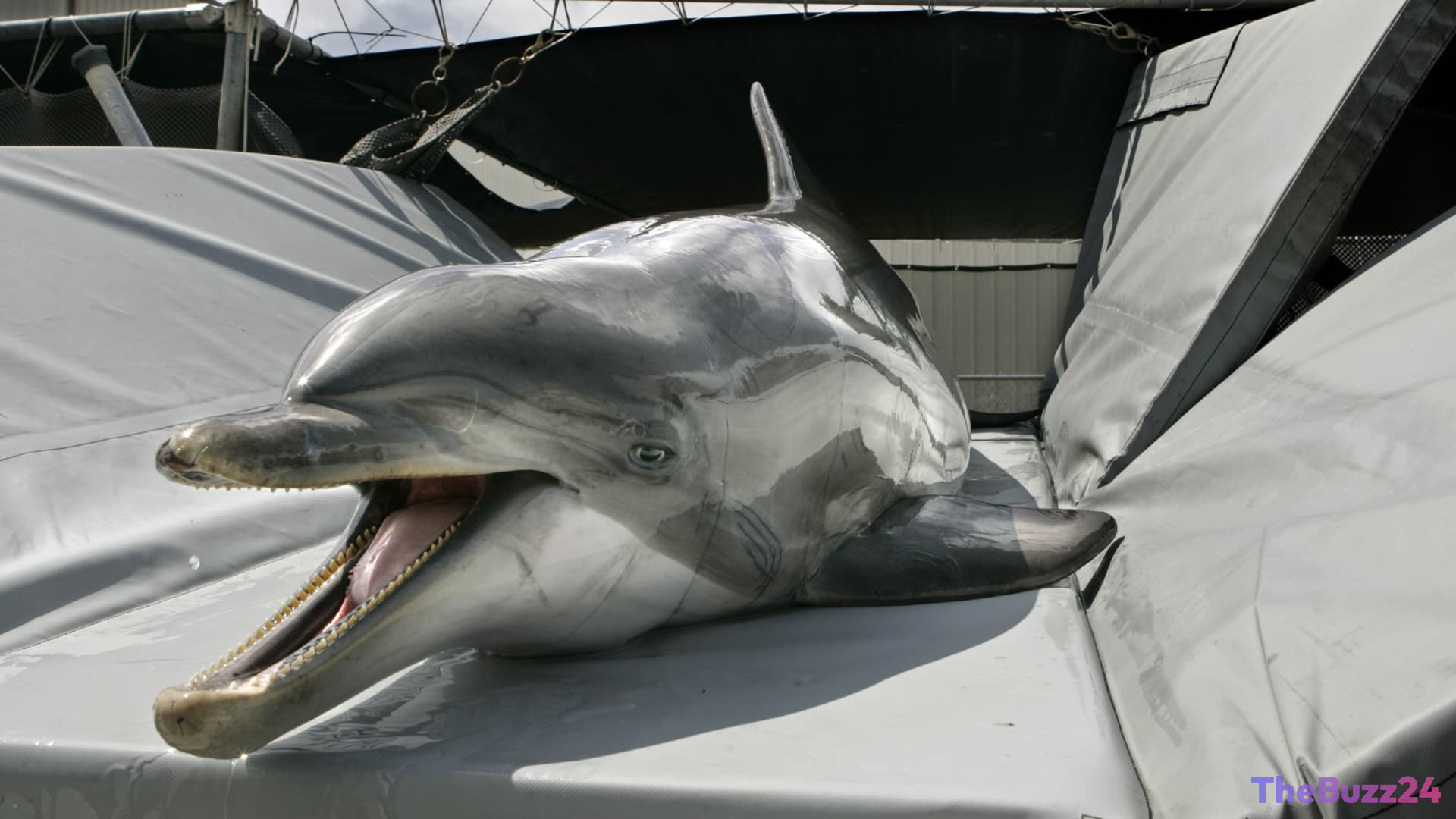
While the concept of weaponized marine life often captures public imagination, the reality of military animal programs is focused on non-combat roles. Since 1959, the U.S. Navy has maintained a Marine Mammal Program that leverages the natural biological sonar and underwater vision of bottlenose dolphins and California sea lions. These animals are primarily trained for defensive tasks, such as detecting underwater mines, conducting surveillance, and recovering lost equipment, rather than offensive weaponry.
Historical precedents for such programs exist, notably within Russia, which has historically employed dolphins for harbor security. However, experts emphasize that these programs require intensive, long-term training to ensure effective coordination between human handlers and the animals. While the use of marine mammals in conflict zones remains a subject of ethical debate, the programs maintain that the animals receive high standards of care, including positive reinforcement and regular exercise.
Key Takeaways
- Secretary of Defense Pete Hegseth confirmed that Iran does not possess 'kamikaze dolphins' capable of attacking U.S. warships.
- The U.S. Navy's Marine Mammal Program focuses exclusively on non-lethal tasks like mine detection and equipment recovery.
- Military marine mammal programs utilize biological sonar that can often exceed the capabilities of current electronic systems.
Editor’s Analysis & Impact
The recent rumors regarding weaponized marine mammals highlight the intersection of geopolitical tension and modern misinformation. While the idea of ‘kamikaze dolphins’ makes for compelling headlines, the reality of naval defense is far more technical and controlled. The U.S. Navy’s reliance on marine mammals is a strategic choice based on biological efficiency, particularly in detecting underwater threats that electronic sensors might miss. As maritime tensions rise in regions like the Strait of Hormuz, the distinction between actual military capabilities and speculative rumors becomes crucial for maintaining stability. Looking ahead, the defense industry will likely continue to balance the use of biological assets with the development of autonomous underwater vehicles, all while navigating the increasing ethical scrutiny regarding animal welfare in military applications.
Frequently Asked Questions
Q: Does the U.S. military use dolphins for offensive attacks?
A: No, the U.S. Navy's Marine Mammal Program is strictly limited to defensive and support tasks like mine detection, surveillance, and equipment recovery.
Q: Why are dolphins used in naval operations instead of just technology?
A: Dolphins possess highly advanced biological sonar and underwater vision that can often detect objects and navigate murky waters more effectively than many man-made electronic systems.
AI Disclosure: This article is based on verified data and official reports. Our Team and AI have cross-referenced every financial detail with primary sources to ensure total accuracy.
More from this Category