OpenAI President Disputes Musk’s Narrative in High-Stakes Legal Showdown
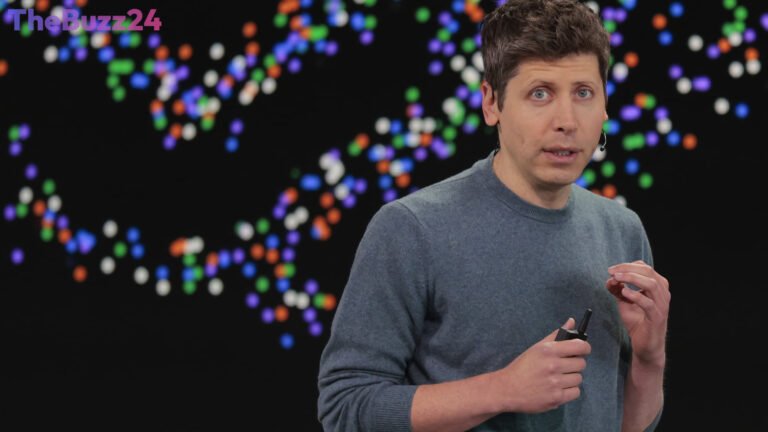
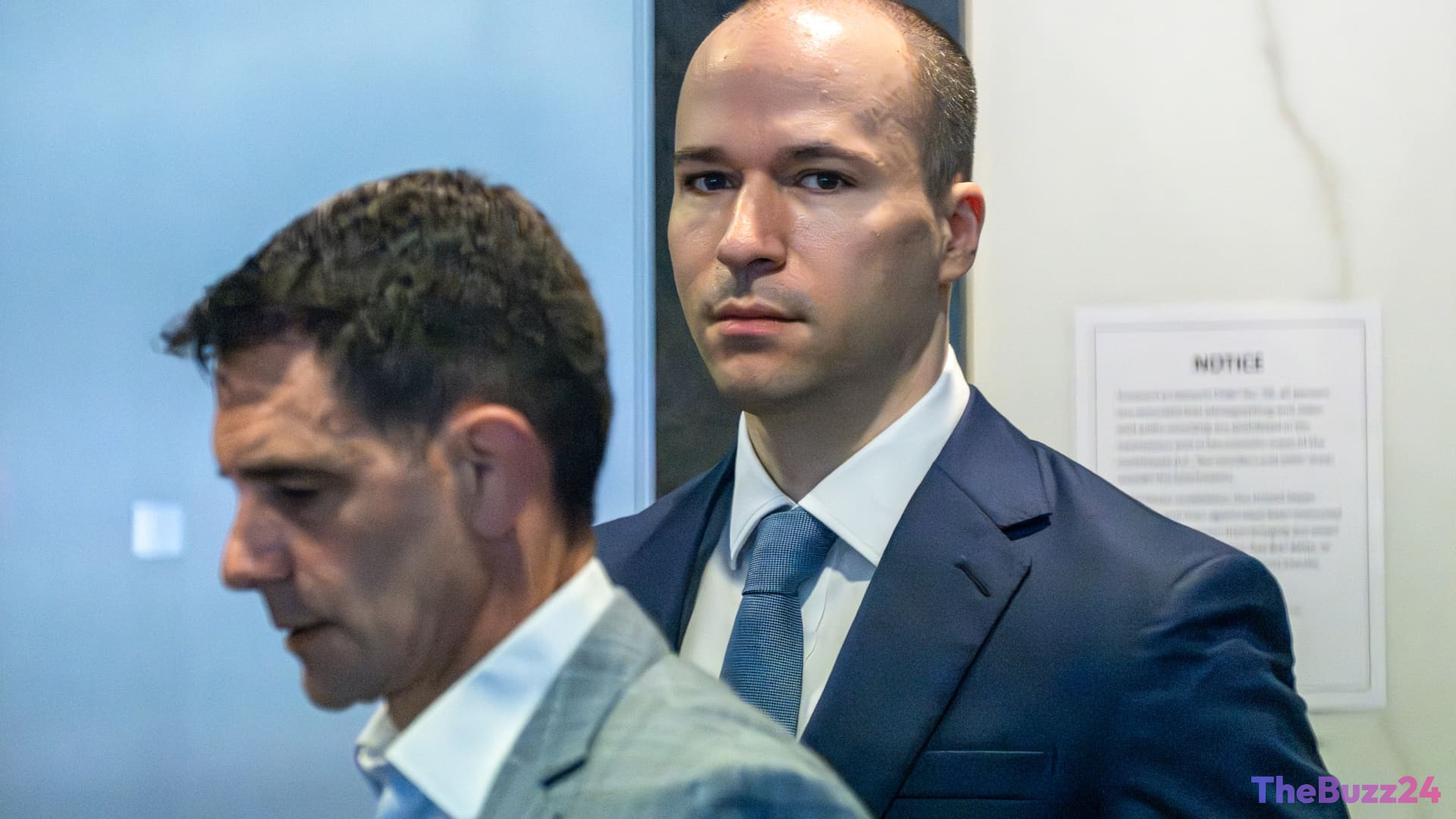
The legal conflict between Elon Musk and OpenAI intensified this week as President Greg Brockman took the stand to challenge Musk’s account of the artificial intelligence firm’s formative years. Brockman’s testimony directly countered claims that the organization had strayed from its foundational nonprofit mission, asserting that OpenAI remains a dedicated nonprofit entity with unprecedented resources. This defense comes in response to Musk’s allegations that the company abandoned its original charitable goals in favor of commercial interests.
Beyond the structural debate, Brockman revealed details regarding Musk’s utilization of OpenAI personnel for his other business ventures. According to the testimony, Musk directed several OpenAI employees to dedicate months of unpaid labor to Tesla in 2017. This work was reportedly aimed at accelerating the development of Tesla’s self-driving software and Autopilot technology. Brockman noted that while Musk’s profile helped draw initial interest from researchers, his management style created a polarizing environment that hindered some recruitment efforts.
The courtroom proceedings also shed light on the internal friction surrounding OpenAI’s transition toward a hybrid corporate model. Brockman described a volatile atmosphere during negotiations over a for-profit subsidiary, alleging that Musk reacted with hostility when the topic of equity stakes was introduced. Brockman suggested that Musk’s push for absolute control was rooted in his previous experiences at companies like Zip2 and SolarCity, as well as his broader ambitions to fund large-scale projects, including his long-term vision for Mars colonization.
As the trial progresses, legal teams are scrutinizing the governance history of the AI giant. While Musk’s counsel questioned Brockman regarding his own financial stake in the company’s for-profit arm, Brockman maintained that his primary motivation remains the organization’s original mission. The ongoing litigation highlights the complex intersection of corporate governance, personal ambition, and the rapid evolution of artificial intelligence.
Key Takeaways
- Greg Brockman testified that OpenAI remains a nonprofit, refuting claims that the company abandoned its charitable mission.
- Evidence presented suggests Musk utilized OpenAI employees for unpaid work on Tesla's Autopilot software in 2017.
- Internal tensions regarding corporate structure and equity were reportedly driven by Musk's desire for control and his external business ambitions.
Editor’s Analysis & Impact
The legal battle between Elon Musk and OpenAI serves as a critical case study in the governance of high-stakes AI development. The testimony highlights the inherent friction between the ‘nonprofit’ ethos of early AI research and the massive capital requirements needed to scale large language models. By bringing internal disputes into the public record, the trial exposes the challenges of maintaining mission-driven integrity when individual personalities and commercial interests collide. The outcome of this case could set a significant precedent for how AI startups structure their governance, manage intellectual property, and handle the transition from research-focused entities to industry-dominating corporations. Investors and industry observers should monitor this closely, as it may influence future regulatory scrutiny regarding the ‘nonprofit-to-for-profit’ pivot model common in the tech sector.
Frequently Asked Questions
Q: What is the core of the legal dispute between Elon Musk and OpenAI?
A: The dispute centers on whether OpenAI has abandoned its original nonprofit mission and charitable goals in favor of commercial profit, a claim that OpenAI leadership denies.
Q: What specific allegations did Greg Brockman make regarding Tesla?
A: Brockman testified that in 2017, Elon Musk utilized OpenAI employees to perform months of unpaid work to assist with the development of Tesla's self-driving and Autopilot software.
AI Disclosure: This article is based on verified data and official reports. Our Team and AI have cross-referenced every financial detail with primary sources to ensure total accuracy.
More from this Category