Beijing Demands Reopening of Strait of Hormuz as Global Energy Tensions Mount
Chinese Foreign Minister Wang Yi has issued a formal call for the immediate reopening of the Strait of Hormuz, labeling the restoration of safe maritime navigation as a vital necessity for global stability. The appeal was delivered during a high-level diplomatic summit in Beijing with Iranian Foreign Minister Abbas Araqchi, signaling China’s growing concern over the prolonged disruption of one of the world’s most critical energy transit corridors.
During the discussions, Wang emphasized that securing a comprehensive and lasting ceasefire is the most pressing objective to prevent further regional escalation. China, which relies heavily on Iranian crude oil imports, has expressed deep concern over the current blockades enforced by both the United States and Iran. Beijing has characterized these ongoing restrictions as dangerous and counterproductive to existing diplomatic agreements, urging both Washington and Tehran to pivot away from military posturing toward constructive dialogue.
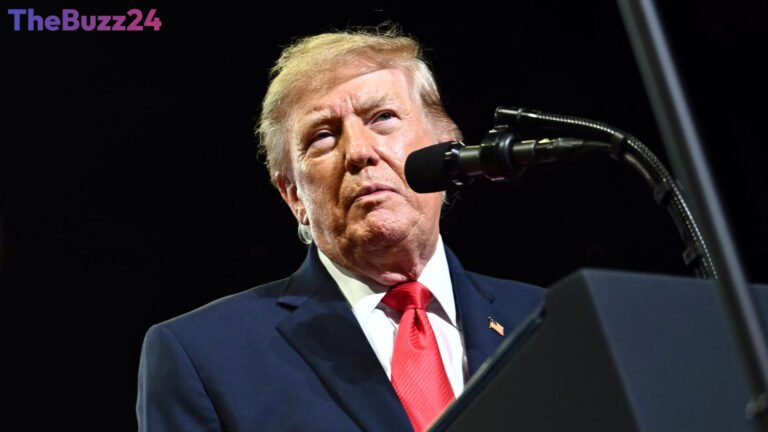
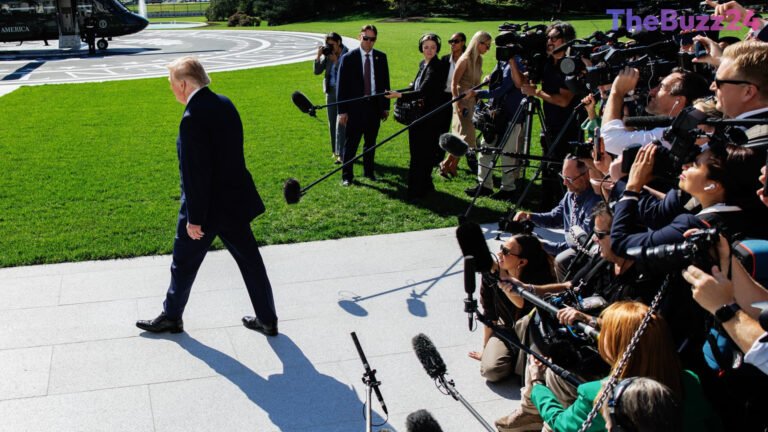
The diplomatic initiative arrives at a critical juncture, preceding a highly anticipated summit between U.S. President Donald Trump and Chinese leader Xi Jinping. This meeting is widely viewed as a potential turning point for addressing the broader conflict and the status of the Strait. As global energy markets remain highly volatile due to the restricted passage of oil supplies, the international community is closely monitoring these high-level talks for signs of a breakthrough that could restore stability to the region.
Key Takeaways
- China has formally called for the immediate reopening of the Strait of Hormuz to restore global energy security.
- The blockade, enforced by both U.S. and Iranian forces, is viewed by Beijing as a major obstacle to regional peace and economic stability.
- The upcoming summit between President Donald Trump and President Xi Jinping is expected to be a pivotal moment for resolving the maritime crisis.
Editor’s Analysis & Impact
The situation in the Strait of Hormuz represents a significant flashpoint for the global economy, as the corridor serves as a primary artery for international oil shipments. China’s active diplomatic intervention highlights its dual role as a major energy consumer and a strategic mediator. By positioning itself as a proponent of de-escalation, Beijing is attempting to protect its economic interests while simultaneously expanding its geopolitical influence. The outcome of the upcoming U.S.-China summit will likely dictate whether the region moves toward a diplomatic resolution or deeper military entrenchment. If the blockade persists, the resulting supply chain disruptions could trigger sustained inflation in energy prices, forcing other global powers to reconsider their own diplomatic stances regarding the conflict.
Frequently Asked Questions
Q: Why is the Strait of Hormuz important to the global economy?
A: The Strait of Hormuz is a critical maritime chokepoint through which a significant portion of the world's total oil production passes daily, making it essential for global energy security.
Q: What is China's primary motivation for intervening in the Strait of Hormuz dispute?
A: China is a major importer of Iranian crude oil and relies on the stability of the Strait to maintain its energy supply chain and prevent broader regional instability that could harm its economic interests.
AI Disclosure: This article is based on verified data and official reports. Our Team and AI have cross-referenced every financial detail with primary sources to ensure total accuracy.
More from this Category