Housing Market Stalls as Mortgage Rates Climb to Monthly Peak
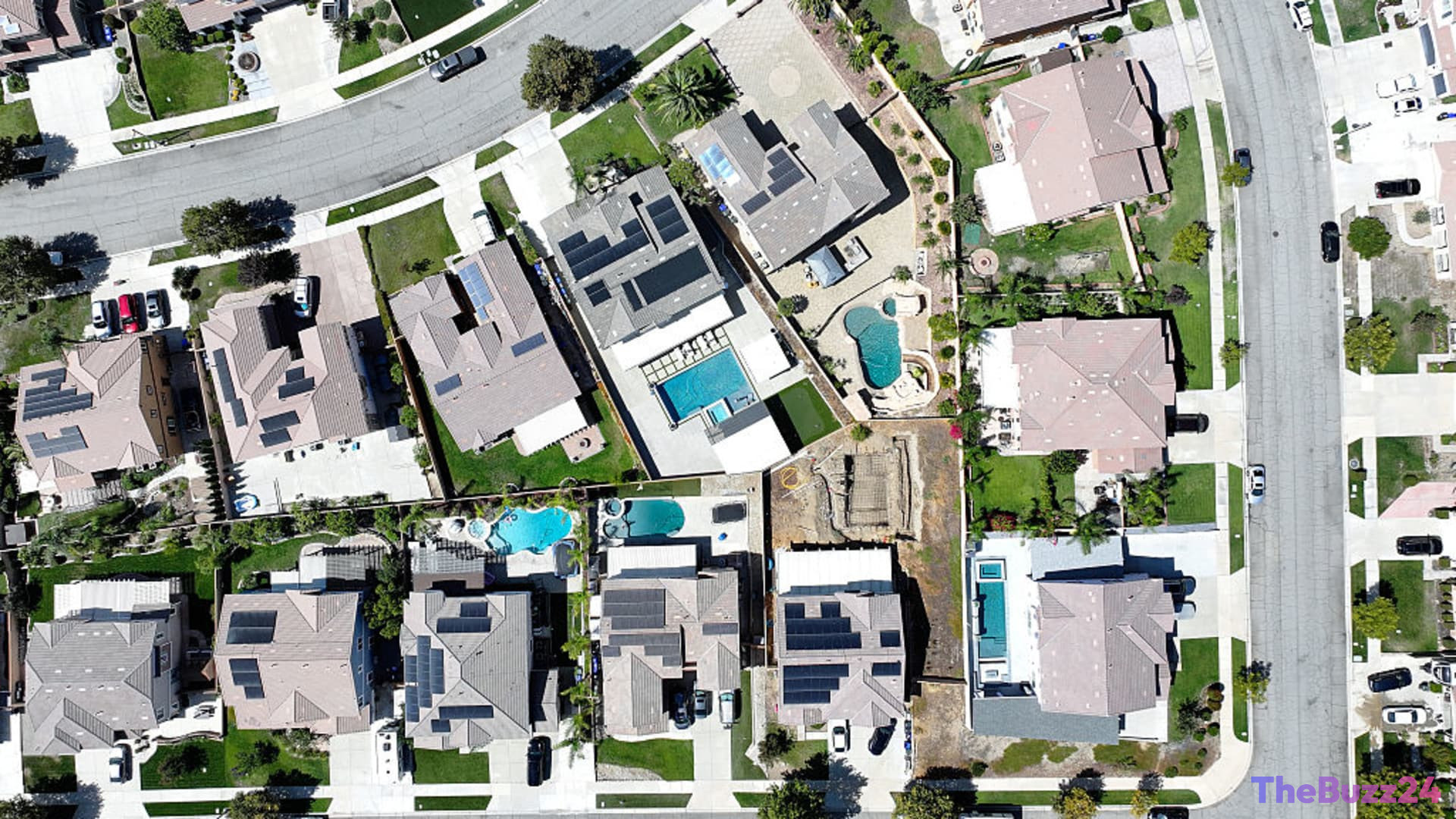
The residential real estate market is grappling with renewed headwinds as mortgage rates reach their highest levels in over a month. The average contract interest rate for a 30-year fixed-rate mortgage has climbed to 6.45%, marking a notable increase from the previous week’s 6.37%. This rise in borrowing costs has had an immediate impact on market activity, resulting in a 4.4% decline in total mortgage application volume.
Affordability continues to be the primary barrier for those looking to enter the housing market. Data shows that purchase applications have dipped by 4%, while the average loan size for these applications has surged to a record high of $467,300. This shift suggests that entry-level buyers are increasingly finding themselves priced out of the market, forcing many to delay their homeownership plans until economic conditions stabilize.
Refinancing activity has also felt the pressure, recording a 5% decline over the past week. Although demand for refinancing remains elevated compared to the same period last year, the momentum is rapidly fading as interest rates continue their upward trend. Industry observers are now closely monitoring upcoming government employment data, which is expected to influence future mortgage rate volatility and provide further clarity on the broader economic outlook.
Key Takeaways
- The average 30-year fixed mortgage rate has risen to 6.45%, leading to a 4.4% drop in total mortgage applications.
- First-time homebuyers are increasingly sidelined as the average loan size for purchase applications hits a record $467,300.
- Refinancing activity has declined by 5% as the interest rate gap between current levels and previous periods continues to narrow.
Editor’s Analysis & Impact
The recent spike in mortgage rates highlights the fragile state of the housing market, which remains highly sensitive to interest rate fluctuations. As borrowing costs rise, the widening gap between home prices and buyer purchasing power is creating a significant affordability crisis. This trend is particularly concerning for the entry-level segment, which is essential for market liquidity. Looking ahead, the housing sector will likely remain in a state of stagnation until there is a clear signal from the broader economy regarding inflation and employment. If rates remain elevated, we can expect a continued cooling in transaction volumes and a potential shift in seller behavior as the market adjusts to a ‘higher for longer’ interest rate environment. Investors and prospective buyers should prepare for continued volatility as the market reacts to incoming macroeconomic data.
Frequently Asked Questions
Q: Why are mortgage rates currently rising?
A: Mortgage rates are influenced by broader economic factors, including inflation expectations and government employment data, which have recently pushed borrowing costs upward.
Q: How does the rise in mortgage rates affect first-time homebuyers?
A: Higher rates increase monthly mortgage payments, making it significantly more expensive to finance a home. This often prices out entry-level buyers who are already struggling with high home prices.
AI Disclosure: This article is based on verified data and official reports. Our Team and AI have cross-referenced every financial detail with primary sources to ensure total accuracy.
More from this Category