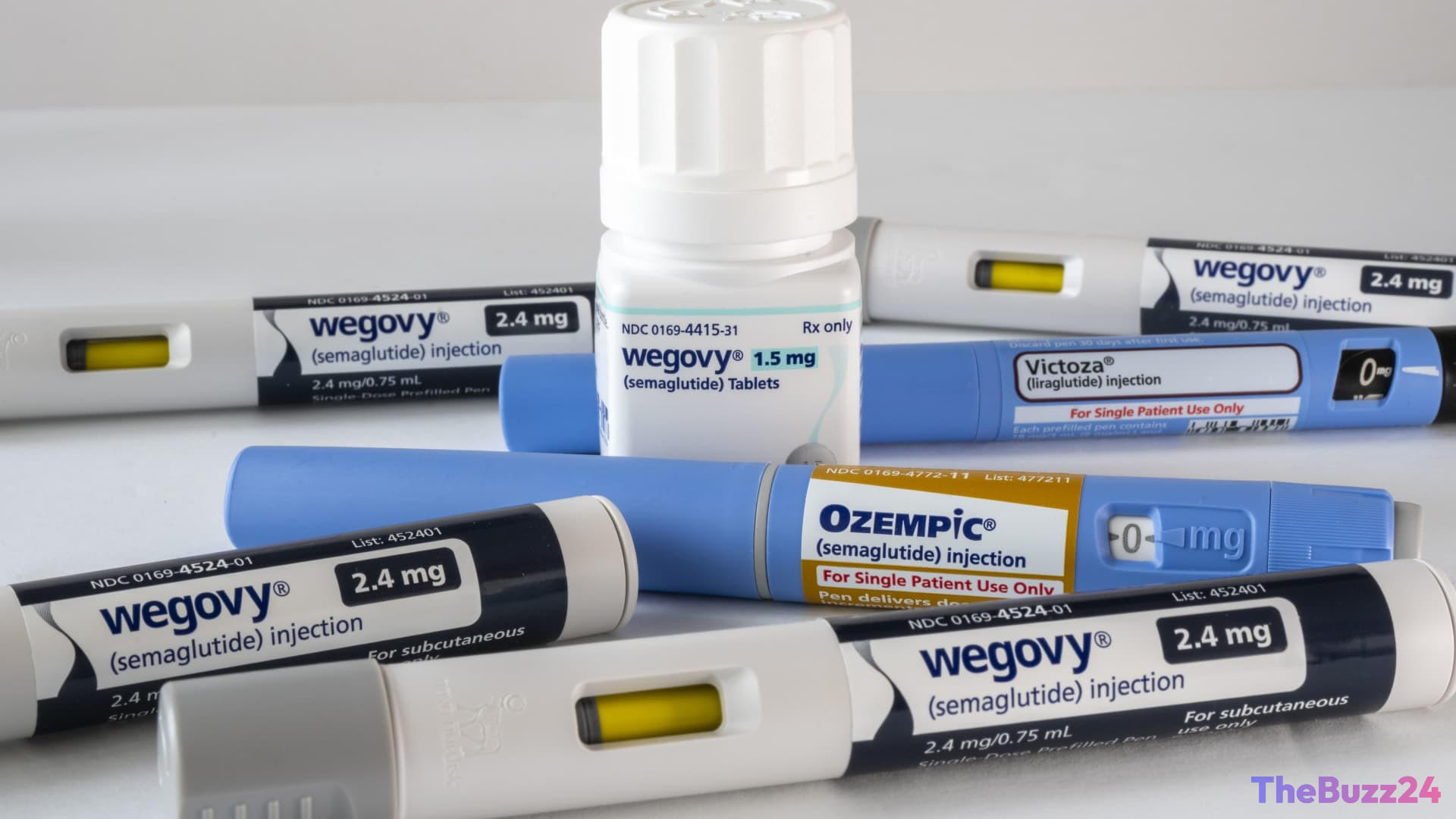
Novo Nordisk Shares Rally as Wegovy Oral Pill Shatters Sales Projections
Novo Nordisk has experienced a significant market boost, with shares climbing nearly 7% following a stellar first-quarter performance. The primary catalyst for this growth is the highly successful U.S. rollout of the oral version of its weight-loss medication, Wegovy. The company reported that sales for the oral treatment reached 2.26 billion Danish kroner, nearly doubling the 1.16 billion kroner figure anticipated by market analysts. With roughly 1.3 million prescriptions processed in the first quarter alone, the drug has secured a commanding 65% share of new prescriptions within the U.S. market.
Overall financial health for the pharmaceutical firm remains strong, with total first-quarter sales rising 32% on a constant currency basis to 96.8 billion Danish kroner. Operating income also saw a substantial surge of 65%, prompting the company to revise its 2026 full-year guidance upward. Looking ahead, Novo Nordisk is preparing to expand the availability of its oral Wegovy treatment to international markets in the latter half of 2026, contingent upon receiving the necessary regulatory clearances.
Despite increasing competition from rivals like Eli Lilly and its obesity treatment Foundayo, Novo Nordisk leadership remains confident in its product strategy. Executives argue that the company’s diverse portfolio of oral and injectable treatments creates a synergistic effect rather than internal competition. While some analysts maintain a cautious outlook on long-term market saturation, the current momentum of the Wegovy brand has significantly bolstered investor confidence as the company vies for leadership in a global weight-loss market expected to reach $100 billion by 2030.
Key Takeaways
- Novo Nordisk shares rose nearly 7% following a first-quarter report that significantly beat earnings expectations.
- The oral version of Wegovy captured 65% of new U.S. prescriptions, generating 2.26 billion Danish kroner in sales.
- The company has raised its 2026 financial guidance and plans to expand oral Wegovy distribution to international markets later this year.
Editor’s Analysis & Impact
The pharmaceutical sector is currently witnessing a gold rush in the obesity and metabolic health space, with Novo Nordisk positioning itself as a dominant force. The success of the oral Wegovy pill is a critical development, as it lowers the barrier to entry for patients who may be hesitant to use injectable treatments. This shift toward oral administration could fundamentally change the competitive landscape, forcing rivals to accelerate their own R&D pipelines. While the $100 billion market projection provides a massive runway for growth, the company faces significant pressure to scale manufacturing to meet global demand. Investors should watch for how the company manages supply chain constraints and potential regulatory hurdles in international markets, which will be the next major test for sustaining this valuation growth.
Frequently Asked Questions
Q: Why is the oral version of Wegovy significant for Novo Nordisk?
A: The oral version is significant because it offers a more convenient alternative to injectable treatments, which has helped the company capture 65% of new U.S. prescriptions and significantly outperform revenue expectations.
Q: How does Novo Nordisk view the competition from Eli Lilly?
A: Novo Nordisk leadership believes that their range of oral and injectable treatments creates a synergistic effect, suggesting that the different delivery methods complement each other rather than cannibalizing sales.
AI Disclosure: This article is based on verified data and official reports. Our Team and AI have cross-referenced every financial detail with primary sources to ensure total accuracy.
More from this Category