CVS Health Outperforms Quarterly Targets as Strategic Restructuring Gains Traction
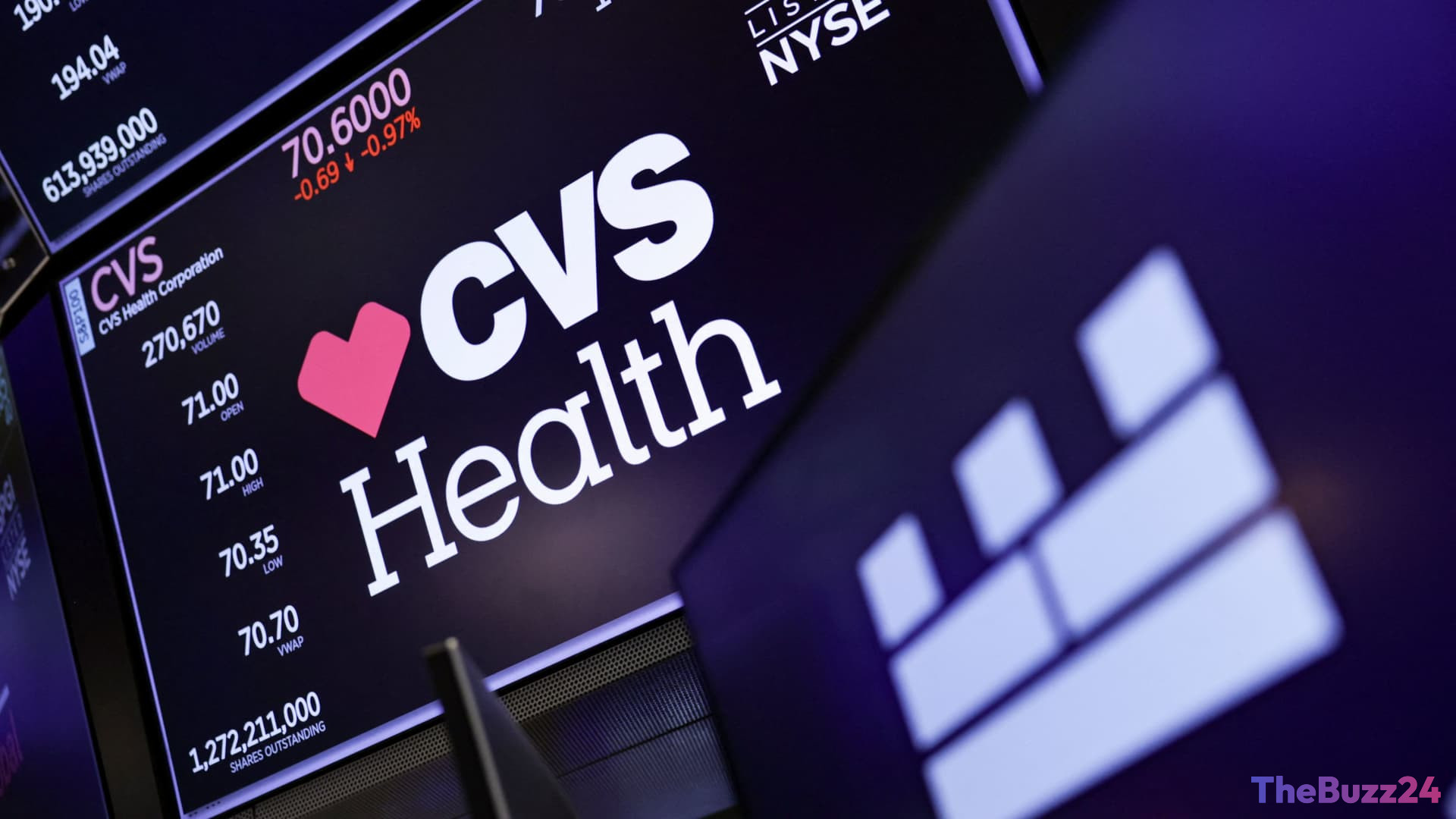
CVS Health has reported a robust start to the fiscal year, comfortably outpacing analyst expectations for both revenue and earnings. Bolstered by this strong momentum, the healthcare conglomerate has upwardly revised its financial guidance for 2026. The company now projects full-year earnings to land between $7.30 and $7.50 per share, with total revenue expected to reach at least $405 billion, reflecting a renewed sense of stability in its long-term corporate strategy.
The company’s recent success is anchored by the strong performance of its Aetna insurance division, complemented by steady output from its retail pharmacy and health services sectors. This financial turnaround follows a rigorous restructuring program, which included a $2 billion cost-reduction initiative, the strategic closure of underperforming retail outlets, and a series of leadership shifts. These operational changes have clearly resonated, as evidenced by a significant jump in net income to $2.94 billion, compared to $1.78 billion in the same quarter last year.
Despite industry-wide headwinds—specifically rising medical costs linked to increased procedure volume among Medicare Advantage patients—the insurance segment managed to lower its medical benefit ratio to 84.6%. This improvement highlights more effective management of medical expenses and streamlined internal processes. Additionally, the health services segment saw an 11% revenue surge to $48.24 billion, driven largely by pharmacy benefits management, while the retail pharmacy and consumer wellness division remained a reliable pillar with $31.99 billion in sales. As CVS Health continues to refine its business model, leadership remains committed to balancing aggressive cost control with sustainable growth across its integrated healthcare ecosystem.
Key Takeaways
- CVS Health raised its 2026 financial guidance, projecting revenue of at least $405 billion.
- Net income rose significantly to $2.94 billion, driven by a $2 billion cost-cutting initiative and operational restructuring.
- The insurance segment successfully lowered its medical benefit ratio to 84.6% despite rising industry-wide medical costs.
Editor’s Analysis & Impact
CVS Health’s latest quarterly performance serves as a critical proof-of-concept for its ongoing pivot toward a vertically integrated healthcare model. By successfully managing the medical benefit ratio in a high-cost environment, the company has demonstrated that its restructuring efforts are not merely cosmetic but are fundamentally improving operational efficiency. The market is likely to view this as a sign that the company has regained control over its margins, which had been pressured by rising Medicare Advantage utilization. Looking ahead, the challenge for CVS will be maintaining this balance between retail stability and the high-growth potential of its health services division. If the company continues to execute its cost-cutting measures without sacrificing service quality, it is well-positioned to outperform competitors who are still struggling to navigate the complexities of post-pandemic medical cost inflation.
Frequently Asked Questions
Q: What is the primary driver behind CVS Health's improved financial outlook?
A: The improved outlook is driven by a combination of a $2 billion cost-cutting initiative, the closure of underperforming retail stores, and strong performance within the Aetna insurance and health services segments.
Q: How did CVS Health manage rising medical costs in its insurance division?
A: CVS Health managed these costs by optimizing internal processes and improving the management of medical expenses, which allowed them to lower their medical benefit ratio to 84.6%.
AI Disclosure: This article is based on verified data and official reports. Our Team and AI have cross-referenced every financial detail with primary sources to ensure total accuracy.
More from this Category