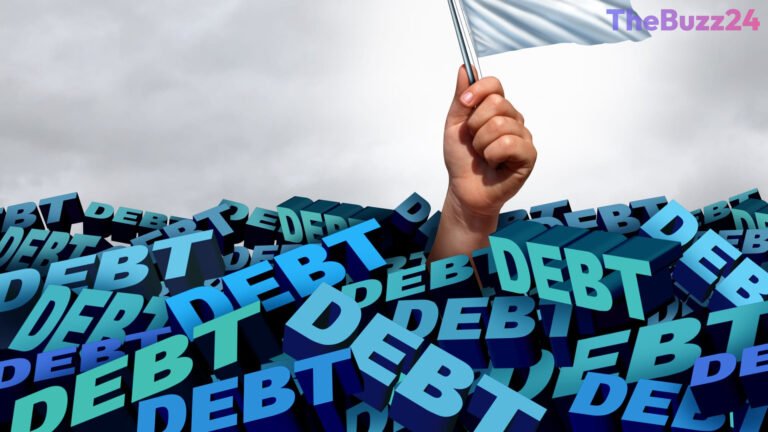
Building a Financial Safety Net: Strategies to Avoid the Debt Trap
Financial instability frequently stems from a single, unforeseen event, such as an urgent home repair, vehicle maintenance, or an unexpected medical bill. Research suggests that roughly 41% of individuals currently carrying credit card debt trace the origin of their financial burden back to these types of emergency expenses. For many, this initial setback leads to a prolonged cycle of debt that can last a year or longer, underscoring the critical need for proactive financial planning and robust emergency reserves.
A highly effective strategy for protecting one’s finances is to create a logistical barrier between primary checking accounts and emergency savings. Utilizing high-yield savings accounts (HYSAs) through online institutions is particularly advantageous. The inherent transfer time between these accounts and a standard bank creates a layer of friction that discourages impulsive spending, while the superior interest rates compared to traditional banking options allow emergency funds to grow more efficiently over time.
Modern technology also provides essential tools for managing cash flow and maintaining financial discipline. Expense tracking applications, such as PocketGuard and Monarch, enable users to monitor spending habits in real-time, categorize transactions, and identify areas for potential savings. By syncing these platforms with various financial institutions, individuals can maintain a comprehensive view of their net worth and recurring subscriptions, making it significantly easier to redirect surplus funds toward a dedicated safety net.
Furthermore, building a relationship with a credit union can offer a distinct advantage. As member-owned, non-profit organizations, credit unions often provide greater flexibility than traditional banks during periods of financial hardship. Institutions like Alliant Credit Union and Consumers Credit Union frequently offer lower fees, competitive interest rates, and access to personal loans that serve as a safer, more affordable alternative to high-interest credit card debt. Establishing membership early can provide a vital lifeline when unexpected costs inevitably arise.
Key Takeaways
- Nearly 41% of credit card debt is triggered by unexpected emergency expenses.
- Using high-yield savings accounts creates a 'friction' barrier that discourages impulsive spending while earning better interest.
- Leveraging financial tracking apps and credit union memberships can provide better oversight and more flexible borrowing options during crises.
Editor’s Analysis & Impact
The shift toward digital financial management and the growing popularity of high-yield savings accounts reflect a broader trend of consumer empowerment in personal finance. As economic volatility persists, the reliance on traditional, high-interest credit cards for emergencies is becoming increasingly unsustainable. The integration of AI-driven expense tracking apps and the resurgence of credit unions suggest that consumers are moving toward more holistic, preventative financial health models. Looking ahead, we expect to see continued growth in ‘friction-based’ banking products designed to curb impulsive behavior. For the average consumer, the implication is clear: financial resilience is no longer just about saving money, but about utilizing the right technological and institutional infrastructure to prevent the ‘debt trap’ before it begins.
Frequently Asked Questions
Q: Why is it better to keep emergency savings in a separate bank?
A: Keeping emergency funds in a separate high-yield savings account creates a 'friction' barrier, making it harder to impulsively transfer money for non-emergency purchases while allowing the funds to earn higher interest.
Q: How do credit unions differ from traditional banks for emergency loans?
A: Credit unions are member-owned, non-profit organizations that often offer more flexible lending terms, lower interest rates, and reduced fees compared to traditional banks, making them a safer option for those facing financial hardship.
AI Disclosure: This article is based on verified data and official reports. Our Team and AI have cross-referenced every financial detail with primary sources to ensure total accuracy.
More from this Category