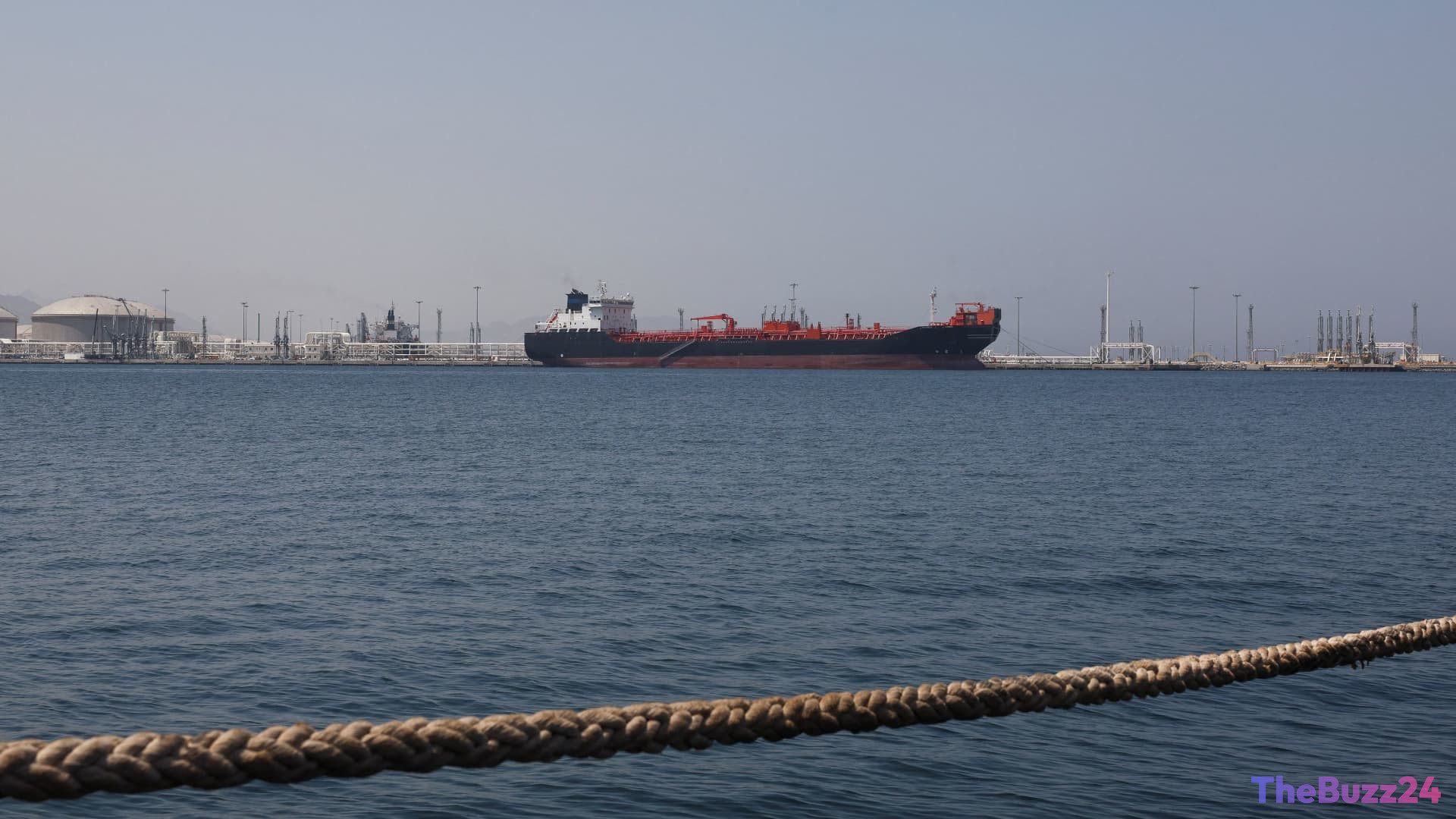
Oil Prices Surge Amid Escalating U.S.-Iran Tensions and Strait of Hormuz Concerns
Global oil prices experienced a notable increase on Thursday, marked by volatile trading sessions as investors closely monitor the escalating tensions between the United States and Iran. The primary driver for this market movement appears to be the ongoing concerns surrounding the strategic Strait of Hormuz, a critical chokepoint for global oil transportation.
International benchmark Brent crude futures for July delivery saw a gain of 0.91%, reaching $102.19 per barrel. Simultaneously, U.S. West Texas Intermediate (WTI) futures for June climbed 1.23%, settling at $96.25 per barrel. These price hikes reflect the market’s sensitivity to geopolitical instability in the Middle East, a region vital to global energy supply.
The situation was further complicated by recent statements from President Donald Trump, who indicated that Iran would face significantly intensified bombing if a peace deal was not reached. Trump suggested that a resolution to the conflict, potentially involving the reopening of the Strait of Hormuz to all maritime traffic, including Iranian vessels, was contingent on Iran’s agreement. He warned that failure to comply would result in a “much higher level and intensity” of military action.
These pronouncements come despite earlier reports suggesting that Washington and Tehran were nearing a preliminary agreement. Iran’s Foreign Ministry spokesperson, Esmaeil Baqaei, stated that the proposal was still under review and that a response would be communicated to mediators. Baqaei also emphasized the necessity of “good faith” in negotiations, cautioning against “dictation, deception, extortion or coercion.”
Key Takeaways
- Oil prices rose significantly due to heightened U.S.-Iran tensions and concerns over the Strait of Hormuz.
- President Trump issued a warning of increased military action against Iran if a peace deal is not agreed upon.
- Geopolitical instability in the Middle East continues to be a major factor influencing global energy markets.
Editor’s Analysis & Impact
The recent surge in oil prices underscores the persistent vulnerability of global energy markets to geopolitical flashpoints. The Strait of Hormuz remains a critical artery for oil transport, and any disruption, or even the threat of one, can trigger significant price volatility. The back-and-forth between the U.S. and Iran, particularly President Trump’s assertive stance, introduces a high degree of uncertainty. This instability not only impacts energy prices but also has broader economic implications, potentially affecting inflation, consumer spending, and corporate investment decisions. The duration and intensity of this geopolitical standoff will be closely watched by markets and policymakers alike, influencing future growth expectations and central bank monetary policy.
Frequently Asked Questions
Q: What is the Strait of Hormuz and why is it important for oil prices?
A: The Strait of Hormuz is a narrow waterway connecting the Persian Gulf and the Gulf of Oman. It is one of the world's most important oil transit points, with a significant portion of global oil supply passing through it daily. Any disruption or blockade in this strait can lead to a sharp increase in oil prices due to supply concerns.
Q: What were the key statements made by President Trump regarding Iran?
A: President Trump stated that Iran would face significantly intensified bombing if it did not agree to a peace deal. He also suggested that a potential agreement could lead to the reopening of the Strait of Hormuz to all maritime traffic, but warned of severe consequences if Iran did not comply.
Q: How did Iran respond to the U.S. statements?
A: Iran's Foreign Ministry spokesperson indicated that Tehran was still reviewing the proposal and would communicate its response to mediators. The spokesperson also emphasized the importance of 'good faith' in negotiations, cautioning against coercive tactics.
AI Disclosure: This article is based on verified data and official reports. Our Team and AI have cross-referenced every financial detail with primary sources to ensure total accuracy.
More from this Category