Bridging the Healthcare Gap: How AI is Solving the Specialist Referral Crisis
The modern healthcare experience is often defined by a frustrating administrative bottleneck: the gap between a primary care referral and actually securing an appointment with a specialist. While much of the industry’s focus remains on diagnostic AI or drug discovery, a significant portion of patient care is lost in a sea of manual paperwork and outdated communication methods. Specialty practices are frequently overwhelmed by thousands of documents, many still arriving via fax, leaving small administrative teams unable to keep pace with patient intake.
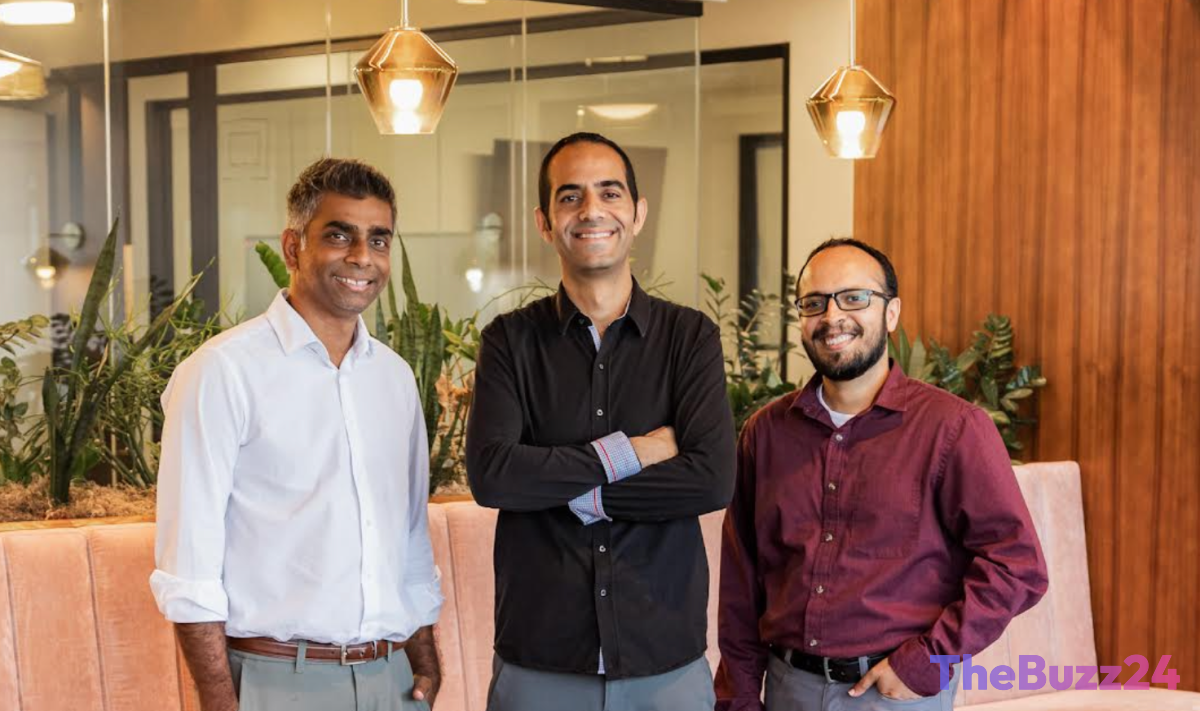
Basata, a Phoenix-based startup, is tackling this inefficiency by automating the referral lifecycle. By utilizing AI to ingest and process clinical documents, the platform can automatically extract relevant data and deploy AI voice agents to contact patients for scheduling. This system aims to provide patients with a confirmed appointment almost immediately after their primary care visit, significantly reducing the time-to-care gap that has plagued the medical industry for years.
Beyond simple scheduling, the platform handles routine administrative tasks such as prescription renewals, allowing medical staff to focus on more complex patient needs. The company has adopted a usage-based revenue model, charging practices per document processed rather than per seat. Having recently secured $21 million in Series A funding, Basata is scaling its operations by focusing on specific medical specialties, such as cardiology and urology, to ensure deep integration with existing electronic medical record systems.
As competition in the healthcare automation space intensifies, with well-funded rivals like Tennr and Assort Health also vying for market share, the focus has shifted toward trust and reliability. While the rise of AI in medical administration raises questions about the future of human roles, current evidence suggests that these tools are primarily serving as a lifeline for overwhelmed staff. By automating the most repetitive aspects of the job, these systems are helping practices manage volumes that would otherwise be impossible to handle, ultimately improving the speed and quality of patient access to care.
Key Takeaways
- Specialty medical practices are struggling with massive administrative backlogs, often relying on outdated fax-based systems to manage patient referrals.
- Basata uses AI to automate the intake process, allowing for real-time patient scheduling and administrative support via voice agents.
- The healthcare automation market is becoming increasingly competitive, with startups raising significant capital to solve the 'care gap' between primary and specialty providers.
Editor’s Analysis & Impact
The surge in investment toward healthcare administrative automation signals a critical shift in how medical practices will operate over the next decade. The ‘care gap’ is not merely an inconvenience; it is a systemic failure that impacts patient outcomes and practice revenue. By targeting the ‘last mile’ of the referral process, companies like Basata are addressing a high-friction, high-volume pain point that legacy systems have failed to resolve. The industry’s move toward usage-based pricing models suggests a focus on scalability and immediate ROI for clinics. However, the long-term challenge for these firms will be maintaining differentiation as well-capitalized competitors expand their feature sets. The ultimate success of these AI agents will depend on their ability to integrate seamlessly with fragmented electronic medical record systems while maintaining the high level of trust required in clinical settings.
Frequently Asked Questions
Q: How does Basata improve the patient referral process?
A: Basata automates the intake of referral documents, extracts clinical information, and uses AI voice agents to contact patients directly to schedule appointments, eliminating the need for manual follow-ups.
Q: Is this technology intended to replace medical administrative staff?
A: The company positions its technology as a tool to augment staff by handling repetitive, high-volume tasks, allowing administrators to focus on more complex patient interactions rather than drowning in paperwork.
AI Disclosure: This article is based on verified data and official reports. Our Team and AI have cross-referenced every financial detail with primary sources to ensure total accuracy.
More from this Category