Virginia Supreme Court Invalidates Redistricting Referendum in Major Political Setback
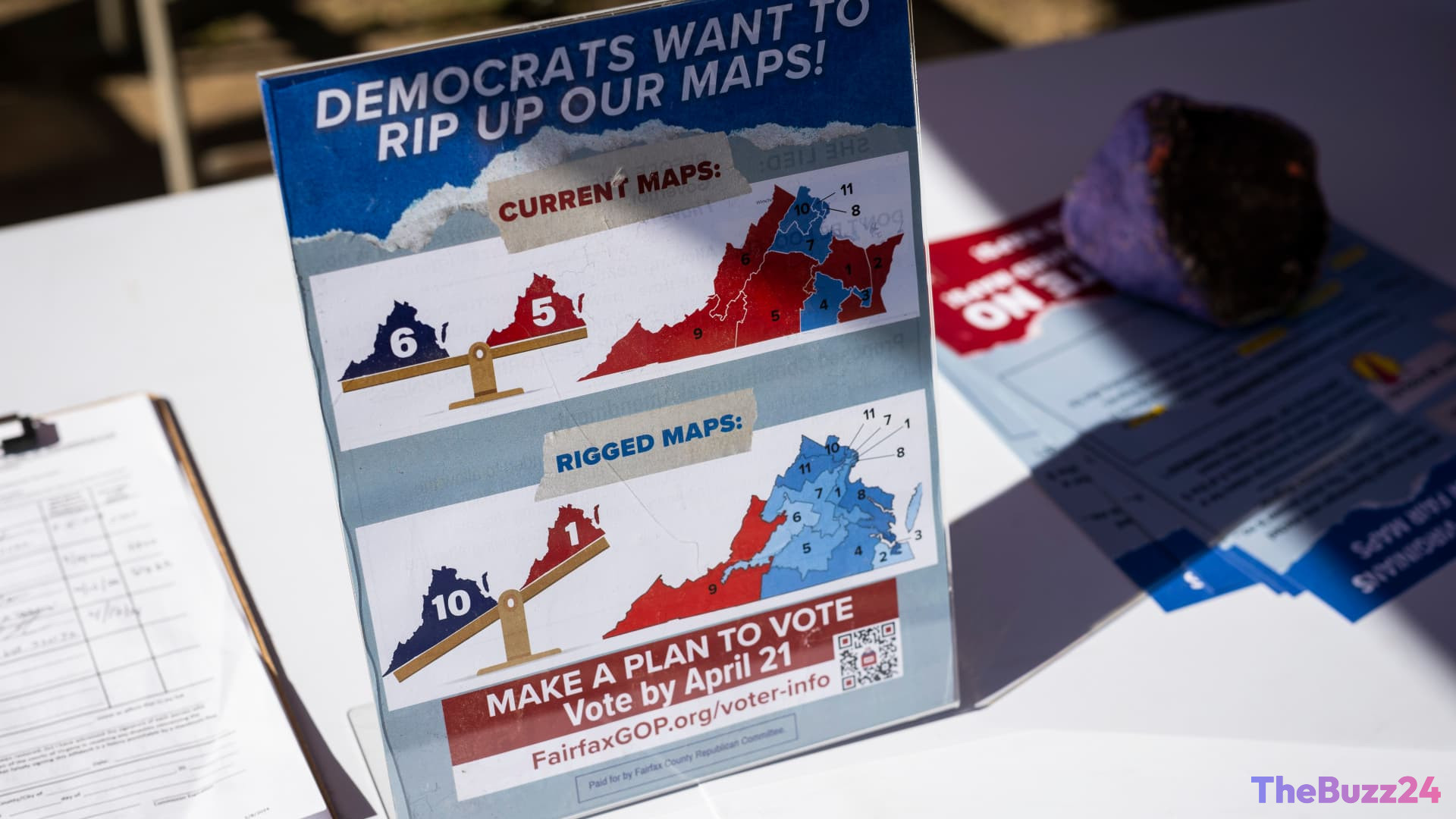
The Virginia Supreme Court issued a significant ruling on Friday, striking down a recently approved redistricting referendum. The decision serves as a major obstacle for Democrats, who had anticipated that the measure would allow for the implementation of new House maps, potentially securing them up to four additional seats in the legislature.
The referendum, which had been approved by voters with a three-percentage-point margin in late April, was initially viewed as a strategic victory for the Democratic party. By invalidating the measure, the court has effectively halted the transition to these redrawn districts, maintaining the status quo in a political climate already defined by intense debates over partisan gerrymandering.
This judicial intervention occurs against a backdrop of broader national tensions regarding electoral boundaries. Across the American South, Republican-led legislatures are currently engaged in aggressive efforts to redraw House districts following federal judicial rulings that altered the landscape of the Voting Rights Act. In response to the court’s decision, Speaker of the Virginia House of Delegates Don Scott expressed disappointment, affirming that his party remains committed to advocating for electoral processes that prioritize voter influence over political maneuvering.
Key Takeaways
- The Virginia Supreme Court invalidated a redistricting referendum that was expected to favor Democratic legislative gains.
- The rejected measure had previously passed with a three-percentage-point margin during an April vote.
- The ruling highlights the ongoing national conflict over partisan gerrymandering and the redrawing of electoral maps.
Editor’s Analysis & Impact
The Virginia Supreme Court’s decision to strike down the redistricting referendum underscores the increasing role of the judiciary in shaping electoral outcomes. By blocking the implementation of new maps, the court has effectively preserved the existing political balance, which will likely influence legislative priorities in the upcoming sessions. This ruling is part of a broader, high-stakes national trend where both major parties are utilizing legal challenges to contest district boundaries. As states continue to navigate the post-Voting Rights Act landscape, we can expect further litigation to define the limits of partisan influence in map-making. The long-term implication is a heightened level of uncertainty for political strategists, as the legal viability of voter-approved redistricting measures remains a volatile and contested issue across the country.
Frequently Asked Questions
Q: Why did the Virginia Supreme Court strike down the redistricting referendum?
A: The court invalidated the measure, effectively preventing the implementation of new House maps that were expected to shift the political balance in favor of Democrats.
Q: What was the expected impact of the redistricting measure?
A: Democrats had projected that the new maps would allow them to gain as many as four additional seats in the Virginia House of Delegates.
AI Disclosure: This article is based on verified data and official reports. Our Team and AI have cross-referenced every financial detail with primary sources to ensure total accuracy.
More from this Category