Intel’s High-Stakes Turnaround: Wall Street Bets Big on a Silicon Valley Icon
Intel is currently navigating a pivotal chapter in its history as leadership works to revitalize the semiconductor giant’s competitive standing. Despite internal challenges and operational hurdles, the company has seen a remarkable 490% surge in its stock price over the past year. This dramatic market valuation suggests that investors are placing significant confidence in the firm’s long-term strategic pivot, even as the company continues to grapple with the complexities of its ongoing restructuring efforts.
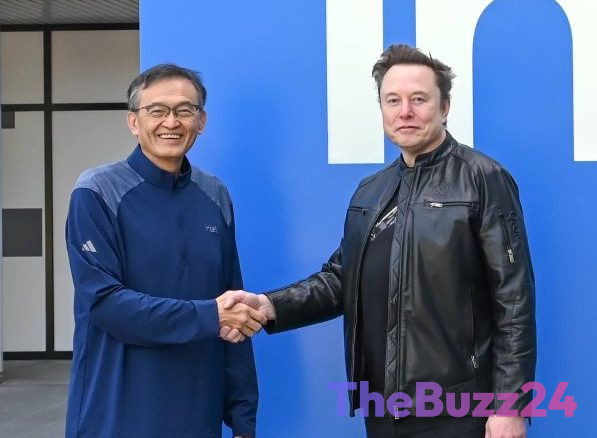
Under the guidance of CEO Lip-Bu Tan, who assumed the role last year, the company has focused heavily on high-level partnerships and government engagement. These efforts include securing a substantial agreement with the U.S. government, which has now become one of Intel’s primary shareholders. Furthermore, the company is reportedly cultivating strategic manufacturing relationships with industry titans such as Apple and Tesla, while also exploring collaborative factory initiatives with Elon Musk.
However, the path to a full recovery remains fraught with technical and organizational difficulties. Intel’s current chip manufacturing yields continue to trail behind industry leader TSMC, and internal reports indicate that some teams are struggling to meet project deadlines. While the market remains optimistic about the company’s broader vision, the ultimate success of this turnaround will depend on whether management can translate these high-profile partnerships and government support into consistent, high-quality manufacturing execution.
Key Takeaways
- Intel’s stock has experienced a massive 490% increase over the past year, reflecting strong investor optimism despite operational challenges.
- The company is securing critical partnerships with major players like Apple and Tesla, and has gained the U.S. government as a significant shareholder.
- Internal execution remains a concern, as Intel continues to lag behind TSMC in chip yields and faces ongoing difficulties with meeting production deadlines.
Editor’s Analysis & Impact
Intel’s current trajectory represents one of the most closely watched corporate turnarounds in the technology sector. The massive stock appreciation suggests that the market is pricing in a successful recovery well before the company has demonstrated consistent operational excellence. The strategic shift toward becoming a foundry for other major tech firms is a high-risk, high-reward move that pits Intel directly against established leaders like TSMC. If Intel can successfully bridge the gap in manufacturing yields, it could reclaim its status as a dominant force in global chip production. However, the disconnect between the company’s soaring market valuation and its current internal struggles creates a volatile environment. The coming quarters will be critical in determining whether the leadership can deliver on the ambitious promises made to shareholders and partners alike.
Frequently Asked Questions
Q: Why has Intel's stock price risen so significantly?
A: The stock price surge is largely driven by investor confidence in the company's long-term turnaround strategy, high-profile government support, and potential manufacturing partnerships with major tech companies.
Q: What are the primary challenges Intel faces in its recovery?
A: Intel is currently struggling with lower chip manufacturing yields compared to competitors like TSMC and is facing internal difficulties in maintaining project timelines and operational efficiency.
AI Disclosure: This article is based on verified data and official reports. Our Team and AI have cross-referenced every financial detail with primary sources to ensure total accuracy.
More from this Category