Crew-13 Set for Rapid Journey to International Space Station
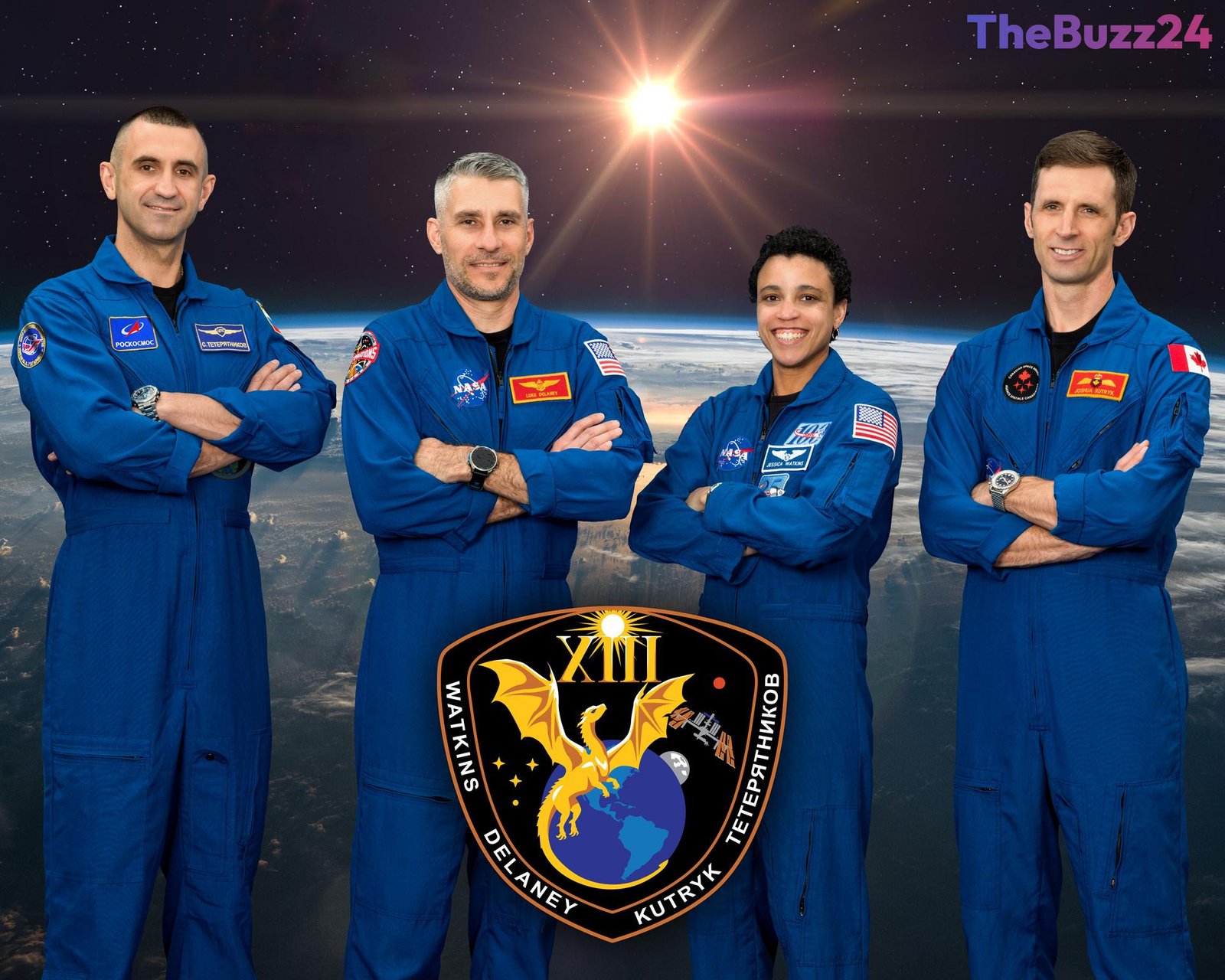
The next chapter in human spaceflight is set to unfold as the NASA SpaceX Crew-13 mission prepares for its launch to the International Space Station (ISS). An international quartet of astronauts and cosmonauts will embark on a long-duration science mission, marking another milestone in collaborative space exploration. The crew comprises NASA astronauts Jessica Watkins and Luke Delaney, CSA (Canadian Space Agency) astronaut Joshua Kutryk, and Roscosmos cosmonaut Sergey Teteryatnikov, all poised for their journey aboard a SpaceX Dragon spacecraft.
The launch is scheduled for Thursday, October 1, at 11:10 a.m. EDT, from Space Launch Complex 40 at Cape Canaveral Space Force Station in Florida. Following liftoff, the SpaceX Dragon is projected to achieve a remarkably swift transit to the orbital outpost, with docking anticipated around 7 p.m. EDT on the same day. This planned 7-hour, 50-minute trip from launch to docking will be the fastest by a U.S. spacecraft in the history of space station missions, showcasing advancements in space transportation efficiency.
Upon their arrival, the Crew-13 members will conduct a brief handover period with the agency’s SpaceX Crew-12 mission. Crew-12 is expected to conclude its tenure and begin its return to Earth no earlier than Monday, October 5, ensuring continuous human presence and operational continuity on the orbiting laboratory. This mission further exemplifies NASA’s strategic vision of fostering partnerships with American private industry, such as SpaceX, to establish safe, reliable, and cost-effective transportation solutions to and from the International Space Station.
This collaborative approach is instrumental in broadening access to low Earth orbit, facilitating more extensive scientific research, and opening new avenues for commercial opportunities in space. For over a quarter-century, the International Space Station has served as a continuous habitat and laboratory, driving scientific knowledge and pioneering technologies crucial for future human exploration endeavors, including ambitious missions to the Moon and ultimately, Mars.
Key Takeaways
- NASA's SpaceX Crew-13 mission, featuring an international crew, is scheduled to launch on Oct. 1 for a long-duration science mission to the ISS.
- The SpaceX Dragon spacecraft will achieve a record-setting 7-hour, 50-minute transit from launch to docking, the fastest by a U.S. spacecraft to the ISS.
- The mission underscores NASA's successful partnership with private industry, expanding access to low Earth orbit for scientific research and commercial opportunities.
Editor’s Analysis & Impact
The upcoming Crew-13 mission highlights the increasing efficiency and reliability of commercial space transportation, particularly through the NASA-SpaceX partnership. The record-setting transit time to the ISS demonstrates significant technological advancements, potentially reducing crew fatigue and operational costs for future missions. This collaboration is crucial for the sustained human presence in low Earth orbit and serves as a blueprint for more ambitious deep-space endeavors, including lunar and Martian exploration. The continued international participation also reinforces global cooperation in scientific research, fostering a broader impact on humanity’s understanding of space and its potential. This trend suggests a robust future for the commercial space sector, with private companies playing an ever-larger role in national space programs.
Frequently Asked Questions
Q: Who are the members of the Crew-13 mission?
A: The Crew-13 mission comprises NASA astronauts Jessica Watkins and Luke Delaney, CSA (Canadian Space Agency) astronaut Joshua Kutryk, and Roscosmos cosmonaut Sergey Teteryatnikov.
Q: What is significant about the Crew-13 mission's journey to the ISS?
A: The SpaceX Dragon spacecraft is projected to complete its journey from launch to docking in approximately 7 hours and 50 minutes, making it the fastest transit by a U.S. spacecraft to the International Space Station in history.
Q: What is the primary purpose of the Crew-13 mission?
A: The Crew-13 mission is a long-duration science mission to the International Space Station, where the crew will conduct various scientific research and experiments.
AI Disclosure: This article is based on verified data and official reports. Our Team and AI have cross-referenced every financial detail with primary sources to ensure total accuracy.
More from this Category