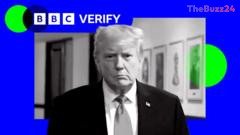
Inquiry Emerges Over Legality of Government-Funded Ads Featuring Donald Trump
A significant question has recently surfaced concerning the legality of advertisements featuring former President Donald Trump, which are reportedly financed by the United States government. This development places a spotlight on the intersection of public funding and political messaging, particularly as the nation looks towards the 2026 midterm elections and broader political discourse within the United States.
The core of the inquiry revolves around whether such government-funded promotions, if they exist, adhere to established legal guidelines governing the use of taxpayer money. Concerns typically arise when there is a perceived blurring of lines between legitimate governmental communication and content that could be interpreted as political campaigning or personal promotion. Legal experts and watchdog organizations often scrutinize these situations to ensure public funds are not inadvertently or intentionally used to support individual political figures or their future electoral prospects.
As this issue gains traction, it is anticipated to spark debate among various political factions and legal scholars. The outcome of any potential investigation or clarification could set important precedents for how public resources are utilized in the political arena, especially for figures who remain prominent in national politics.
Key Takeaways
- A question has emerged regarding the legality of government-funded advertisements reportedly featuring former President Donald Trump.
- The inquiry focuses on whether public funds are being appropriately used, avoiding political promotion or campaigning.
- The issue is expected to generate debate and scrutiny from legal experts, watchdog groups, and political observers.
Editor’s Analysis & Impact
This emerging controversy, though currently lacking specific details, highlights a recurring tension in democratic governance: the appropriate use of public funds by political figures. For Donald Trump, a prominent figure with potential future political ambitions, any perceived blurring of lines between official communication and campaign-like messaging could draw significant scrutiny. The broader implications extend to how government agencies and elected officials manage their public relations budgets, especially in an election cycle. Should concrete evidence of misuse surface, it could lead to legal challenges, reputational damage, and calls for stricter regulations on government advertising. Conversely, if the ads are deemed fully compliant, it could reinforce existing guidelines. This situation underscores the constant need for transparency and accountability in public spending, particularly when it intersects with high-profile political personalities.
Frequently Asked Questions
Q: What is the main concern regarding these ads?
A: The primary concern is whether advertisements featuring Donald Trump, reportedly funded by the U.S. government, comply with legal standards for the use of public funds, ensuring they are not used for political campaigning or personal promotion.
Q: Why is the legality of government-funded ads a significant issue?
A: The legality is significant because it touches upon the ethical use of taxpayer money, the separation of government functions from political campaigns, and the potential for unfair advantage if public resources are used to benefit a specific political figure.
Q: Who is likely to scrutinize this issue?
A: Legal experts, government watchdog organizations, and political opponents are expected to closely examine the situation, seeking clarity and accountability regarding the funding and content of any such advertisements.
AI Disclosure: This article is based on verified data and official reports. Our Team and AI have cross-referenced every financial detail with primary sources to ensure total accuracy.
More from this Category