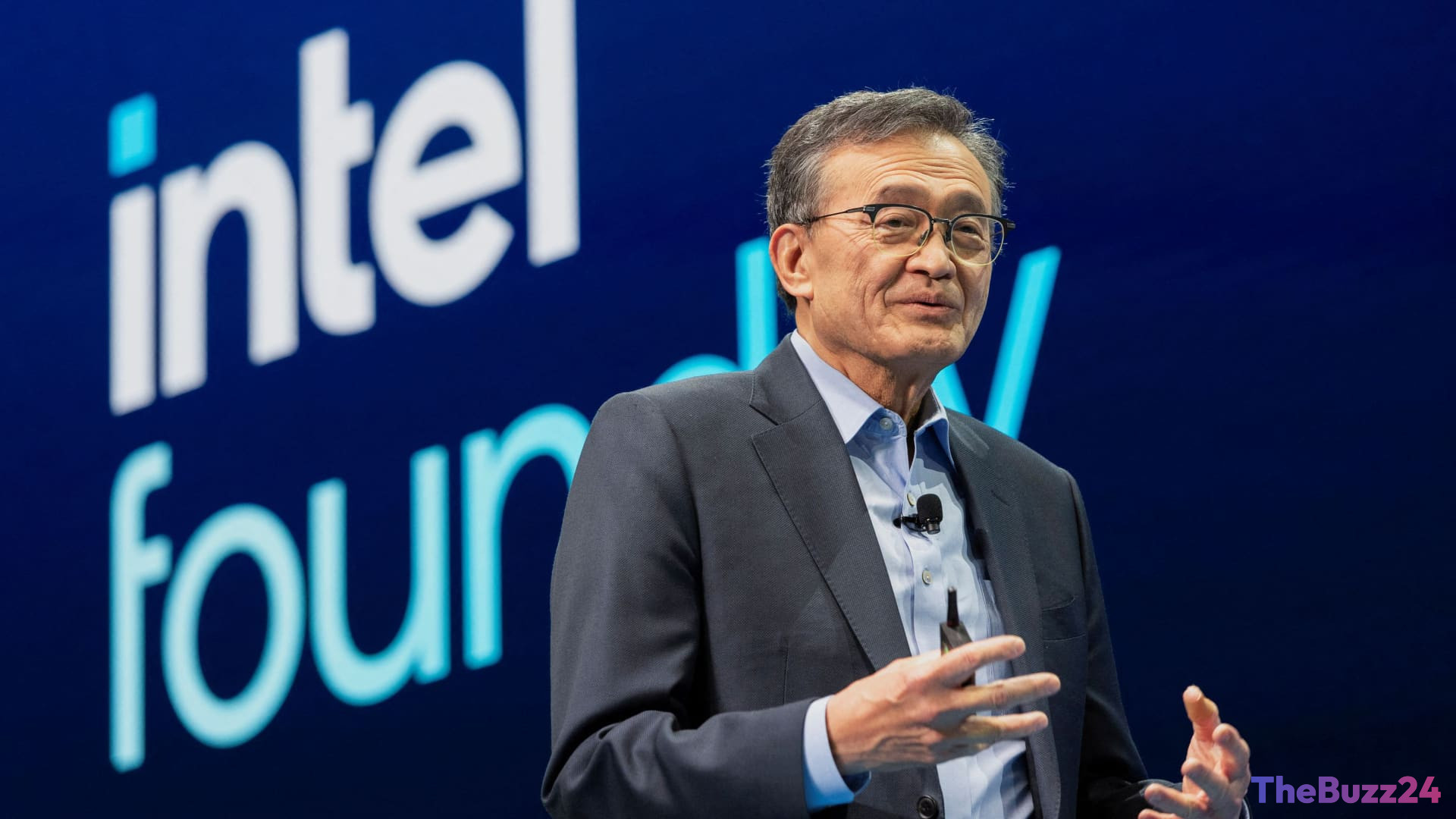
Intel Eyes Strategic Partnership with Apple to Bolster Foundry Ambitions
Intel is reportedly nearing a preliminary agreement to manufacture advanced semiconductors for Apple, a move that would mark a significant milestone for the company’s foundry division. While Apple has long relied on Taiwan Semiconductor Manufacturing Co. (TSMC) as its primary chip supplier, the surging demand for artificial intelligence-capable hardware has necessitated a more diversified supply chain. By potentially securing Apple as a client, Intel aims to solidify its position as a credible, large-scale alternative to existing industry leaders.
The collaboration centers on Intel’s cutting-edge manufacturing nodes, specifically the 18A and the upcoming 18A-P technology. These nodes are designed to compete directly with the most advanced processes currently available in the market. Intel has been aggressively scaling its production capabilities, including the development of high-volume facilities in Arizona, to meet the rigorous standards required by high-end consumer electronics. This strategic pivot follows a period of internal restructuring and technical refinement within Intel’s foundry business, which has successfully addressed previous production yield challenges.
Beyond the potential Apple deal, Intel is actively expanding its foundry footprint across the tech sector. Notable commitments include future projects with Elon Musk’s ventures, such as Tesla and SpaceX, which are eyeing Intel’s 14A node for long-term production goals. While TSMC remains the dominant force in the industry, the entry of Intel as a high-capacity competitor signals a shift in the global semiconductor landscape. As demand for sophisticated chips continues to outpace supply, the industry is moving toward a multi-vendor model to ensure stability and innovation.
Key Takeaways
- Intel is in advanced talks to manufacture chips for Apple, potentially ending the latter's exclusive reliance on TSMC.
- The deal would utilize Intel's advanced 18A and 18A-P manufacturing nodes, signaling a major validation of Intel's foundry turnaround.
- Intel is simultaneously securing long-term partnerships with other tech giants, including Tesla and SpaceX, to diversify its foundry client base.
Editor’s Analysis & Impact
The potential partnership between Intel and Apple represents a pivotal shift in the semiconductor industry’s power dynamics. For years, TSMC has held a near-monopoly on the production of the world’s most advanced chips, creating a single point of failure for major tech firms. Intel’s successful pivot to a foundry-first model—supported by massive capital investment and government backing—positions it to capture significant market share as AI-driven demand continues to explode. While the immediate impact on TSMC is limited due to their current capacity constraints, the long-term implication is a more competitive, resilient global supply chain. If Intel can consistently deliver high yields on its 18A and 14A nodes, it will likely transition from a struggling legacy chipmaker into the primary Western alternative for advanced silicon manufacturing, fundamentally altering the competitive landscape for the next decade.
Frequently Asked Questions
Q: Why would Apple consider moving some production to Intel?
A: Apple is looking to diversify its supply chain to mitigate risks associated with relying on a single manufacturer, TSMC, especially as demand for AI-capable chips puts unprecedented pressure on global production capacity.
Q: What is the significance of Intel's 18A node?
A: The 18A node is Intel's cutting-edge manufacturing technology designed to compete with the 2nm processes used by industry leaders. It is a critical component of Intel's strategy to prove its foundry capabilities to high-profile clients like Apple.
AI Disclosure: This article is based on verified data and official reports. Our Team and AI have cross-referenced every financial detail with primary sources to ensure total accuracy.
More from this Category