Federal Regulators Launch Probe Into Avride Autonomous Fleet Following Dallas Crashes
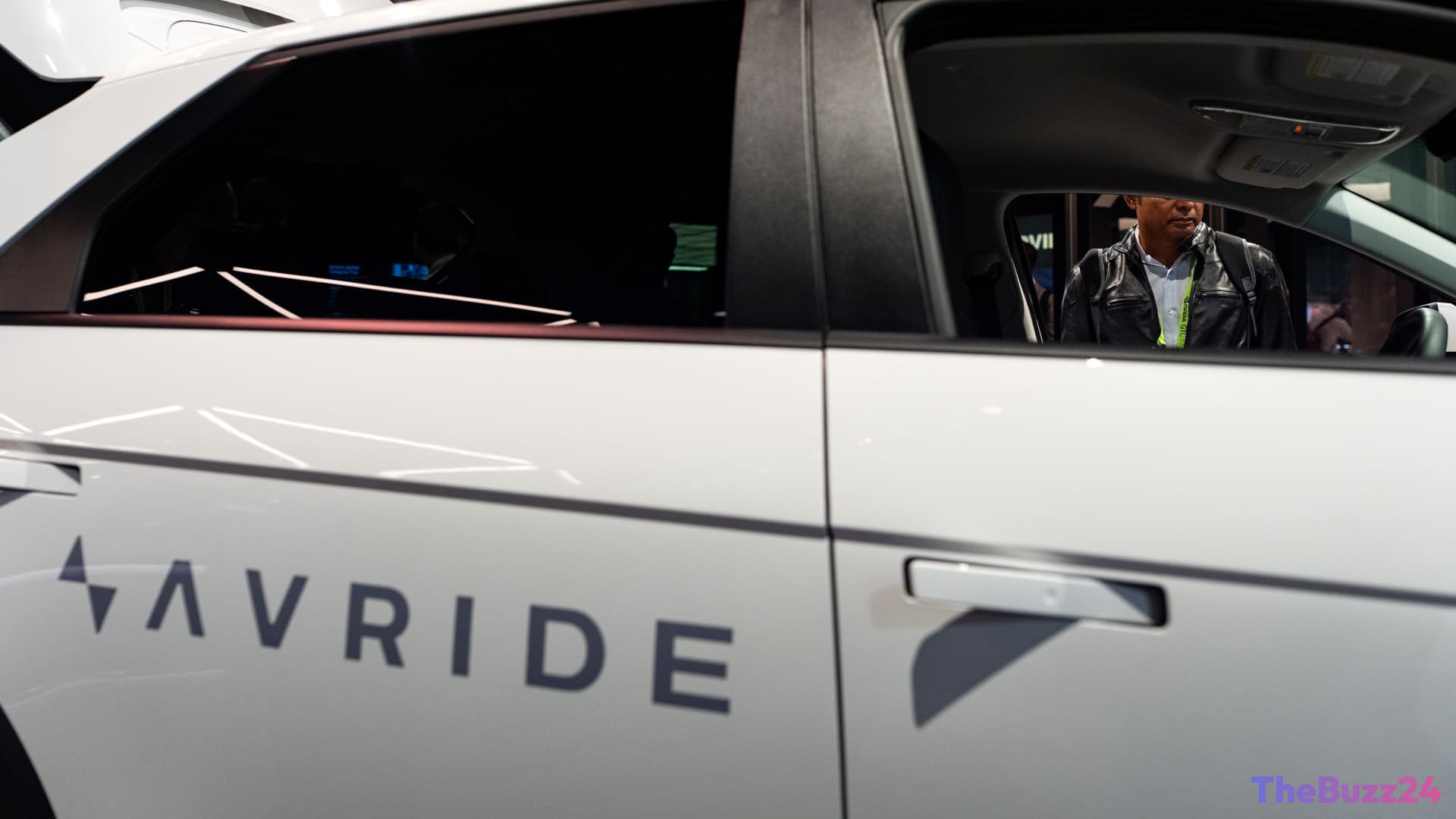
The National Highway Traffic Safety Administration (NHTSA) has initiated a formal investigation into the autonomous vehicle operations of Avride following a series of traffic incidents in Dallas. The probe focuses on 16 reported crashes involving the company’s fleet, which currently provides passenger services through the Uber platform. Federal authorities are scrutinizing the software systems powering these vehicles, specifically investigating reports of erratic driving behavior, including unsafe lane changes and a failure to adequately detect stationary objects or shifting traffic patterns.
Initial assessments of incident data indicate that the autonomous driving software may be favoring aggressive navigation maneuvers over defensive driving practices. These technical shortcomings have led to multiple reports of property damage and at least one minor injury. The investigation aims to determine whether the current safety safeguards embedded in the Hyundai Ioniq 5-based fleet are sufficient to navigate the unpredictable nature of dense urban environments. The fleet in question currently comprises approximately 200 vehicles.
In response to the federal inquiry, Avride has stated that it is cooperating fully with regulators to demonstrate the reliability of its safety protocols. The company emphasized that all vehicles are monitored by trained human safety operators in real-time. Avride also noted that several of the incidents involved low-speed contact initiated by other drivers on the road. To address these concerns, the company has already implemented software updates designed to improve navigation safety and continues to work toward its expansion goals.
Key Takeaways
- The NHTSA is investigating 16 crashes involving Avride autonomous vehicles operating in Dallas.
- Investigators are examining potential software defects that may cause erratic lane changes and poor object detection.
- Avride is cooperating with the probe and has already deployed software updates to address navigation safety concerns.
Editor’s Analysis & Impact
The investigation into Avride highlights the ongoing tension between the rapid deployment of autonomous vehicle technology and the stringent safety requirements of federal regulators. As companies scale their robotaxi fleets, the industry faces increasing scrutiny regarding how AI systems handle the ‘edge cases’ of urban driving. This probe serves as a critical test for the sector, as the outcome could set new precedents for software validation and safety reporting standards. If regulators find that the software prioritizes efficiency over safety, it could lead to stricter oversight, potentially slowing the rollout of autonomous services nationwide. However, if Avride successfully demonstrates that its updates mitigate these risks, it may provide a roadmap for other firms to navigate similar regulatory hurdles, ultimately shaping the future of public trust in self-driving transportation.
Frequently Asked Questions
Q: What is the primary focus of the federal investigation into Avride?
A: The investigation focuses on 16 reported crashes in Dallas to determine if software defects are causing erratic driving behavior and failures to respond correctly to traffic conditions.
Q: How is Avride responding to the safety concerns?
A: Avride is cooperating with the NHTSA, emphasizing that human safety operators are present in all vehicles, and has already deployed software updates to improve navigation safety.
AI Disclosure: This article is based on verified data and official reports. Our Team and AI have cross-referenced every financial detail with primary sources to ensure total accuracy.
More from this Category