Eurovision 2026 Faces Unprecedented Boycotts Amidst 70th Anniversary Milestone
As Vienna prepares to host the 70th anniversary of the Eurovision Song Contest, the long-running musical competition is navigating its most turbulent period in recent history. The event, traditionally celebrated as a beacon of international unity and cultural exchange, is currently facing a wave of withdrawals from participating nations. Iceland, Ireland, the Netherlands, Slovenia, and Spain have all officially confirmed they will not be sending representatives to the 2026 contest, citing strong opposition to Israel’s continued participation in light of the ongoing conflict in the Middle East.
This diplomatic strain has created a significant ideological rift among the contest’s global fan base. Numerous independent fan organizations and long-term supporters have publicly distanced themselves from the event, arguing that the current political climate is fundamentally at odds with the competition’s stated mission of fostering peace and harmony. For many, the decision to boycott is tied to the event’s historical identity as a platform for LGBTQ+ advocacy and inclusivity, turning the act of participation into a contentious moral dilemma.
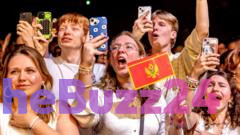
Despite the mounting political pressure and the withdrawal of several national broadcasters, commercial demand for the event remains remarkably high. Tickets for the grand final in Vienna were completely exhausted within 14 minutes of going on sale, suggesting that the spectacle’s cultural influence remains largely unaffected by the controversy. Organizers have maintained a firm stance on the broadcast, confirming that they will not impose restrictions on flag displays or audience behavior, opting to preserve the show’s traditional format. As the 2026 contest approaches, it serves as a definitive test of the brand’s ability to balance its historical legacy with the demands of an increasingly polarized global landscape.
Key Takeaways
- Five nations—Iceland, Ireland, the Netherlands, Slovenia, and Spain—have withdrawn from the 2026 Eurovision Song Contest.
- The boycotts are driven by objections to Israel's participation amid the ongoing Middle East conflict.
- Despite the political controversy, tickets for the grand final in Vienna sold out in just 14 minutes.
Editor’s Analysis & Impact
The 2026 Eurovision Song Contest serves as a microcosm of the broader challenges facing international cultural institutions in an era of hyper-polarization. By attempting to remain ‘neutral’ while hosting nations involved in active geopolitical conflicts, the brand risks alienating its core demographic, which has historically prioritized social justice and inclusivity. The withdrawal of five participating countries is a significant blow to the contest’s claim of being a truly representative European event. Moving forward, the organizers must decide whether to evolve their participation criteria or risk a permanent decline in viewership and institutional support. The resilience of ticket sales suggests that the ‘spectacle’ remains a powerful draw, but the loss of national broadcasters could lead to a long-term erosion of the contest’s cultural relevance and commercial viability in key markets.
Frequently Asked Questions
Q: Which countries have decided not to participate in Eurovision 2026?
A: Iceland, Ireland, the Netherlands, Slovenia, and Spain have officially opted out of the 2026 competition.
Q: How are organizers handling the political tension during the live broadcast?
A: Organizers have confirmed they will not restrict the display of flags or censor audience reactions during the broadcast, aiming to maintain the show's traditional format.
AI Disclosure: This article is based on verified data and official reports. Our Team and AI have cross-referenced every financial detail with primary sources to ensure total accuracy.
More from this Category