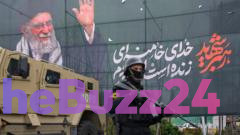
Diplomatic Pivot: Iran Responds to U.S. Proposals Amid Strait of Hormuz Standoff
Iran has formally delivered a response to recent diplomatic overtures from the United States, marking a potential turning point in the escalating tensions that have gripped the region since February. The correspondence is reportedly centered on a 14-point memorandum of understanding designed to address several critical friction points, including Iran’s nuclear development, the status of international economic sanctions, and the restoration of secure maritime transit through the Strait of Hormuz.
Despite this diplomatic movement, the operational reality remains precarious. The Strait of Hormuz, a vital chokepoint for global energy markets, remains under an Iranian blockade, which has been met with a reciprocal naval blockade of Iranian ports by the United States. President Masoud Pezeshkian has signaled a willingness to engage in talks, though he emphasized that Iran’s participation in negotiations does not signify a concession of its strategic position. Conversely, President Donald Trump has voiced optimism regarding a swift resolution, while simultaneously maintaining the threat of military escalation should the current diplomatic window close without progress.
The broader regional impact of this standoff has already manifested in increased security incidents, including drone activity near Kuwait and the UAE, as well as a projectile strike on a commercial vessel near Qatar. In response to the growing threat to global supply chains, defense officials from more than 40 countries are preparing to meet to coordinate strategies for protecting international shipping lanes. The success of these diplomatic efforts, weighed against the ongoing military posturing, will be a defining factor for stability in the region in the coming weeks.
Key Takeaways
- Iran has submitted a 14-point proposal to the U.S. aimed at addressing nuclear concerns, sanctions, and maritime security.
- The Strait of Hormuz remains a flashpoint, with reciprocal naval blockades continuing to disrupt global energy transit.
- A coalition of over 40 nations is organizing to discuss the protection of international shipping lanes amid rising regional drone and projectile incidents.
Editor’s Analysis & Impact
The current standoff represents a high-stakes geopolitical gamble where energy security and nuclear non-proliferation intersect. The 14-point memorandum suggests that both Washington and Tehran are seeking a face-saving exit strategy, yet the persistence of naval blockades indicates that neither side is willing to cede tactical leverage prematurely. The involvement of a 40-nation coalition underscores the global economic anxiety surrounding the Strait of Hormuz, which remains a critical vulnerability for energy markets. If these diplomatic talks fail, the risk of a miscalculation leading to a broader regional conflict is significant. The future outlook remains volatile; while the rhetoric from both leaderships hints at a desire for de-escalation, the military infrastructure currently in place suggests that any diplomatic breakdown could lead to an immediate and severe intensification of hostilities.
Frequently Asked Questions
Q: What is the primary goal of the 14-point memorandum?
A: The memorandum aims to address Iran's nuclear program, the removal of economic sanctions, and the reopening of the Strait of Hormuz for international maritime transit.
Q: Why is the Strait of Hormuz significant to this conflict?
A: The Strait of Hormuz is a critical artery for global energy supplies; its blockade by Iran and the subsequent U.S. response have created a major threat to global trade and regional stability.
AI Disclosure: This article is based on verified data and official reports. Our Team and AI have cross-referenced every financial detail with primary sources to ensure total accuracy.
More from this Category