Beijing Summit: Trump and Xi Face Defining Moment for Global Stability
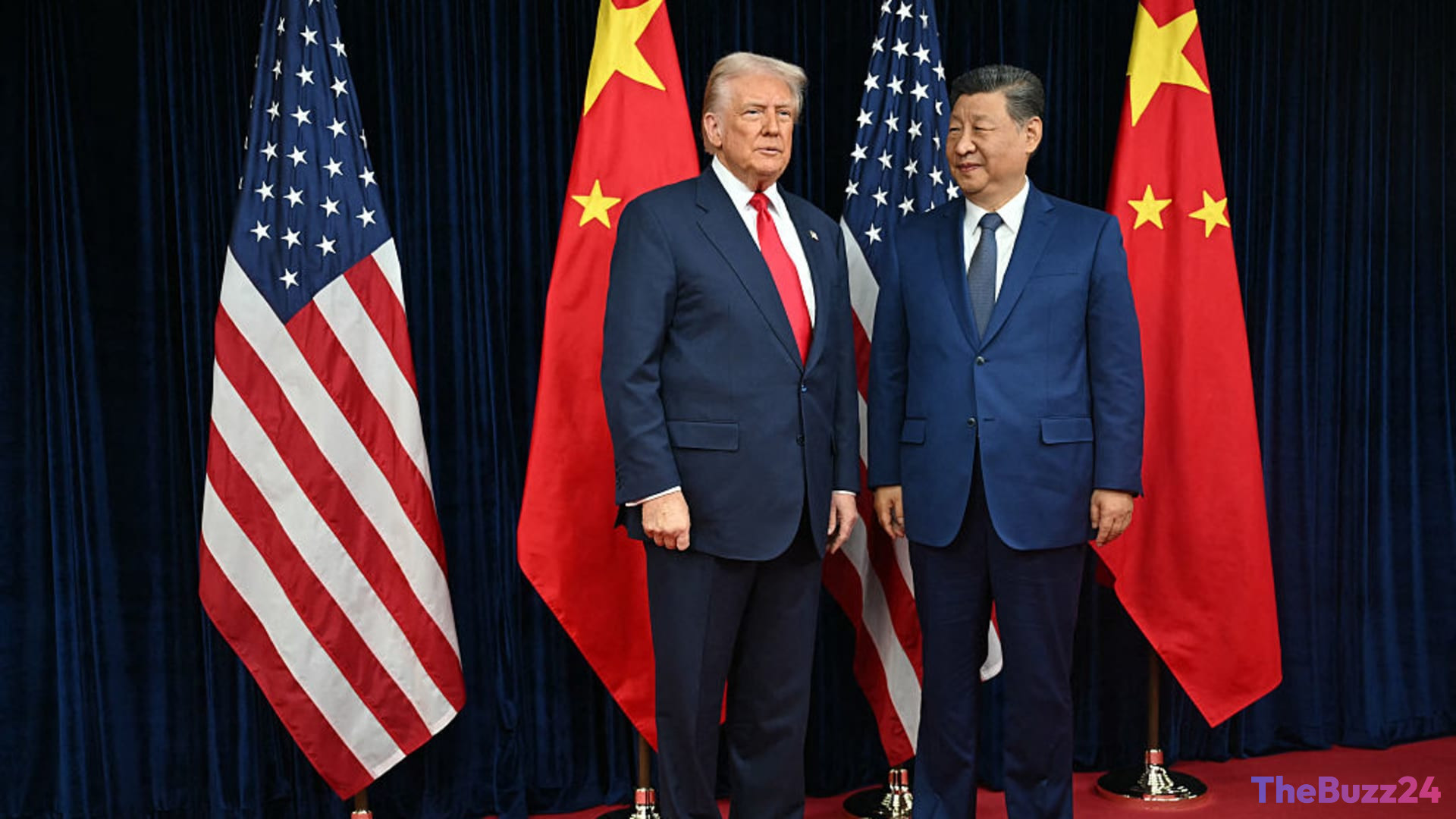
President Donald Trump and Chinese leader Xi Jinping are set to convene in Beijing this Thursday for a high-stakes summit that could reshape the trajectory of international relations. The agenda is comprehensive, addressing volatile topics including trade policy, artificial intelligence development, the geopolitical situation in Iran, and the status of Taiwan. With both nations currently embroiled in disputes over semiconductor restrictions and rare earth mineral export controls, the meeting is viewed as a critical juncture for global supply chain security and economic stability.
Recent months have seen a sharp rise in diplomatic friction, characterized by U.S. concerns over intellectual property theft in the AI sector and Beijing’s opposition to sanctions on Iranian oil. The global economy remains in a fragile state, and market observers are closely monitoring the summit for signs of de-escalation. Any failure to reach a consensus could lead to increased volatility, while a successful dialogue might provide the necessary framework to prevent further economic fragmentation.
The implications of this summit extend far beyond the two superpowers. Southeast Asian nations are particularly focused on potential agreements regarding the Strait of Hormuz, which remains a bottleneck for energy supplies. Meanwhile, the European Union and Japan are expressing concern that a bilateral trade agreement between Washington and Beijing could negatively impact their own industrial market shares. Additionally, the Kremlin is observing the proceedings, as any warming of U.S.-China relations could influence China’s strategic support for Russia.
To prepare for the summit, U.S. Treasury Secretary Scott Bessent and Chinese Vice Premier He Lifeng are meeting in South Korea to establish a foundation for the negotiations. This preliminary work is intended to mitigate trade frictions and ensure that the leaders can focus on broader strategic goals. As the international community waits, the central question remains whether the two nations can bridge their significant ideological and economic divides to stabilize a fractured global landscape.
Key Takeaways
- President Trump and President Xi are meeting in Beijing to address critical issues including AI, trade, and regional geopolitical conflicts.
- The summit is a pivotal moment for global supply chains, particularly regarding semiconductor technology and rare earth mineral exports.
- Preliminary talks between Treasury Secretary Scott Bessent and Vice Premier He Lifeng are underway to ensure the summit addresses core trade frictions.
Editor’s Analysis & Impact
The upcoming Beijing summit represents a critical stress test for the current global order. The intersection of technological competition, specifically in AI and semiconductors, and traditional geopolitical flashpoints like the Strait of Hormuz creates a complex environment where miscalculation could have severe economic consequences. From a market perspective, investors are looking for a ‘floor’ to the current trade tensions; any tangible agreement on export controls or a commitment to diplomatic channels would likely be viewed as a bullish signal for global markets. Conversely, a breakdown in talks could accelerate the trend of economic decoupling, forcing multinational corporations to further diversify their supply chains away from both U.S. and Chinese dependencies. The long-term implication is a shift toward a more fragmented, multipolar economic system where regional alliances become increasingly vital for national security.
Frequently Asked Questions
Q: What are the primary topics being discussed at the Beijing summit?
A: The summit covers trade policies, artificial intelligence, the conflict in Iran, and the status of Taiwan, alongside semiconductor and rare earth mineral export restrictions.
Q: Why are other nations like Japan and EU members concerned about this meeting?
A: These nations fear that a bilateral trade deal between the U.S. and China could prioritize the interests of the two superpowers at the expense of their own industrial market shares.
AI Disclosure: This article is based on verified data and official reports. Our Team and AI have cross-referenced every financial detail with primary sources to ensure total accuracy.
More from this Category