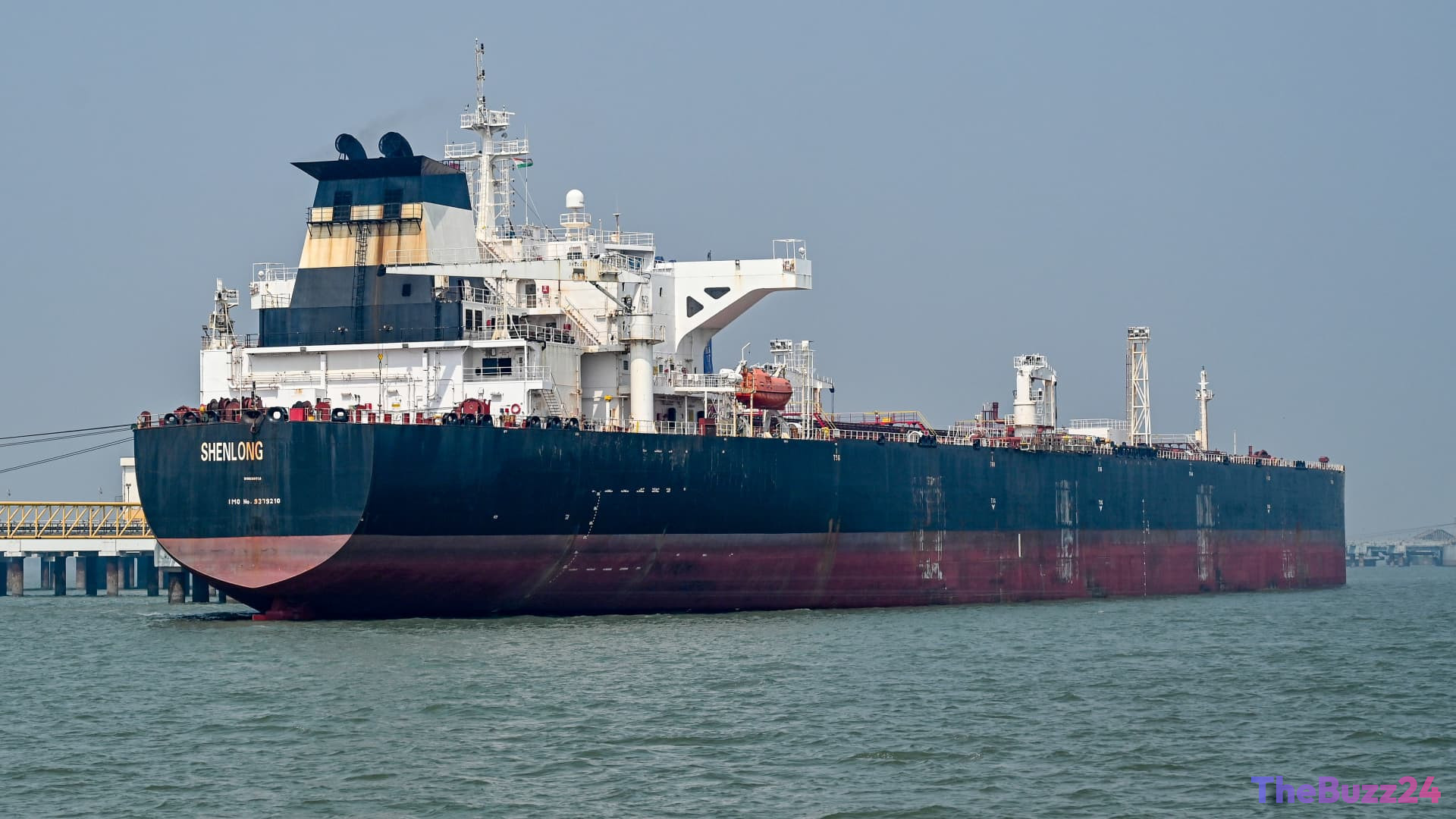
Oil Prices Surge as Middle East Tensions Escalate Following Diplomatic Standoff
Global oil markets experienced a sharp rally on Monday as geopolitical instability in the Middle East intensified. West Texas Intermediate futures for June delivery climbed 4.8% to reach $100.04 per barrel, while Brent crude futures for July delivery saw a 4.2% increase, settling at $105.49. These gains reflect a broader trend that has seen crude prices rise by approximately 40% since late February.
The upward pressure on prices follows comments from Israeli Prime Minister Benjamin Netanyahu, who signaled that military and strategic objectives regarding Iran remain incomplete. Netanyahu emphasized that significant work, including the dismantling of enrichment sites and the removal of nuclear materials, is still required. Simultaneously, U.S. President Donald Trump rejected a recent counterproposal from Iran aimed at de-escalating the ongoing conflict, labeling the terms as entirely unacceptable.
Market analysts at Citi have warned that the risks to oil prices remain skewed toward the upside. While high global inventories and strategic reserve releases have provided a temporary buffer, the uncertainty surrounding the potential reopening of the critical Strait of Hormuz remains a primary concern. Experts suggest that if diplomatic efforts continue to stall, the market may face prolonged supply disruptions, forcing a painful period of demand destruction that could disproportionately impact developing nations and strain global economic stability.
Key Takeaways
- Oil prices surged over 4% as diplomatic efforts between the U.S., Israel, and Iran hit a stalemate.
- Israeli leadership indicated that military and nuclear-related objectives in Iran are not yet concluded, fueling market anxiety.
- Analysts warn of potential 'demand destruction' and economic crises if supply disruptions in the Strait of Hormuz persist.
Editor’s Analysis & Impact
The current volatility in the oil market underscores the fragility of global energy supply chains when confronted with direct geopolitical confrontation. The rejection of diplomatic overtures by major stakeholders suggests that the ‘risk premium’ currently baked into oil prices is unlikely to dissipate in the near term. From an industry perspective, the market is bracing for a structural adjustment; as supply remains constrained, the burden of ‘demand destruction’ will likely shift toward price-sensitive economies. The broader implication is a potential decoupling of energy costs from traditional supply-demand fundamentals, as political maneuvering in the Middle East takes center stage. Investors should anticipate continued price swings and prepare for potential inflationary pressures as energy costs filter through to consumer goods and services.
Frequently Asked Questions
Q: Why are oil prices rising despite the existence of strategic petroleum reserves?
A: While strategic reserves provide a short-term buffer, the market is reacting to the long-term uncertainty regarding the Strait of Hormuz—a vital maritime chokepoint for global oil transit—and the lack of a clear diplomatic path to resolve the conflict.
Q: What is meant by 'demand destruction' in the context of the oil market?
A: Demand destruction refers to a scenario where high prices force consumers and industries to significantly reduce their consumption of a commodity, often leading to economic contraction or a shift in global consumption patterns.
AI Disclosure: This article is based on verified data and official reports. Our Team and AI have cross-referenced every financial detail with primary sources to ensure total accuracy.
More from this Category