High Fuel Prices Force Shift in American Dining Habits
The hospitality industry is facing significant headwinds as record-high fuel costs alter consumer spending patterns across the United States. With national gas prices consistently elevated, household budgets are under increasing strain, prompting a measurable decline in discretionary spending. Recent data indicates that nearly half of all drivers have curtailed their frequency of dining out or ordering takeout, contributing to a 2.3% year-over-year drop in restaurant traffic during the spring season.
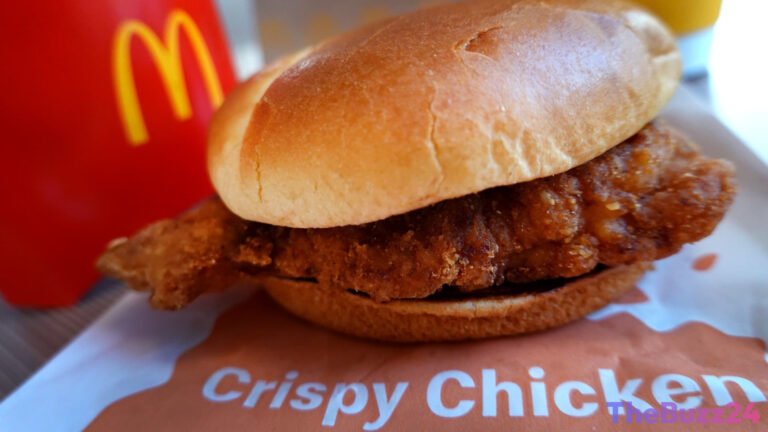
In response to this cooling demand, major restaurant chains are aggressively adjusting their business models to maintain customer loyalty. Brands like Applebee’s are leaning heavily into value-driven promotions, such as all-you-can-eat offerings, to attract diners who are otherwise choosing to prepare meals at home. Simultaneously, industry giants like McDonald’s are employing a ‘barbell’ strategy, which pairs budget-friendly menu items for price-sensitive customers with premium options designed to appeal to more affluent demographics who remain less affected by inflationary pressures.
Despite the widespread economic pressure, the impact on the sector remains inconsistent. While many establishments are struggling to maintain volume, brands such as Chipotle and Burger King have demonstrated resilience, suggesting that operational efficiency and strong brand positioning can buffer against macroeconomic volatility. Industry analysts suggest that this period of instability may ultimately lead to market consolidation, as well-capitalized chains leverage their resources to capture market share from weaker competitors struggling to adapt to the current fiscal environment.
Key Takeaways
- Rising fuel costs have led to a 2.3% decline in restaurant traffic as consumers prioritize household budgets over dining out.
- Restaurant chains are adopting 'barbell' pricing strategies and value-oriented promotions to retain customers across different income levels.
- Market performance is diverging, with resilient brands like Chipotle and Burger King successfully navigating economic headwinds better than their competitors.
Editor’s Analysis & Impact
The current shift in consumer dining behavior highlights the vulnerability of the hospitality sector to energy-related inflation. As fuel costs eat into disposable income, the restaurant industry is entering a period of ‘survival of the fittest.’ The divergence in performance between brands suggests that consumers are becoming increasingly selective, favoring chains that offer either clear value or high-quality brand differentiation. Looking ahead, we expect to see further consolidation in the market. Smaller, less efficient operators may struggle to survive, while larger chains with sophisticated supply chains and flexible pricing models will likely emerge stronger. The long-term outlook for the sector depends heavily on the stabilization of energy prices and the ability of restaurants to maintain margins without alienating a price-sensitive customer base.
Frequently Asked Questions
Q: How are rising gas prices affecting the restaurant industry?
A: Rising gas prices are reducing disposable income, leading consumers to dine out less frequently and causing a decline in overall restaurant traffic.
Q: What is the 'barbell' strategy used by restaurant chains?
A: The 'barbell' strategy involves offering both low-cost, value-oriented items for budget-conscious consumers and premium, higher-priced items for affluent customers to capture a wider market share.
AI Disclosure: This article is based on verified data and official reports. Our Team and AI have cross-referenced every financial detail with primary sources to ensure total accuracy.
More from this Category