India Calls for National Austerity Amid Escalating Middle East Energy Risks
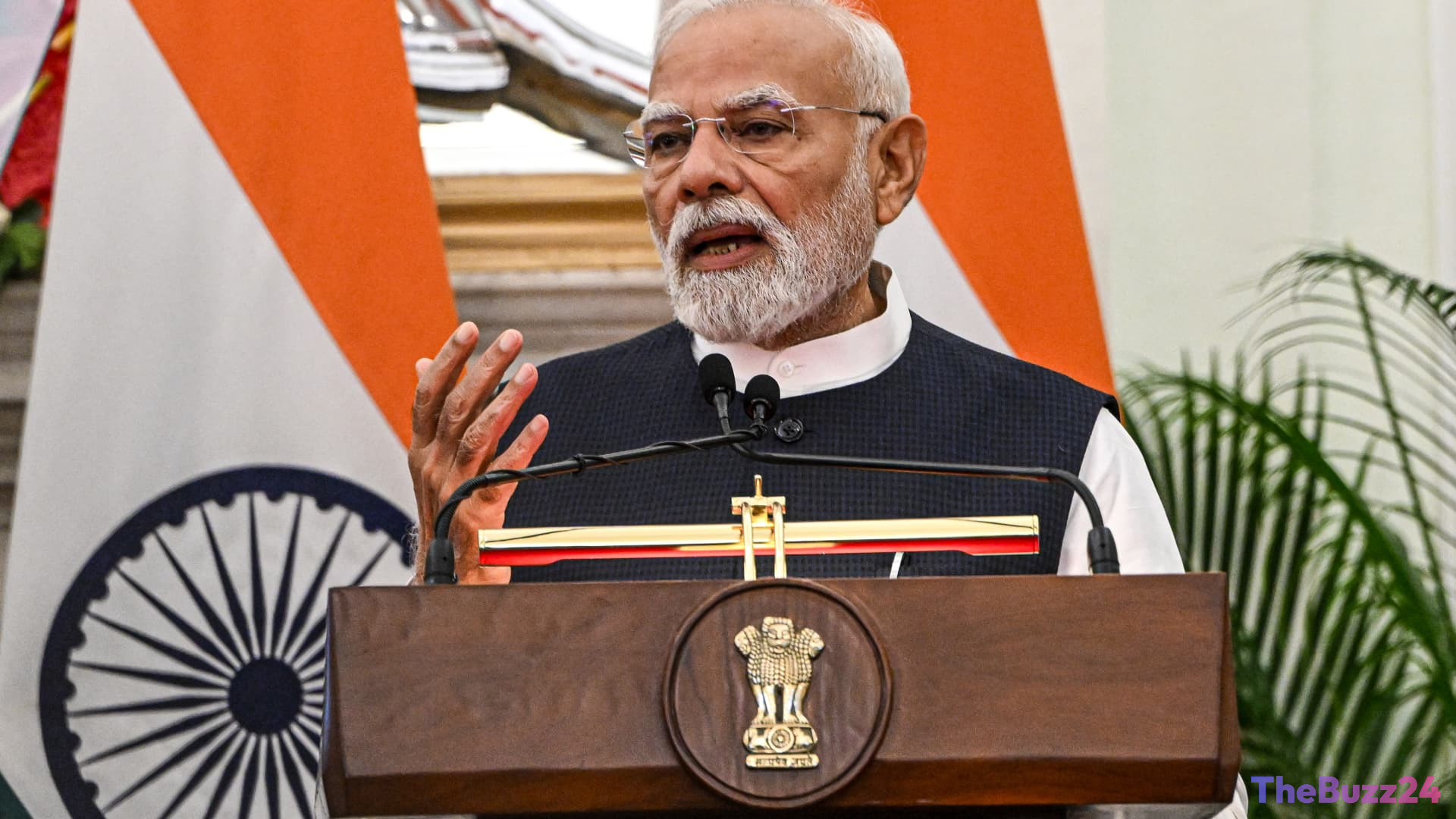
Prime Minister Narendra Modi has issued a formal appeal for national austerity, urging Indian citizens to adopt immediate resource and energy conservation practices. This proactive measure is a direct response to the intensifying conflict in the Middle East, which threatens to destabilize India’s economy by driving up the national import bill. The government is specifically targeting reductions in fuel consumption, international travel, and gold acquisitions to protect foreign currency reserves and stabilize the rupee.
India’s economic vulnerability is rooted in its heavy reliance on energy imports, with approximately 85% of its fuel requirements sourced from abroad. A significant portion of these supplies transits through the Strait of Hormuz, a critical maritime corridor currently at risk due to regional instability. As diplomatic efforts to de-escalate the conflict remain stalled, global oil prices have trended upward, forcing the government to manage a widening trade deficit while attempting to shield domestic consumers from extreme price volatility through strategic tax adjustments.
The economic impact is already manifesting across various sectors. Major players in the jewelry industry, such as Titan, have experienced downward pressure on their share prices, while aviation firms like IndiGo are struggling with the rising costs of international operations. As growth forecasts for the upcoming fiscal year face downward revisions, officials are emphasizing the necessity of collective burden-sharing between the state, private enterprises, and households to navigate this period of uncertainty.
While the government has not yet implemented mandatory austerity measures, the current call to action serves as a strategic buffer to maintain fiscal health. The administration continues to monitor the situation closely, attempting to balance the need for economic stability against the realities of an increasingly unpredictable global energy market.
Key Takeaways
- The Indian government is encouraging voluntary austerity, including reduced fuel usage and gold purchases, to preserve foreign currency reserves.
- India's 85% dependence on energy imports, particularly via the Strait of Hormuz, leaves the nation highly exposed to Middle East geopolitical instability.
- Rising energy costs are negatively impacting domestic sectors, with aviation and jewelry retail stocks showing signs of market strain.
Editor’s Analysis & Impact
The current energy crisis underscores the structural vulnerability of the Indian economy to external geopolitical shocks. By relying on the Strait of Hormuz for the vast majority of its energy imports, India remains at the mercy of regional stability in the Middle East. The government’s move to encourage voluntary austerity is a strategic attempt to manage the current account deficit without resorting to draconian fiscal policies that could stifle domestic consumption. However, if the conflict persists and oil prices remain elevated, the government may be forced to choose between further subsidizing fuel costs—which would strain the national budget—or allowing retail prices to rise, potentially triggering inflationary pressure. The long-term implication is a likely acceleration in India’s push toward energy diversification and domestic renewable infrastructure to reduce its dependence on volatile global oil markets.
Frequently Asked Questions
Q: Why is the Indian government asking citizens to reduce gold purchases?
A: Gold is a major import for India; reducing its purchase helps preserve foreign currency reserves, which are currently under pressure due to the rising cost of energy imports.
Q: How does the conflict in the Middle East specifically affect India's fuel supply?
A: India imports roughly 85% of its fuel, much of which passes through the Strait of Hormuz. Disruptions in this region due to war can lead to supply shortages and significantly higher global oil prices.
AI Disclosure: This article is based on verified data and official reports. Our Team and AI have cross-referenced every financial detail with primary sources to ensure total accuracy.
More from this Category