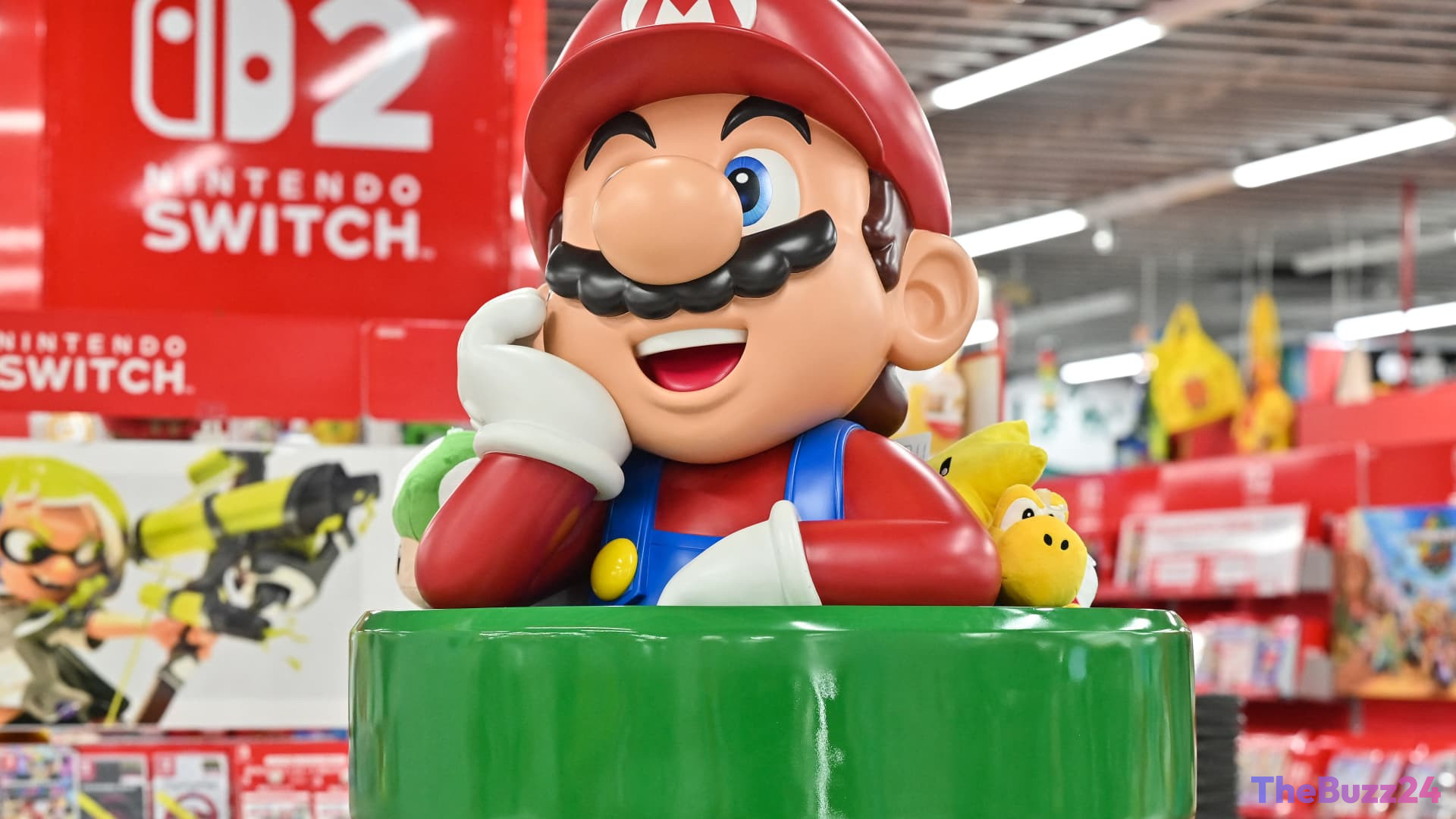
Nintendo Shares Slide as Hardware Costs and Conservative Sales Targets Weigh on Investors
Nintendo experienced a significant market setback on Monday, with shares tumbling 8.4% to finish at 7,020 yen in Tokyo. This latest downturn extends the company’s year-to-date losses to 34%, pushing its valuation to its lowest point since August 2024. The sell-off was triggered by the company’s disclosure of a price hike for its highly anticipated Switch 2 console, alongside a downward revision of its hardware sales expectations for the current fiscal year.
The strategic decision to increase the Switch 2’s price—by $50 in the United States and 10,000 yen in Japan—stems from the rising cost of essential memory components. A global surge in demand for artificial intelligence infrastructure has created a supply chain bottleneck, significantly inflating the price of hardware parts. In response to these pressures, Nintendo has adjusted its sales target to 16.5 million units for the fiscal year concluding in March 2027, a notable decrease from the 19.86 million units achieved in the prior period.
Investor sentiment remains fragile as the market evaluates how these price increases will affect consumer appetite. While some observers interpret the conservative guidance as a necessary measure to align with current economic realities, others fear that the higher entry cost could hinder adoption. With the company also projecting an 11% year-on-year decline in software sales, stakeholders are now turning their attention to upcoming product showcases. These events are expected to provide a clearer strategic roadmap and determine whether the brand can successfully navigate this challenging hardware cycle.
Key Takeaways
- Nintendo stock fell 8.4% following the announcement of higher Switch 2 pricing and reduced sales forecasts.
- Increased memory chip costs, driven by the global AI infrastructure boom, are the primary drivers behind the hardware price hike.
- The company has set a conservative sales target of 16.5 million units for the fiscal year ending in March 2027.
Editor’s Analysis & Impact
Nintendo’s recent market performance highlights the vulnerability of consumer electronics manufacturers to the broader semiconductor supply chain. By prioritizing AI-driven hardware, the tech industry has inadvertently squeezed the margins of gaming companies, forcing them to pass costs onto consumers. Nintendo’s conservative guidance is a strategic attempt to hedge against potential demand destruction caused by these price hikes. However, the company’s long-term success remains tethered to its ability to leverage its iconic intellectual property. If the upcoming software pipeline fails to generate sufficient excitement, the hardware transition could face significant friction. Investors should monitor the next major product showcase, as it will serve as a critical indicator of whether the company can maintain its market share in an increasingly expensive hardware environment.
Frequently Asked Questions
Q: Why is the price of the Nintendo Switch 2 increasing?
A: The price increase is primarily due to the rising costs of memory chips, which have become more expensive and harder to source due to the high demand for hardware components in the artificial intelligence sector.
Q: What is Nintendo's sales forecast for the upcoming fiscal year?
A: Nintendo has projected sales of 16.5 million units for the fiscal year ending in March 2027, which is a decrease from the 19.86 million units recorded during the previous launch period.
AI Disclosure: This article is based on verified data and official reports. Our Team and AI have cross-referenced every financial detail with primary sources to ensure total accuracy.
More from this Category