Urban Infrastructure Gets a High-Tech Upgrade Through AI-Powered Fleet Monitoring
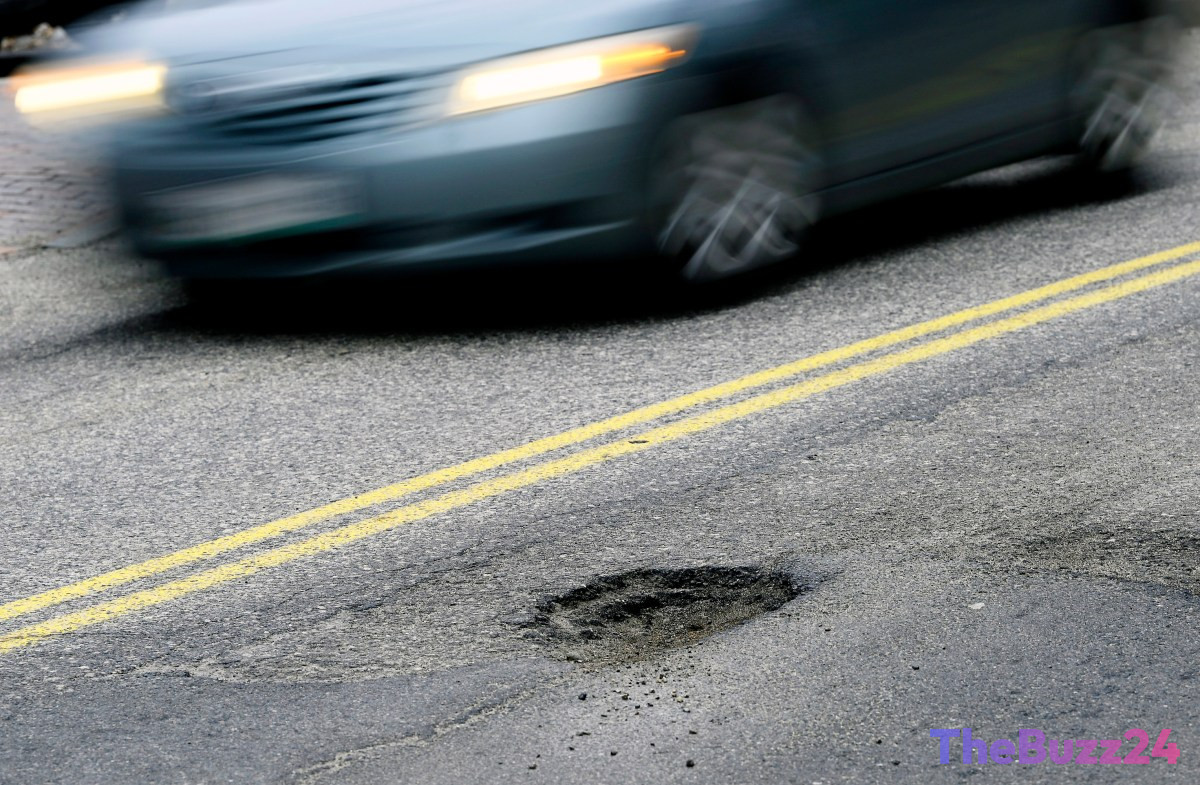
Municipalities are increasingly turning to advanced artificial intelligence to address the chronic issue of road degradation. By leveraging the existing camera infrastructure on commercial truck fleets, cities are transforming everyday delivery and service vehicles into a sophisticated, mobile sensor network. This initiative, spearheaded by fleet-management firm Samsara, utilizes a platform known as Ground Intelligence to analyze video feeds in real-time, identifying everything from minor surface cracks to severe potholes.
Unlike previous attempts at automated road monitoring that relied on expensive, dedicated autonomous vehicles, this approach utilizes the vast network of commercial trucks already operating on city streets. These vehicles, which are primarily equipped with cameras for safety and compliance monitoring, provide a continuous stream of data. The AI system processes this footage to categorize road hazards, assess the rate of deterioration, and even detect secondary infrastructure issues such as damaged guardrails, graffiti, or hazardous power lines.
City officials are now utilizing interactive mapping tools to visualize these hazards, allowing for a shift from reactive, complaint-based maintenance to a proactive, data-driven strategy. By aggregating repeat observations of specific road segments, maintenance crews can coordinate repairs more efficiently, addressing multiple issues in a single deployment. Major urban centers, including Chicago, have already begun integrating this technology into their public works operations.
Beyond road maintenance, the technology is finding applications in broader municipal services. The platform is being adapted to assist waste-management firms in verifying collection routes and helping public transit operators monitor ridership and safety protocols. By repurposing existing commercial assets, cities are gaining a comprehensive, real-time view of urban infrastructure health, ultimately reducing costs and improving public safety.
Key Takeaways
- Commercial truck fleets are being repurposed as mobile sensor networks to monitor urban infrastructure health.
- AI-driven analysis allows cities to transition from reactive pothole repairs to proactive, data-backed maintenance schedules.
- The technology extends beyond road repair to include waste management verification and public transit ridership monitoring.
Editor’s Analysis & Impact
The integration of AI-powered fleet monitoring into municipal infrastructure marks a significant shift in how cities manage public assets. By utilizing existing commercial infrastructure, municipalities can bypass the high capital expenditure typically associated with smart city initiatives. This model creates a symbiotic relationship between private fleet operators and public works departments, where data becomes a valuable commodity for urban planning. As this technology matures, we can expect to see a reduction in long-term infrastructure maintenance costs and a decrease in liability for cities. The broader implication is the rise of the ‘sensor-enabled city,’ where every vehicle becomes a data point, potentially leading to more efficient traffic management, improved emergency response times, and a more resilient urban environment. The scalability of this solution suggests that mid-sized cities will soon adopt similar frameworks to optimize their limited budgets.
Frequently Asked Questions
Q: How does the system identify road hazards?
A: The system uses AI to analyze video streams from cameras already installed on commercial trucks. It identifies patterns associated with potholes and other infrastructure damage, assessing their severity and progression over time.
Q: Is this technology limited only to pothole detection?
A: No, the platform is versatile. It can detect various infrastructure issues like graffiti and broken guardrails, and it is also being used for waste management verification and public transit ridership monitoring.
AI Disclosure: This article is based on verified data and official reports. Our Team and AI have cross-referenced every financial detail with primary sources to ensure total accuracy.
More from this Category