Google Pivots to AI-Native Computing with New ‘Googlebook’ Line and Android Overhaul
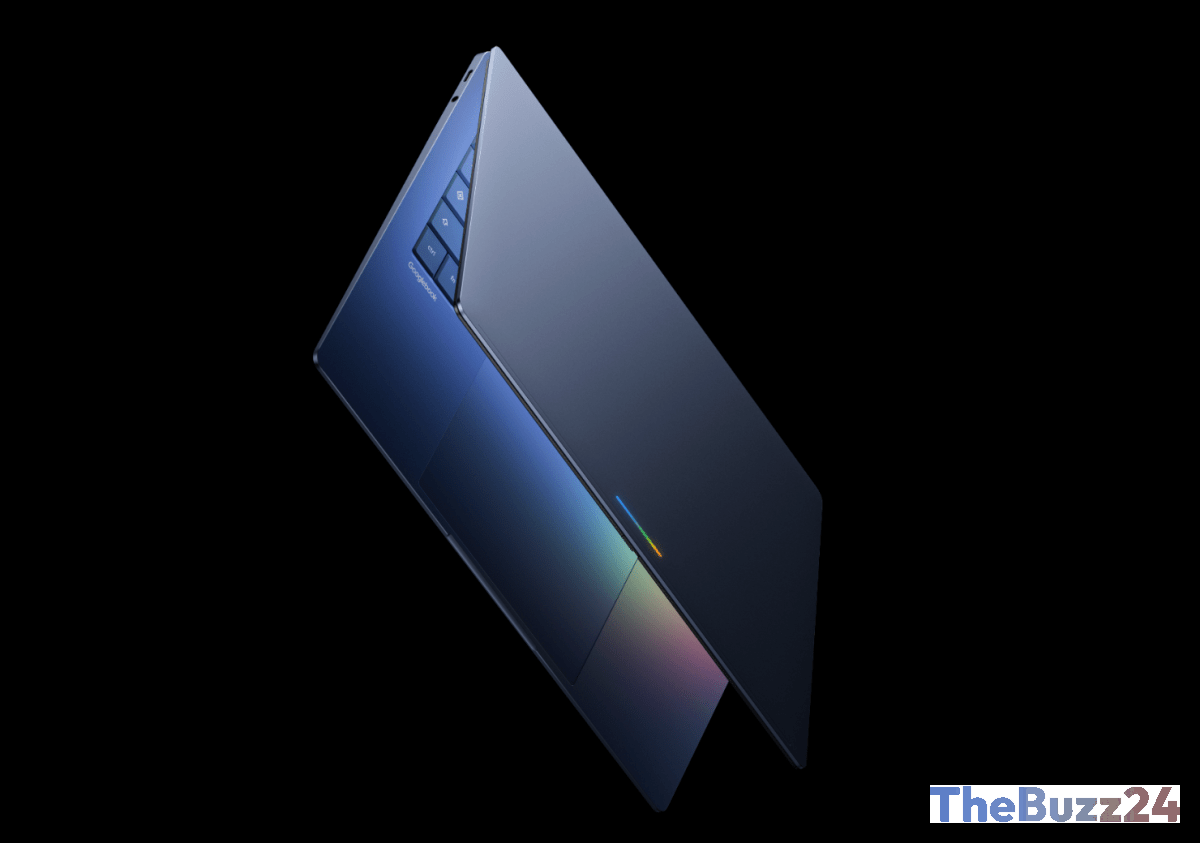
Google has officially announced a major expansion of its hardware and software ecosystem, anchored by the introduction of ‘Googlebook,’ a new series of laptops engineered specifically to leverage Gemini Intelligence. Developed in partnership with industry leaders such as Dell, HP, Lenovo, Asus, and Acer, these devices are designed to provide proactive AI assistance and deep integration with Android smartphones. Key features include a specialized ‘Magic Pointer’ cursor and cross-platform app functionality, signaling a strategic shift toward AI-native computing when the devices hit the market this fall.
The mobile experience is also undergoing a significant transformation. Google is introducing ‘Create My Widget,’ an AI-driven tool that enables users to generate custom home screen widgets through natural language prompts. This feature is set to debut this summer on Pixel and Samsung Galaxy devices. Simultaneously, Android Auto is receiving an update that supports full-screen video playback and enhanced hands-free task management via Gemini. Additionally, the Gboard keyboard is gaining a ‘Rambler’ feature, which utilizes real-time processing to remove filler words and refine dictation automatically.
Security and cross-platform connectivity are central to this update cycle. Google is implementing global theft-protection measures, including automatic remote locking, while simplifying the migration process for users switching from iOS to Android. This streamlined transition allows for the seamless transfer of passwords, photos, and home screen layouts. Furthermore, Quick Share capabilities are being expanded to support file transfers to iPhones via QR codes and direct integration into messaging platforms like WhatsApp.
For power users and creators, the update introduces new screen reaction tools optimized for social media workflows and specialized editing features for Meta applications. To promote digital well-being, a new ‘Pause Point’ feature will introduce intentional friction for distracting apps, encouraging users to take breaks. These advancements, coupled with the integration of Gemini into the Chrome browser, underscore Google’s aggressive strategy to embed artificial intelligence into every layer of the user experience.
Key Takeaways
- Google is launching 'Googlebook' laptops in partnership with major manufacturers to serve as AI-native hardware powered by Gemini.
- New Android features include AI-generated widgets, enhanced theft protection, and a simplified migration process for users switching from iOS.
- Digital well-being and productivity are being prioritized through new tools like 'Pause Point' and real-time dictation refinement in Gboard.
Editor’s Analysis & Impact
Google’s latest announcement represents a calculated effort to unify its fragmented ecosystem under the banner of Gemini Intelligence. By moving toward ‘AI-native’ hardware, the company is attempting to replicate the vertical integration success seen by competitors, effectively locking users into a cohesive loop of smartphones, laptops, and browser-based services. The focus on cross-platform compatibility, particularly with iOS, suggests a defensive strategy aimed at lowering the barrier to entry for new users. As AI becomes the primary interface for computing, Google’s ability to seamlessly weave these tools into daily workflows—from social media creation to security—will be the defining factor in maintaining its market dominance against emerging AI-first hardware startups and established tech giants.
Frequently Asked Questions
Q: What is the primary purpose of the new 'Googlebook' laptops?
A: The 'Googlebook' laptops are engineered specifically to support Gemini Intelligence, offering proactive AI assistance and seamless integration with Android devices.
Q: How does the new 'Pause Point' feature work?
A: The 'Pause Point' feature is designed to improve digital well-being by introducing intentional friction for apps deemed distracting, encouraging users to take breaks or focus on more productive tasks.
AI Disclosure: This article is based on verified data and official reports. Our Team and AI have cross-referenced every financial detail with primary sources to ensure total accuracy.
More from this Category