UK Sets Bold New Course: King Charles III Unveils Massive Legislative Reform Plan
The formal opening of Parliament by King Charles III has signaled a major shift in the United Kingdom’s governance. The monarch presented a sweeping legislative roadmap intended to anchor the nation during a period of intense economic and political uncertainty. This ceremony marks the official commencement of a government-led effort to define its priorities for the coming term.
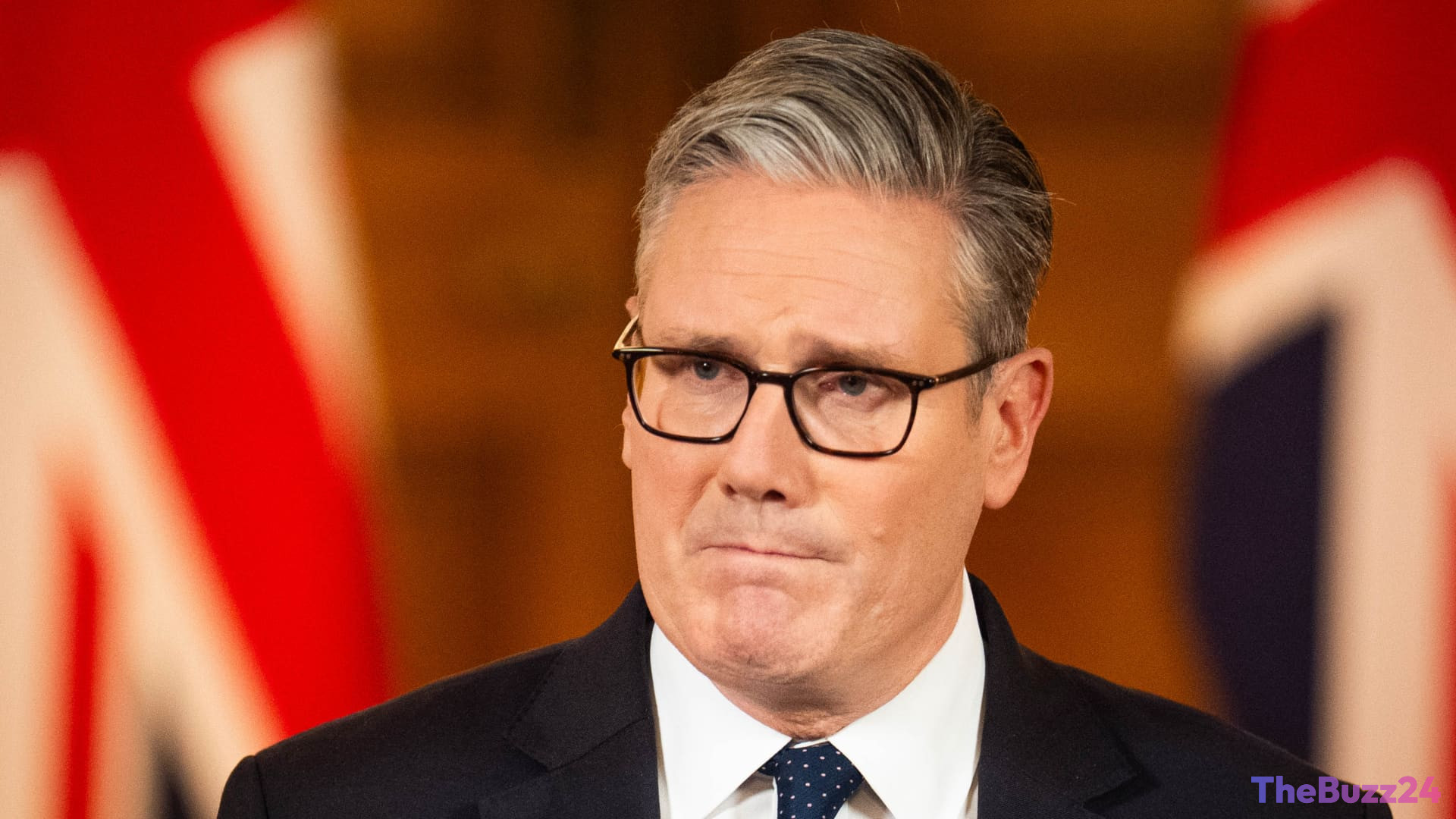
This legislative push arrives as Prime Minister Keir Starmer faces mounting pressure. Following recent local election setbacks, the Prime Minister is working to consolidate power within the Labour Party and mitigate internal dissent that threatens to undermine his administration’s effectiveness. The administration is currently focused on maintaining party unity to ensure that governance remains the primary focus.
The proposed agenda is ambitious, encompassing more than 35 distinct bills and draft measures. These reforms are designed to tackle long-standing economic stagnation and modernize essential public services. Central to this strategy are initiatives focused on bolstering energy and national security, alongside a strategic reassessment of the United Kingdom’s relationship and trade dynamics with the European Union.
By prioritizing these structural reforms, the government aims to transition the national discourse from partisan infighting to long-term economic resilience. The successful execution of this program will be vital for stabilizing international market confidence and ensuring domestic stability in an increasingly complex global landscape.
Key Takeaways
- King Charles III has introduced a legislative agenda featuring over 35 bills to address national stability.
- Prime Minister Keir Starmer is navigating internal Labour Party tensions following recent election results.
- The government's priorities include energy security, national defense, and refining EU trade relations.
Editor’s Analysis & Impact
The introduction of such an expansive legislative package represents a strategic pivot for the Starmer administration. By shifting the focus toward concrete policy—specifically energy security and EU relations—the government is attempting to outpace the noise of internal party politics. For the financial sector, the stakes are high; the volatility in UK gilts suggests that markets are closely watching for signs of political cohesion. If the administration can successfully navigate the legislative process without being derailed by Labour Party infighting, it could provide the stability necessary for economic recovery. However, any significant legislative gridlock could exacerbate market anxiety and undermine the government’s credibility on the global stage.
Frequently Asked Questions
Q: What is the main goal of the new legislative roadmap?
A: The roadmap aims to combat economic stagnation, improve public services, and enhance national and energy security.
Q: Why is this happening now?
A: The agenda is being introduced to provide stability amidst political volatility and leadership challenges within the current administration.
AI Disclosure: This article is based on verified data and official reports. Our Team and AI have cross-referenced every financial detail with primary sources to ensure total accuracy.
More from this Category