Notion Transforms Into AI Command Center with New Developer Platform
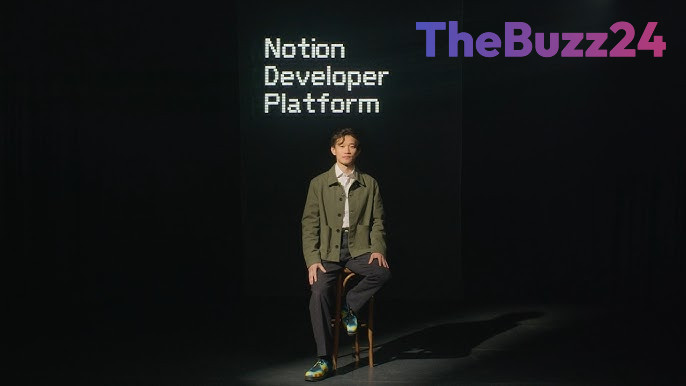
Notion is undergoing a significant strategic evolution, transitioning from a traditional collaborative workspace into a robust hub for artificial intelligence orchestration. By launching a comprehensive developer platform, the company is positioning its software as the central infrastructure for managing AI agents and automated workflows. This move is designed to bridge the gap between internal company data and the rapidly expanding ecosystem of external AI tools.
A cornerstone of this expansion is the introduction of ‘Workers,’ a secure, cloud-based environment that enables teams to deploy custom code directly within the Notion ecosystem. This functionality resolves previous limitations where AI teammates were isolated from external data sources. With Workers, users can synchronize information from platforms such as Salesforce, Zendesk, and Postgres, while triggering automated actions via webhooks. This effectively transforms Notion into a programmable environment for complex knowledge work.
Beyond internal automation, the platform now facilitates seamless interaction with external AI agents. Users can integrate third-party tools like Claude Code, Cursor, and Decagon, allowing these agents to function within the Notion workspace as if they were native features. This connectivity is bolstered by an External Agent API, which grants companies the flexibility to link proprietary AI solutions directly to their existing Notion databases.
Currently available to Business and Enterprise subscribers through the Notion CLI, this shift marks a departure from the company’s origins as a simple note-taking application. By integrating live data, custom code, and AI agents into a unified interface, Notion is establishing itself as a critical component of the modern enterprise tech stack, aiming to serve as the primary command center for automated business operations.
Key Takeaways
- Notion has launched a developer platform that allows for the deployment of custom code and AI orchestration directly within its workspace.
- The new 'Workers' feature enables real-time data synchronization with external platforms like Salesforce and Zendesk, turning Notion into a programmable infrastructure.
- The platform now supports integration with third-party AI agents, allowing them to operate natively within the Notion environment via a new External Agent API.
Editor’s Analysis & Impact
Notion’s pivot toward AI orchestration represents a calculated move to secure its relevance in an increasingly automated enterprise landscape. By evolving from a passive document repository into an active, programmable command center, Notion is attempting to solve the ‘fragmentation problem’ that plagues many modern businesses. The ability to host custom code and integrate external AI agents directly where data lives reduces context switching and increases operational efficiency. If successful, this strategy could shift Notion from a ‘nice-to-have’ productivity tool to an essential ‘operating system’ for business workflows. However, the company faces stiff competition from other enterprise platforms attempting similar integrations. The long-term success of this initiative will depend on the stability of its developer ecosystem and the ease with which non-technical teams can adopt these advanced automation features.
Frequently Asked Questions
Q: Who can access the new developer platform features?
A: The new developer platform features, including the Notion CLI, are currently available to Business and Enterprise subscribers.
Q: Can I connect my own proprietary AI to Notion?
A: Yes, the new External Agent API allows companies to link their own proprietary AI solutions directly to their Notion databases.
AI Disclosure: This article is based on verified data and official reports. Our Team and AI have cross-referenced every financial detail with primary sources to ensure total accuracy.
More from this Category