Anthropic Pivots to Autonomous AI Agent Fleets to Revolutionize Enterprise Workflows
Artificial intelligence developer Anthropic is steering its flagship model, Claude, away from simple conversational interactions toward fully integrated, autonomous workforce solutions. This strategic evolution aims to transform the AI from a passive assistant into an active, collaborative partner capable of managing complex technical workflows, particularly in software development and project management.
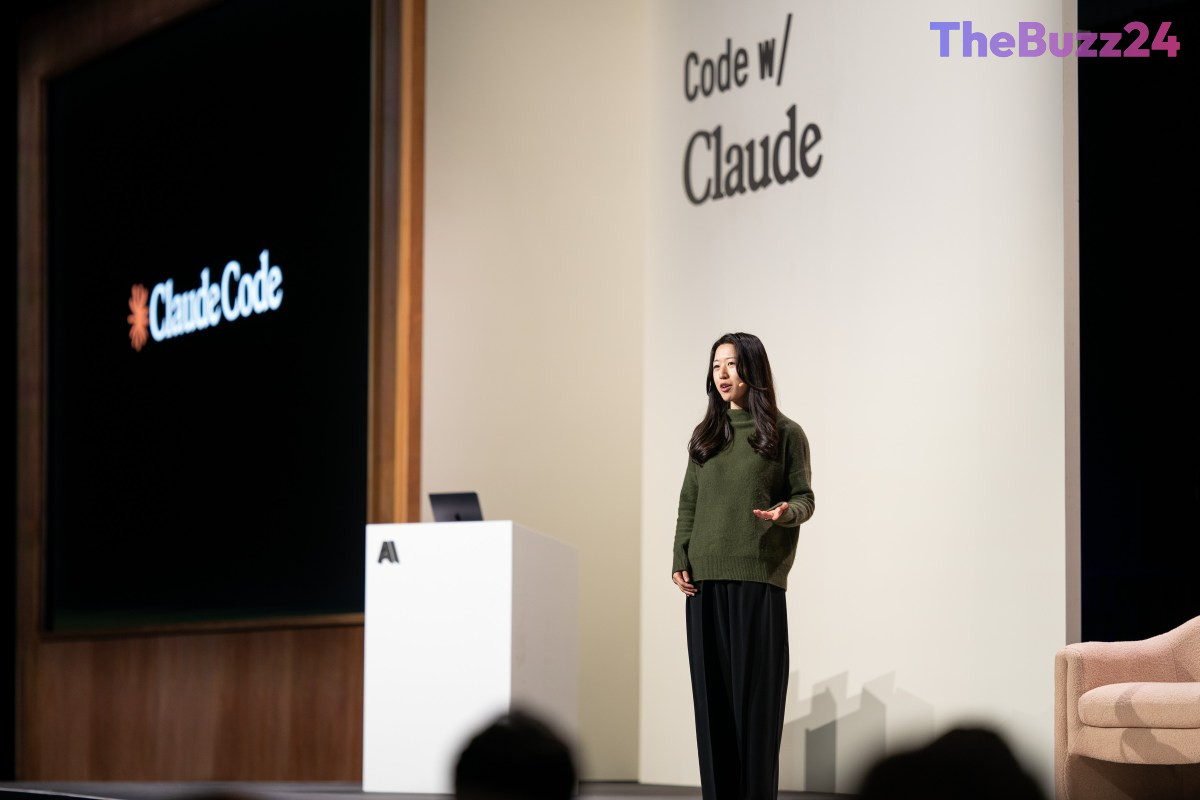
Under the leadership of product lead Cat Wu and technical lead Boris Cherny, the company is accelerating its development cycle to push the boundaries of AI capabilities while maintaining strict safety standards. By enabling Claude to execute multi-step operations independently, Anthropic is laying the groundwork for a future where human professionals transition from performing manual tasks to supervising fleets of autonomous AI agents.
A cornerstone of this transition is the “Glasswing” initiative, a security-focused program that grants major technology partners—including Apple, Amazon, and Microsoft—controlled access to Anthropic’s specialized cybersecurity model, Mythos. This initiative allows these industry leaders to utilize advanced vulnerability-scanning capabilities under secure conditions, ensuring powerful security tools are deployed responsibly without increasing the risk of malicious exploitation.
Ultimately, Anthropic envisions a workplace where repetitive administrative burdens are eliminated. By training Claude to anticipate user needs and manage workflows independently, the company aims to free up human workers to focus their expertise on high-level creative strategy and complex problem-solving.
Key Takeaways
- Anthropic is shifting its flagship AI, Claude, from a conversational chatbot to an autonomous enterprise agent capable of managing complex workflows.
- The 'Glasswing' initiative provides tech giants like Apple, Amazon, and Microsoft with secure access to Anthropic's Mythos cybersecurity model.
- The company's long-term vision transitions human workers from manual task execution to supervisory roles overseeing autonomous AI fleets.
Editor’s Analysis & Impact
Anthropic’s strategic pivot marks a significant evolution in the AI sector, transitioning from consumer-oriented chatbots to highly specialized, agentic enterprise systems. By focusing on proactive workflow integration, Anthropic is positioning its models as essential infrastructure for modern businesses. The ‘Glasswing’ initiative is a highly strategic move, fostering deep integration and trust with tech giants like Microsoft, Amazon, and Apple, thereby establishing a strong competitive moat. However, deploying fully autonomous AI agents introduces complex safety and reliability challenges. Enterprise clients and regulators will undoubtedly scrutinize these autonomous workflows. The ultimate success of this transition will be measured not by conversational fluency, but by the AI’s ability to execute complex, multi-step tasks reliably without human intervention.
Frequently Asked Questions
Q: What is Anthropic's 'Glasswing' initiative?
A: The Glasswing initiative is a security-focused program that grants select technology partners, such as Apple, Amazon, and Microsoft, controlled access to Anthropic's specialized cybersecurity model, Mythos, for advanced vulnerability scanning.
Q: How will Anthropic's shift affect human job roles?
A: Instead of performing repetitive manual tasks, human workers are expected to transition into supervisory roles, managing fleets of autonomous AI agents that handle routine workflows, allowing humans to focus on high-level strategy and creative problem-solving.
AI Disclosure: This article is based on verified data and official reports. Our Team and AI have cross-referenced every financial detail with primary sources to ensure total accuracy.
More from this Category