The Critical Ground Force Powering NASA’s Aerospace Breakthroughs
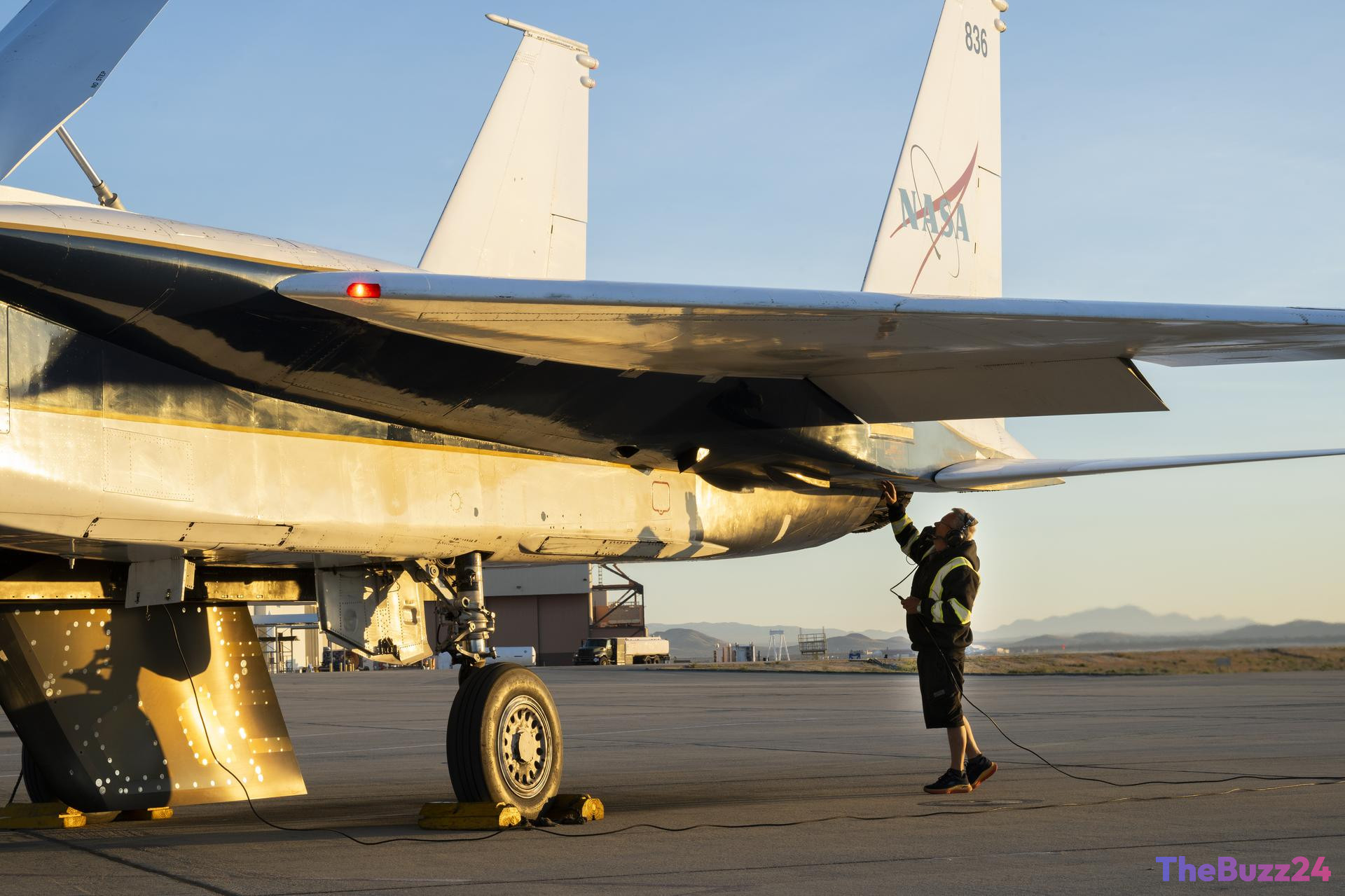
Behind every successful high-altitude mission and experimental test flight at NASA’s Armstrong Flight Research Center in Edwards, California, lies a dedicated team of maintenance professionals. These ground crews serve as the backbone of the agency’s aeronautics program, ensuring that a complex and varied fleet of aircraft remains mission-ready for critical scientific research. Their work is essential to maintaining the operational integrity of vehicles that push the boundaries of modern aviation.
The operational environment at the center is uniquely challenging due to the diversity of the fleet. Maintenance teams must manage everything from tactical F-15 fighters and versatile Pilatus PC-12 aircraft to specialized platforms like the high-altitude ER-2 and the cutting-edge X-59 X-plane. Because each aircraft is customized for specific scientific goals—ranging from geological surveys to supporting rocket launches—technicians must possess the agility to pivot between routine maintenance and complex, mission-specific reconfigurations.
To ensure peak performance and safety, NASA utilizes a structured hierarchy where each aircraft is overseen by a crew chief. This lead coordinates a multidisciplinary team of avionics technicians, quality assurance specialists, and mechanics. Their responsibilities span from repairing intricate navigation systems to ensuring the reliability of life-critical components like ejection seats. A culture of safety permeates every task, culminating in a mandatory, collaborative pre-flight walk-around performed by both the pilot and the crew chief.
This rigorous attention to detail enables NASA to maintain a global operational presence. With research missions frequently deployed to diverse environments from Colorado to Panama, the unwavering dedication of these ground crews allows the agency to conduct high-stakes aeronautical discovery safely and consistently. Their expertise remains the silent engine driving the future of flight research.
Key Takeaways
- NASA’s Armstrong Flight Research Center relies on highly specialized ground crews to manage a diverse and complex fleet of research aircraft.
- Maintenance teams must demonstrate extreme technical agility to support experimental platforms like the X-59 alongside legacy aircraft.
- A strict culture of safety, highlighted by collaborative pre-flight inspections, is fundamental to the agency's ability to conduct global research missions.
Editor’s Analysis & Impact
The maintenance operations at the Armstrong Flight Research Center represent a critical, often overlooked component of the aerospace industry. As NASA transitions toward more experimental platforms like the X-59, the role of ground crews becomes increasingly complex, requiring a blend of traditional mechanical expertise and advanced avionics knowledge. The ability to maintain such a heterogeneous fleet—spanning legacy aircraft and cutting-edge prototypes—is a testament to the agency’s operational resilience. Looking forward, as the demand for high-altitude climate data and supersonic research grows, the efficiency of these maintenance teams will be a primary enabler for mission success. The integration of digital twin technology and predictive maintenance will likely be the next frontier for these teams, further enhancing the safety and availability of NASA’s research assets on a global scale.
Frequently Asked Questions
Q: What types of aircraft are maintained at the Armstrong Flight Research Center?
A: The center maintains a diverse fleet including F-15s, the Pilatus PC-12, the high-altitude ER-2, and the experimental X-59 X-plane.
Q: Who is responsible for the final safety check before a NASA research flight?
A: Before any mission, the assigned pilot and the aircraft's crew chief conduct a final, collaborative safety walk-around to verify the integrity of the aircraft.
AI Disclosure: This article is based on verified data and official reports. Our Team and AI have cross-referenced every financial detail with primary sources to ensure total accuracy.
More from this Category