Rising Tensions in Luhansk: Moscow Promises Retaliation After Deadly Dormitory Strike
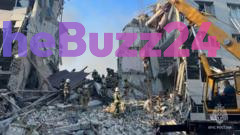
Russian President Vladimir Putin has vowed a significant retaliatory response following a lethal strike on a student dormitory in the occupied Luhansk region. The incident, which occurred in the town of Starobilsk, reportedly resulted in six confirmed deaths, 39 injuries, and 15 individuals still unaccounted for. Moscow has firmly denied that any military infrastructure was located near the site, rejecting suggestions that the destruction was the result of a failed Russian air defense operation.
According to reports from the Russian military, the attack involved multiple waves of drone strikes. In the wake of the casualties, the Kremlin has ordered the development of strategic counter-strike proposals. While officials have emphasized the impact on the student population, the lack of visual evidence regarding the reported fatalities has left the international community seeking further verification of the event.
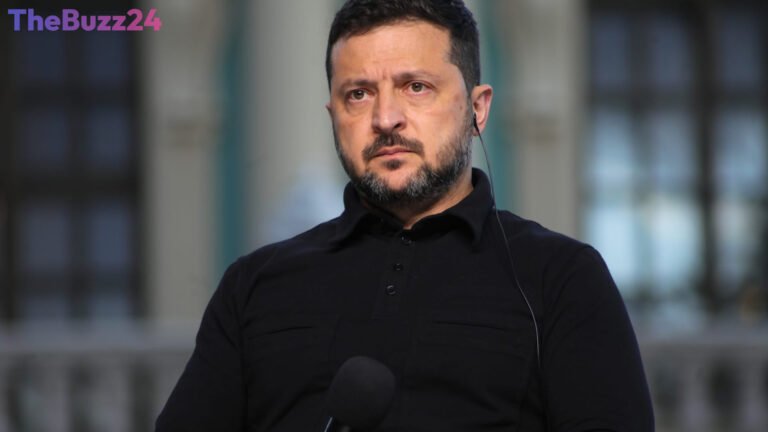
The conflict has simultaneously intensified across other fronts, with Russian authorities reporting drone-induced fires at an oil depot in the Black Sea port of Novorossiysk and damage to residential properties in Anapa. These developments follow claims from Ukrainian President Volodymyr Zelensky regarding a successful strike on an FSB headquarters in the Kherson region, which allegedly caused substantial casualties among Russian personnel.
As the conflict persists, both nations remain locked in a battle of narratives. Ukraine maintains that its tactical operations are strictly focused on legitimate military assets, such as the Rubicon drone unit headquarters in Starobilsk, and are conducted in accordance with international humanitarian law. In contrast, Moscow continues to characterize these actions as deliberate attacks on civilian infrastructure, a recurring theme in the ongoing war that began in 2022.
Key Takeaways
- A deadly strike on a student dormitory in Starobilsk has resulted in at least six deaths and dozens of injuries, prompting a vow of retaliation from Vladimir Putin.
- The conflict has expanded to include drone attacks on critical infrastructure, including an oil depot in Novorossiysk and residential areas in Anapa.
- Both Russia and Ukraine maintain conflicting accounts regarding the nature of their strikes, with Ukraine claiming to target military assets while Russia accuses them of targeting civilians.
Editor’s Analysis & Impact
The escalation in the Luhansk region signals a shift toward more aggressive, high-stakes drone warfare that increasingly blurs the line between military and civilian targets. By targeting infrastructure like oil depots and administrative headquarters, both sides are attempting to degrade the other’s logistical capabilities while simultaneously engaging in a high-stakes information war. The Russian vow of retaliation suggests that the Kremlin is under pressure to demonstrate strength, likely leading to a new wave of intensified strikes on Ukrainian territory. As the conflict continues to expand geographically, the risk of collateral damage to civilian populations remains at an all-time high. The inability of international observers to verify specific claims on the ground further complicates diplomatic efforts, ensuring that the war remains in a state of volatile, high-intensity attrition for the foreseeable future.
Frequently Asked Questions
Q: What was the primary target of the strike in Starobilsk?
A: While Russia claims the strike hit a student dormitory with no military presence, Ukraine asserts that the target was the Rubicon drone unit headquarters.
Q: Have there been other recent incidents in the conflict?
A: Yes, Russian officials reported drone-related fires at an oil depot in Novorossiysk and damage to homes in Anapa, while Ukraine claimed a successful strike on an FSB headquarters in Kherson.
AI Disclosure: This article is based on verified data and official reports. Our Team and AI have cross-referenced every financial detail with primary sources to ensure total accuracy.
More from this Category