Kevin Warsh Assumes Federal Reserve Chairmanship Amidst Political Scrutiny and Economic Headwinds
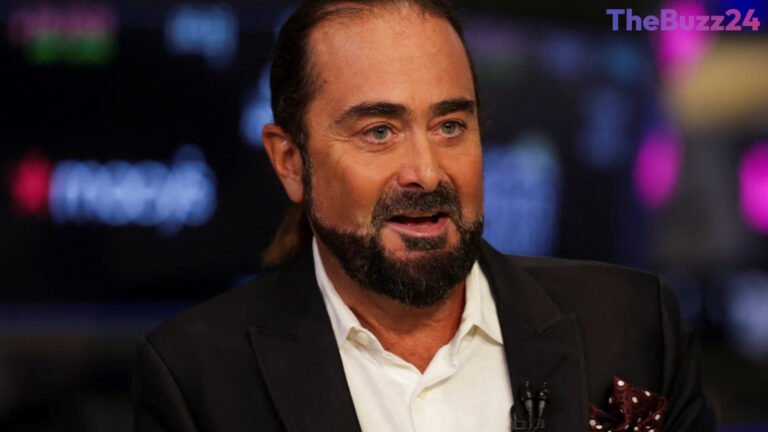
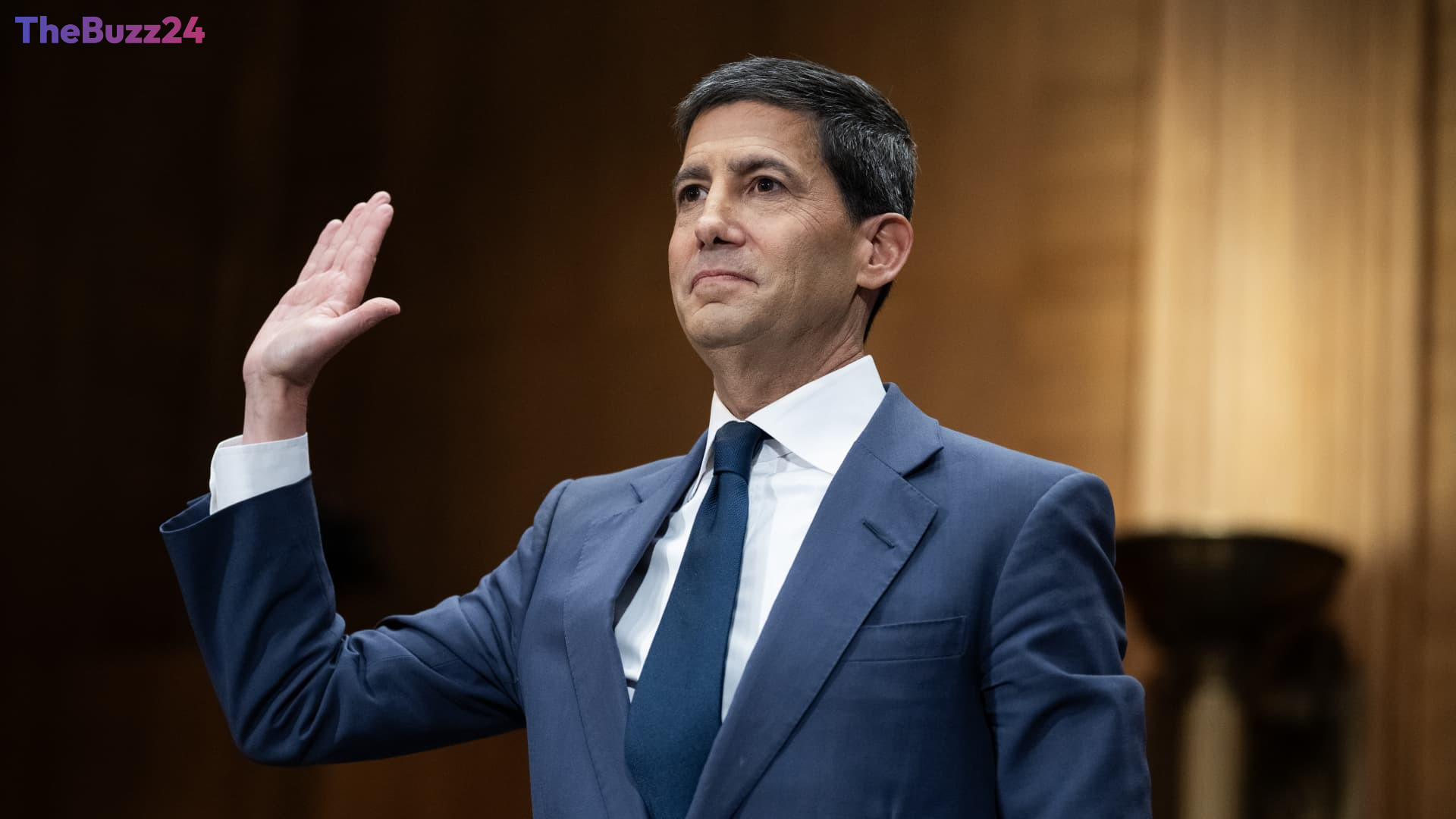
Kevin Warsh has officially taken the helm as the new Chair of the Federal Reserve, confirmed with a historically narrow 54 votes. This appointment marks a pivotal moment, fulfilling President Donald Trump’s long-standing desire for a leadership change at the central bank, a decision that reverses his reported regret over initially appointing Jerome Powell in 2017. Warsh’s tenure commences in an intensely politicized environment, prompting widespread speculation among market observers regarding his capacity to uphold the Fed’s crucial independence and whether he will encounter similar challenges to those faced by his predecessor.
The confirmation process saw Warsh receive the weakest Senate backing for a Fed chair since the position became subject to Senate approval in 1977. Only Senator John Fetterman of Pennsylvania broke party lines to cast a “yes” vote, a stark contrast to the unanimous support Warsh enjoyed for a Fed governorship in 2006. This deeply divided endorsement, including opposition from Minority Leader Senator Chuck Schumer, places Warsh at a distinct political disadvantage compared to Powell, who cultivated vital congressional alliances. Notably, Senator Thom Tillis played a role in facilitating Warsh’s path by reportedly threatening to delay his confirmation until a criminal investigation involving the Fed, led by U.S. Attorney for the District of Columbia Jeanine Pirro, was concluded.
Despite skepticism from some critics, such as Senator Elizabeth Warren, who controversially labeled him a “sock puppet” for President Trump, Warsh’s past actions suggest a potential for an independent stance. He previously advised Trump against dismissing Powell, a move that, while personally beneficial to Warsh, could have severely undermined the Federal Reserve’s credibility. Known for his conservative economic principles and having studied under Milton Friedman, Warsh is also described by associates like Stanford economist John Cogan as someone capable of appreciating diverse perspectives and fostering consensus. These attributes will be immediately put to the test within the Federal Reserve, where he confronts a committee of interest-rate setters grappling with concerns over resurgent inflation, with the consumer price index recently climbing to 3.8%.
Warsh’s stated primary objective is to restore the Federal Reserve’s credibility, shifting its focus away from an over-reliance on short-term economic data and fundamentally revamping its communication strategies. This ambitious vision, however, appears to clash with President Trump’s persistent demands for swift interest rate reductions—a promise Warsh explicitly clarified he never made during his confirmation hearing. While Warsh aims to reform the central bank’s approach to forward guidance and its relationship with the Treasury Department, the market, as indicated by CME FedWatch, currently assigns only a 1% probability of rate cuts occurring this year. The coming months will be critical in determining whether Warsh can successfully navigate these complex internal and external pressures, deliver on his mandate, and preserve the Fed’s vital role as a stabilizing force in the economy.
Key Takeaways
- Kevin Warsh was confirmed as Federal Reserve Chair with historically low Senate support (54 votes), signaling a politically charged tenure.
- He faces immediate challenges balancing the Fed's independence against political pressures, particularly from President Trump's demands for rate cuts, and addressing resurgent inflation.
- Warsh aims to reform the Fed's credibility and communication, but market expectations for immediate rate cuts remain low, setting the stage for a critical period.
Editor’s Analysis & Impact
Warsh’s appointment, marked by significant political division, introduces a layer of uncertainty for financial markets. Investors will closely monitor any signs of the Federal Reserve’s independence being compromised, which could impact bond yields, currency valuations, and interest-rate-sensitive sectors. The low probability of rate cuts this year, despite political pressure, suggests a cautious market outlook.
The coming months will be crucial for Warsh to establish his authority and demonstrate the Fed’s commitment to its dual mandate of price stability and maximum employment. His ability to resist political interference while effectively addressing inflation (currently at 3.8%) will define his early tenure.
This appointment tests the long-standing principle of Federal Reserve independence. A perceived erosion of this independence could undermine global confidence in the U.S. central bank, potentially leading to greater market volatility and questions about the integrity of monetary policy decisions. The outcome will set a precedent for future Fed leadership appointments.
Frequently Asked Questions
Q: Who is Kevin Warsh and what is his new role?
A: Kevin Warsh is a conservative economist and former Federal Reserve governor who has been confirmed as the new Chair of the Federal Reserve. In this role, he leads the U.S. central bank, responsible for monetary policy decisions.
Q: Why was Warsh's confirmation considered controversial?
A: His confirmation garnered historically low Senate support (54 votes), reflecting significant political division. Concerns were raised about his perceived alignment with President Trump's economic views and the potential impact on the Federal Reserve's independence.
Q: What are the immediate challenges Kevin Warsh faces as Fed Chair?
A: Warsh faces the immediate challenge of navigating political pressure for interest rate cuts from President Trump while simultaneously addressing resurgent inflation (currently at 3.8%). He also aims to restore the Fed's credibility and revamp its communication strategies amidst low market expectations for rate cuts this year.
AI Disclosure: This article is based on verified data and official reports. Our Team and AI have cross-referenced every financial detail with primary sources to ensure total accuracy.
More from this Category