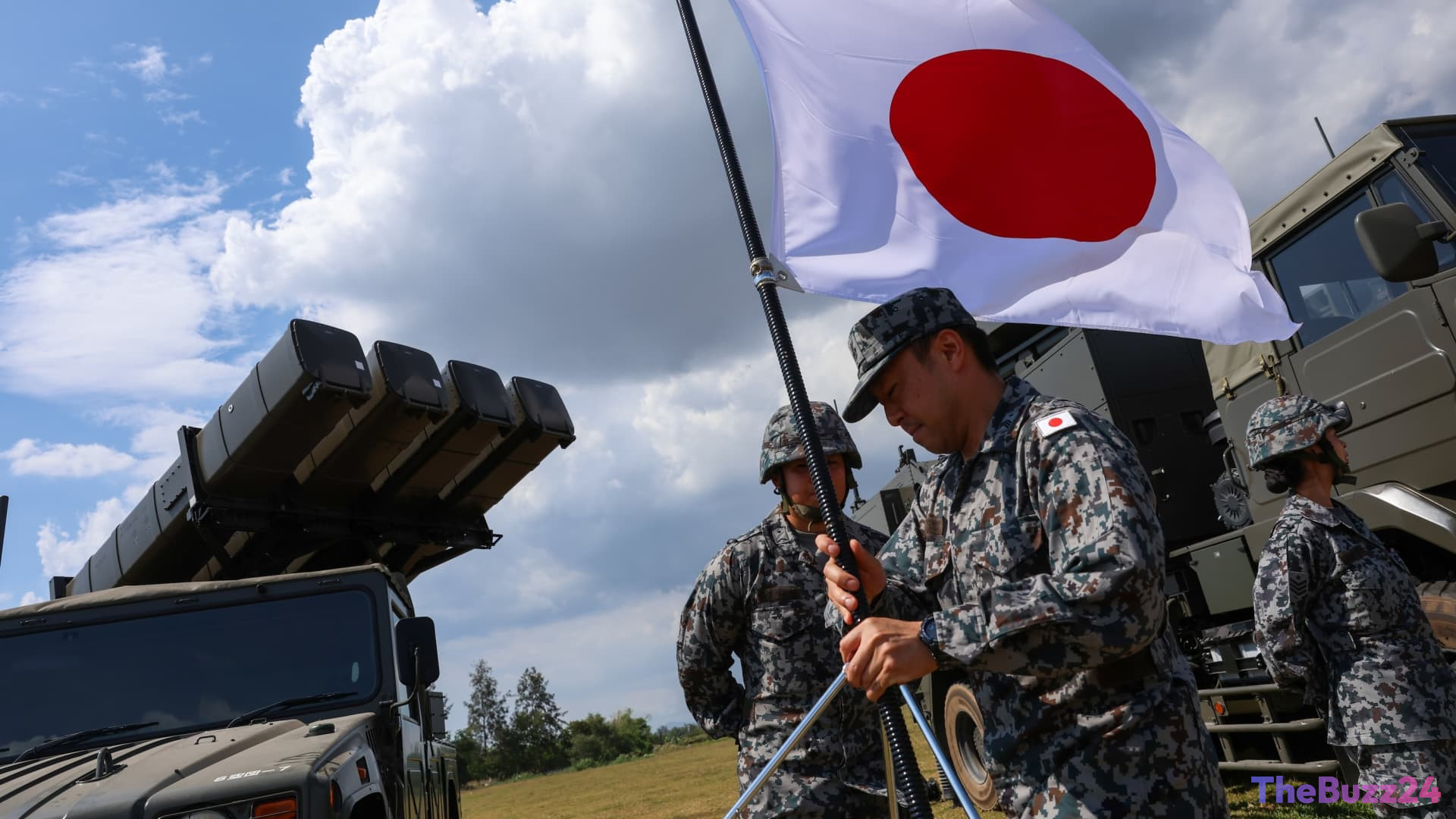
Japan Pivots Toward Global Defense Export Powerhouse
Japan is aggressively repositioning itself within the international defense market, marking a historic departure from its long-standing restrictions on arms exports. As global military spending reaches an unprecedented $2.89 trillion, the nation is moving to capitalize on the surging demand for advanced military hardware. This strategic pivot allows Japanese manufacturers to evolve from serving exclusively domestic needs to becoming essential suppliers for international allies, signaling a new era for the country’s industrial sector.
The initial phase of this export strategy centers on Japan’s technological strengths, particularly in naval architecture and sophisticated air defense systems. A cornerstone of this effort is the Global Combat Air Programme, a high-profile collaboration with Britain and Italy to develop next-generation fighter jets. Furthermore, Japanese firms are already gaining traction abroad; Mitsubishi Heavy Industries has secured a deal to provide frigate designs for Australia, while countries such as the Philippines, Indonesia, and New Zealand have expressed interest in Japan’s advanced patrol vessels.
Despite this momentum, the industry faces significant hurdles. Having operated for decades under a model focused solely on the domestic Self-Defense Forces, many Japanese companies lack the international marketing experience and cost-optimization frameworks common among global defense giants. Historically, these firms prioritized civilian production, where profit margins were more predictable. To succeed, Japanese manufacturers must now scale their production capacity to satisfy both domestic readiness requirements and the demands of the global market.
Looking forward, the long-term outlook for Japan’s defense industry remains robust. By enabling companies like Mitsubishi Heavy Industries, Kawasaki Heavy Industries, and Mitsubishi Electric to scale production during peacetime, the government aims to strengthen both its national security and its industrial base. As Japan deepens its integration into the global arms market, it is poised to become a central pillar in the Asian defense landscape, potentially altering the competitive dynamics of the global military-industrial complex.
Key Takeaways
- Japan has eased long-standing restrictions on arms exports to become a major player in the $2.89 trillion global defense market.
- The country is focusing on high-tech naval architecture and air defense, including participation in the Global Combat Air Programme.
- Japanese firms face challenges in scaling production and adapting to international marketing after decades of serving only domestic needs.
Editor’s Analysis & Impact
Japan’s entry into the global defense export market represents a significant geopolitical and economic shift. By transitioning from a domestic-only supplier to an international exporter, Japan is not only bolstering its own industrial base but also strengthening its strategic alliances in the Indo-Pacific region. The move is a direct response to the record-breaking global demand for military hardware, driven by heightened geopolitical tensions. While Japanese firms possess world-class engineering capabilities, their success will depend on their ability to transition from a ‘peacetime’ production mindset to a competitive, cost-efficient global model. If successful, this shift will likely disrupt the current hierarchy of the global defense industry, providing allies with a reliable, high-tech alternative to traditional Western suppliers and cementing Japan’s role as a key security guarantor in Asia.
Frequently Asked Questions
Q: Why is Japan changing its defense export policy now?
A: Japan is responding to record-high global military spending and a desire to strengthen its national security and industrial base by integrating more deeply with international allies.
Q: What are the primary challenges for Japanese defense firms?
A: The main challenges include a lack of experience in international marketing, the need to optimize costs for global competition, and the difficulty of scaling production capacity to meet both domestic and international demand.
AI Disclosure: This article is based on verified data and official reports. Our Team and AI have cross-referenced every financial detail with primary sources to ensure total accuracy.
More from this Category